
Written by Aisha Saleem, Pharmacist & Health Writer at PharmaHealths.com
Last Updated: July 11, 2026
Is Whole Wheat Atta Better Than Refined Flour for Diabetics?
Yes, whole wheat atta is generally the better choice for diabetics because it retains the bran and germ layers of the wheat kernel, giving it significantly more fiber that slows glucose absorption and helps prevent sharp blood sugar spikes. Refined flour, by contrast, has had those layers stripped away during milling, leaving mostly starch that digests rapidly and raises blood glucose more sharply.
I get this question a lot from patients trying to figure out what to do about roti, bread, and everyday cooking, so it’s worth breaking down exactly why this difference matters.
What’s the Difference Between Complex and Simple Carbohydrates?
Complex carbohydrates are made up of longer chains of sugar molecules that take the body more time and effort to break down, which leads to a slower, steadier rise in blood glucose. Simple carbohydrates, including refined starches and added sugars, are broken down quickly, so they tend to cause a faster and sharper glucose spike.
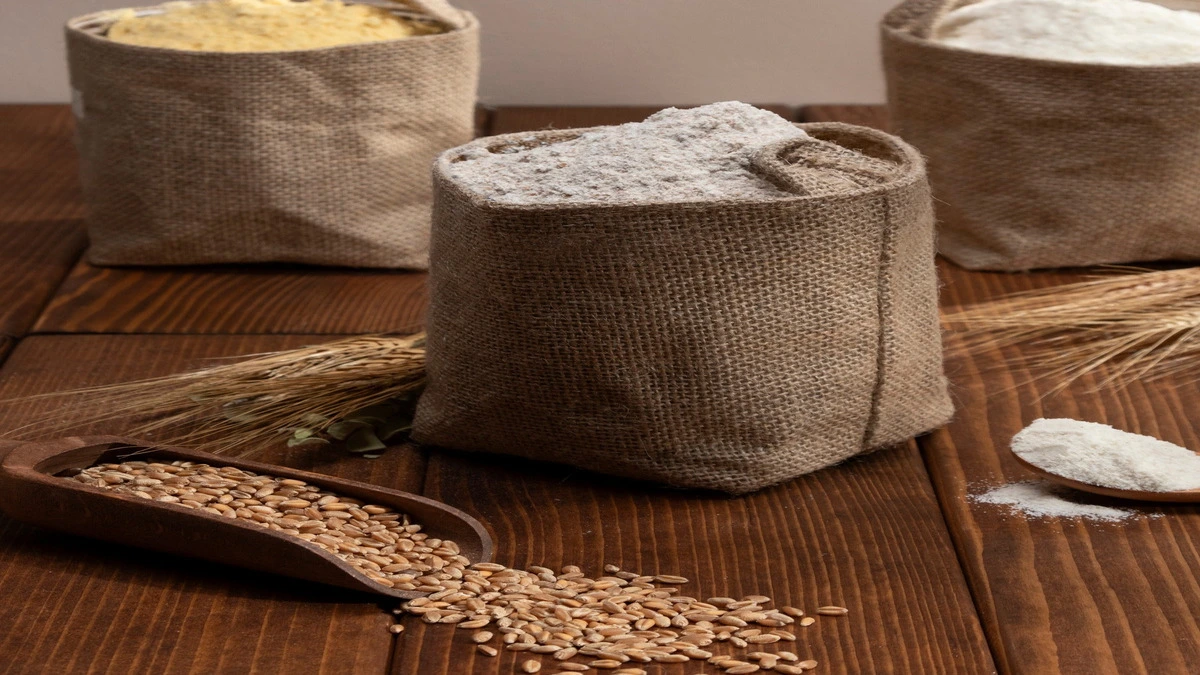
Whole wheat atta falls into the complex carbohydrate category because it still contains its fiber rich bran layer alongside the starchy endosperm. Refined flour, or Maida, has had the bran and germ removed, so what’s left behaves much more like a simple carbohydrate once eaten in foods like white bread, naan, or bakery items, even though it technically started out as a whole grain.
How Does Milling Change Wheat’s Effect on Blood Sugar?
Milling wheat into refined flour removes the bran and germ, which strips away most of the fiber, along with a good portion of the vitamins and minerals. What remains is mostly the starchy endosperm, which the body converts to glucose more rapidly, producing a higher glycemic response than whole wheat.
From a glycemic index (GI) perspective, whole wheat typically falls in the moderate range (~50–60), while refined flour products often fall in the higher range (~70–85), meaning faster glucose spikes after meals.
A prospective study published in the American Journal of Clinical Nutrition by Fung and colleagues followed a large cohort of men over more than a decade and found that higher whole grain intake was associated with a meaningfully lower risk of developing type 2 diabetes, while refined grain intake showed no such protective association. In simple terms, it’s not just wheat itself, but how it is processed that determines its metabolic impact.
Does Whole Wheat Actually Lower Diabetes Risk, or Just Slow Digestion?
Whole wheat appears to do both, slowing digestion in the short term and contributing to lower long term diabetes risk with regular intake. A systematic review and dose response meta-analysis published in the European Journal of Epidemiology by Aune and colleagues found that higher whole grain consumption was associated with a reduced risk of type 2 diabetes, while higher refined grain consumption showed the opposite pattern, with each additional serving linked to a small increase in risk.
This lines up with what I see clinically. Patients who swap refined flour products for whole wheat versions consistently report steadier energy levels and fewer post meal glucose spikes on their monitors, even before other dietary changes are made.
What About Maida, Multigrain Atta, and Other Alternatives?
Multigrain atta and other alternative flours vary widely in their diabetes friendliness depending on how much of the grain’s fiber and bran content is preserved. A blend labeled “multigrain” can still be mostly refined flour with a small amount of whole grain added, so the label alone doesn’t guarantee a lower glycemic impact.
I’d recommend checking the ingredient list rather than trusting packaging claims. If refined wheat flour is the first ingredient, with only small additions of millet, ragi, or bran further down the list, the overall glycemic effect will be closer to refined flour than to true whole wheat. In short, “multigrain” does not automatically mean “diabetes friendly.”
Alternative flours like ragi (finger millet), jowar (sorghum), and besan (chickpea flour) can also work well in a diabetic diet, often with an even lower glycemic index than standard whole wheat.
How Many Rotis or How Much Bread Can a Diabetic Eat Per Day?
There’s no single fixed number that applies to everyone, since portion tolerance depends on your overall carbohydrate targets, activity level, and any medication you’re taking. As a general starting point, I usually suggest two to three medium whole wheat rotis per meal for most adults with diabetes, paired with vegetables and protein to further slow the glucose response, then adjusting based on individual blood sugar readings.
A practical tip
Avoid eating roti alone, pair it with protein (like dal, eggs, or chicken) and fiber rich vegetables to reduce post meal glucose spikes.
Bringing It Together
Choosing whole wheat atta over refined flour is one of the simplest, most sustainable changes I recommend for better blood sugar control, and the long-term evidence supports it clearly. Focus not just on the type of flour, but also on portion size, meal composition, and consistent glucose monitoring for best results.
FAQs
Q1: What types of flour should diabetics avoid?
Diabetics should generally limit refined flours like white flour, all-purpose flour, and rice flour, since these are lower in fiber and tend to raise blood sugar more quickly than whole grain alternatives.
Q2: Is whole wheat bread more likely to raise blood sugar than white or multigrain bread?
No, Whole wheat bread typically has a lower glycemic impact than white bread because of its higher fiber content, though genuine multigrain bread made mostly from whole grains can perform similarly well.
Q3: Is multigrain atta suitable for people with diabetes?
It depends on the ingredient list. If refined wheat flour is the main component with only small amounts of other grains added, it won’t offer much advantage over regular refined flour.
Q4: What’s the difference between complex and simple carbohydrates for diabetics?
Complex carbohydrates, like those in whole wheat, break down slowly and cause a gradual rise in blood sugar, while simple carbohydrates, like those in refined flour, break down quickly and can cause sharper glucose spikes.
Q5: How many rotis can a diabetic eat per day?
Most adults with diabetes can manage two to three medium whole wheat rotis per meal as a starting point, though the right amount depends on individual carbohydrate targets and should be adjusted based on blood sugar monitoring.
Q6: Is wheat bread recommended for people with diabetes?
Yes, whole wheat bread can be part of a balanced diabetic diet due to its higher fiber content compared to white bread, though portion size should still be guided by individual blood sugar goals.
Call to Action
If you’re looking to build a broader high fiber approach to blood sugar management, I’ve put together a complete guide on the Best High Fiber Foods for Diabetes, along with articles on chickpeas, lentils, and kidney beans (rajma) for diabetes management. If you’re curious how far this goes, I’ve also written about combining flours in my guide to mixed flour atta blends, and about oats as another complex carbohydrate option.
Disclaimer
This article is for educational purposes only and does not replace professional medical advice. Always consult your physician or a registered dietitian before making significant dietary changes, especially if you take medication for diabetes.
References
• American Journal of Clinical Nutrition — Fung et al., Whole-Grain Intake and the Risk of Type 2 Diabetes: A Prospective Study in Men
• European Journal of Epidemiology — Aune et al., Whole Grain and Refined Grain Consumption and the Risk of Type 2 Diabetes: A Systematic Review and Dose-Response Meta-Analysis of Cohort Studies