
Written by Aisha Saleem, Pharmacist & Health Writer at PharmaHealths.com
Last Updated: July 4, 2026
Do Lentils Help Control Blood Sugar?
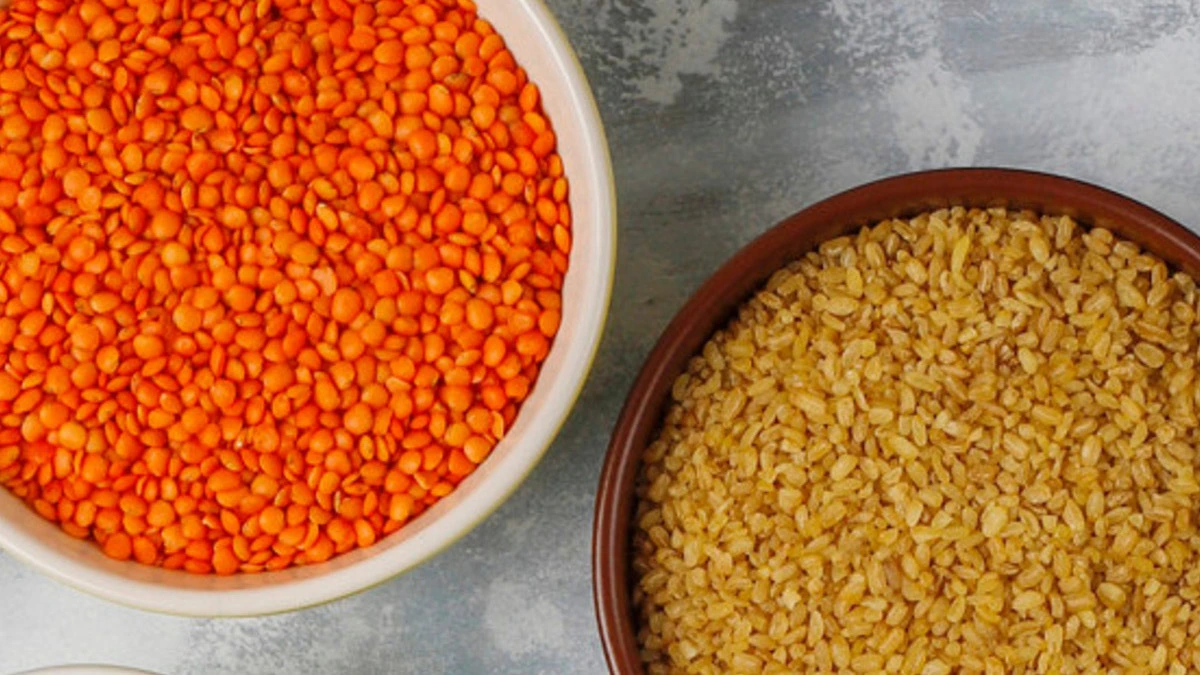
Yes, lentils genuinely help control blood sugar because they combine a low glycemic index with high fiber and protein content, which slows digestion and softens the glucose spike you’d otherwise get from a carbohydrate heavy meal. Masoor dal (red lentils) and moong dal (yellow lentils) are two of the most commonly used varieties in South Asian cooking, and both fit comfortably into a diabetes friendly diet.
I get asked about lentils often, partly because they’re a daily staple in so many households, and partly because people worry that anything carbohydrate based might be working against them. The evidence is more reassuring than most people expect.
What Is the Glycemic Index of Lentils?
Lentils have a glycemic index that typically falls between 21 and 38, which places them firmly in the low GI category. This means they raise blood glucose gradually rather than causing the sharp spike you’d see with white rice or refined flour.
A review published in Nutrients by Clarke and colleagues looked specifically at how lentil serving size affects post meal blood glucose response and found that a cooked serving of around 100 to 120 grams was enough to meaningfully reduce the blood glucose rise compared to starchy control foods. The researchers linked this effect to the protein and fiber content of the lentils rather than the carbohydrate content alone, which fits with what I generally advise patients: it’s the whole package of nutrients in lentils, not just one component, that makes them useful for blood sugar management.
How Do Lentils Actually Lower Blood Sugar Spikes?
Lentils lower blood sugar spikes mainly through their fiber and protein content, which slow gastric emptying and the rate at which glucose enters the bloodstream. The complex carbohydrates in lentils are digested more slowly than refined starches, so glucose is released steadily instead of all at once.
A randomized controlled trial published in Archives of Internal Medicine by Jenkins and colleagues found that replacing part of a diet’s carbohydrate content with legumes, including lentils, as part of a low glycemic index eating pattern improved glycemic control and reduced estimated cardiovascular risk in people with type 2 diabetes. This is one of the stronger pieces of clinical evidence behind recommending legumes generally for blood sugar management.
In clinical practice, I often see post meal glucose readings improve within one to two weeks when refined carbohydrates are partially replaced with lentils.
Are Masoor Dal and Moong Dal Equally Good for Diabetes?
Both masoor dal and moong dal are good choices for diabetes, since they share a similar low glycemic index and fiber profile, though masoor dal tends to cook down softer and moong dal is often easier to digest. In practice, I don’t see a strong reason to favor one over the other purely for blood sugar control. What matters more is portion size and what you’re pairing them with.
If you’re eating dal with white rice, for example, I’d suggest keeping the rice portion modest and adding a vegetable side, since rice on its own has a much higher glycemic index and can offset some of the benefit lentils bring to the meal.
How Much Dal Should a Diabetic Eat Per Day?
Most adults with diabetes can comfortably include one to one and a half cups of cooked lentils per day as part of a balanced diet, though this depends on overall carbohydrate targets and any medication you’re on. I usually suggest spreading this across two meals rather than eating it all in one sitting, both for digestive comfort and to keep the glucose response steady throughout the day.
Can Eating Too Much Dal Cause Problems?
Eating very large amounts of lentils in one sitting can cause bloating, gas, or digestive discomfort, particularly if your gut isn’t used to that much fiber. This isn’t dangerous, but it’s worth easing into a higher-fiber diet gradually and drinking enough water alongside it.
If you’re on medication that affects blood sugar, a sudden large increase in dal intake could occasionally tip your glucose lower than expected, so it’s worth monitoring your levels as you make changes and discussing anything significant with your doctor or pharmacist.
Do Lentils Interact with Diabetes Medication?
Lentils don’t have a known direct interaction with common diabetes medications, but improved blood sugar control from a higher-fiber diet can sometimes mean your current medication dose needs reviewing. This is worth flagging to your prescriber rather than adjusting doses on your own, especially if you notice your readings trending consistently lower after adding more lentils to your meals.
Best Ways to Eat Dal for Blood Sugar Control
If you want to get the most benefit from lentils, a few small adjustments can make a noticeable difference,
• Pair dal with non-starchy vegetables such as spinach, okra, or gourds to further slow glucose absorption
• Keep rice or roti portions controlled rather than eliminating them completely
• Add a small amount of healthy fat like olive oil or desi ghee to improve satiety
• Avoid extremely overcooking lentils, as texture changes can slightly affect how quickly they are digested
Who Should Be a Little Careful?
While lentils are safe for most people, a few groups may need to individualize their intake,
• People with chronic kidney disease, due to potassium and phosphorus considerations
• Those with sensitive digestion or IBS, as lentils can trigger bloating in some individuals
• Individuals taking insulin or sulfonylureas, who should monitor for lower-than-expected glucose readings when increasing fiber intake
Bringing It Together
Lentils, whether masoor or moong, are one of the most practical and affordable additions I recommend for blood sugar control, and the evidence behind them continues to hold up well. Building meals around a modest portion of dal alongside vegetables and controlled starch is a simple, sustainable pattern that fits naturally into South Asian cooking.
FAQs
Q1: Can eating lentils cause blood sugar to increase?
Lentils do contain carbohydrates and will raise blood sugar to some degree, but their low glycemic index and high fiber content mean the rise is gradual rather than a sharp spike, which is why they’re generally recommended over refined carbohydrates.
Q2: Are beans and lentils safe for diabetics despite their carbohydrate content?
Yes. The carbohydrate in lentils is offset by their fiber and protein content, which slows absorption, and clinical research supports their inclusion as part of a diabetes-friendly diet.
Q3: Is it safe for diabetics to eat rice with dal?
Yes, in moderation. Dal brings fiber and protein to the meal, which helps offset some of the glucose impact from rice, but portion size on the rice side still matters.
Q4: What is the glycemic index of masoor dal and moong dal?
Both fall in the low glycemic index range, generally between 21 and 38, making them suitable choices for blood sugar management.
Q5: How much dal can a diabetic eat per day?
Most people with diabetes can include one to one and a half cups of cooked lentils daily, spread across meals, though individual targets vary based on overall diet and medication.
Q6: Do lentils interact with diabetes medication?
There’s no known direct interaction, but improved blood sugar control from higher fiber intake can affect medication needs over time, so it’s worth discussing any significant dietary change with your doctor or pharmacist.
Call to Action
If you’re building a broader high-fiber approach to blood sugar control, I’ve put together a complete guide on the Best High-Fiber Foods for Diabetes, and my article on chickpeas covers another legume worth comparing against lentils. You might also find my guides on kidney beans (rajma), whole wheat versus refined flour, oats, and mixed flour atta blends useful for building out a complete blood sugar-friendly diet.
Disclaimer
This article is for educational purposes only and does not replace professional medical advice. Always consult your physician or a registered dietitian before making significant dietary changes, especially if you take medication for diabetes or have kidney disease.
References
• Archives of Internal Medicine, Jenkins et al., Effect of Legumes as Part of a Low Glycemic Index Diet on Glycemic Control and Cardiovascular Risk Factors in Type 2 Diabetes Mellitus
• Nutrients, Clarke et al., A Review of the Relationship between Lentil Serving and Acute Postprandial Blood Glucose Response: Effects of Dietary Fibre, Protein and Carbohydrates