
Written by Aisha Saleem, Pharmacist & Health Writer at PharmaHealths.com
Last updated: August 29, 2026
Most lists of resistant starch foods stop at five or six items: rice, potatoes, oats, green bananas, beans. The real picture is wider than that, and understanding why a food is resistant, not just that it is, changes how you actually use this in your meals.
What is resistant starch again?
Resistant starch is the portion of a starchy food that skips digestion in your small intestine and travels to your colon instead, where gut bacteria ferment it into short chain fatty acids like butyrate. Because it bypasses the small intestine, it doesn’t convert into a fast rise in blood glucose the way ordinary starch does, and it behaves more like fiber once it reaches your colon.
What are the different types of resistant starch?
There are five recognized types, and knowing which one a food contains explains why cooking changes its effect. A 2024 classification review in the Journal of Diabetes Investigation lays them out clearly,
• RS1, physically inaccessible starch: trapped inside intact plant structures, found in whole or partly milled grains and seeds. Cooking and milling break this barrier down, so RS1 mostly matters in its raw or minimally processed form.
• RS2, raw granular starch: native, ungelatinized starch granules that resist enzymes because of their dense structure. Raw potato starch, green banana starch, and high-amylose maize starch are the main examples. Cooking largely destroys RS2, which is why a ripe cooked banana behaves differently from a raw green one.
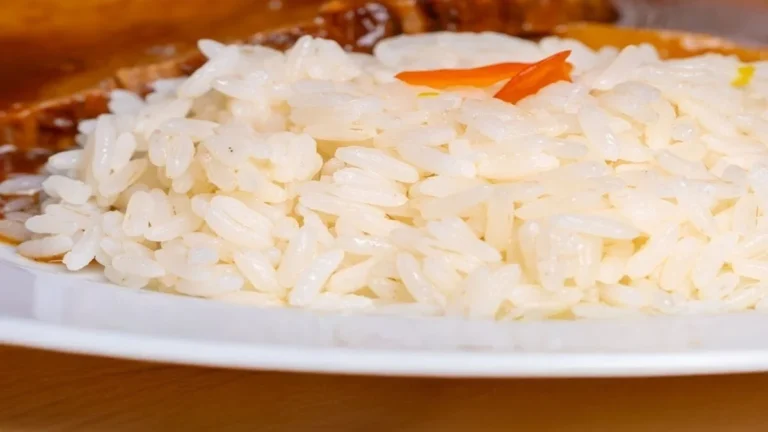
• RS3, retrograded starch: this is the type formed by cooking and then cooling, in foods like rice, pasta, potatoes and cornflakes. It’s the most practically useful type for everyday meals since it doesn’t require eating anything raw.
• RS4, chemically modified starch: industrially altered starch used in some fortified breads and processed foods, engineered to resist digestion.
• RS5, amylose lipid complexes: forms when starch is cooked in the presence of fat, such as rice cooked with oil, though this is a newer and less. Studied category.
Which whole foods are naturally highest in resistant starch?
Legumes rank among the richest natural sources. A food analysis study from Lund University’s Department of Applied Nutrition and Food Chemistry measured resistant starch across a range of common starchy foods and found legumes had the highest concentration of any group tested, at 9.5 to 11.1% of total starch content, compared with 2% for plain boiled potatoes. Beyond legumes, the main naturally high.RS foods are:
• Green bananas and plantains (RS2), which drops sharply as the fruit ripens and its starch converts to sugar
• Lentils, chickpeas, kidney beans, black beans and peas (RS1 and RS2), largely retained even after normal cooking
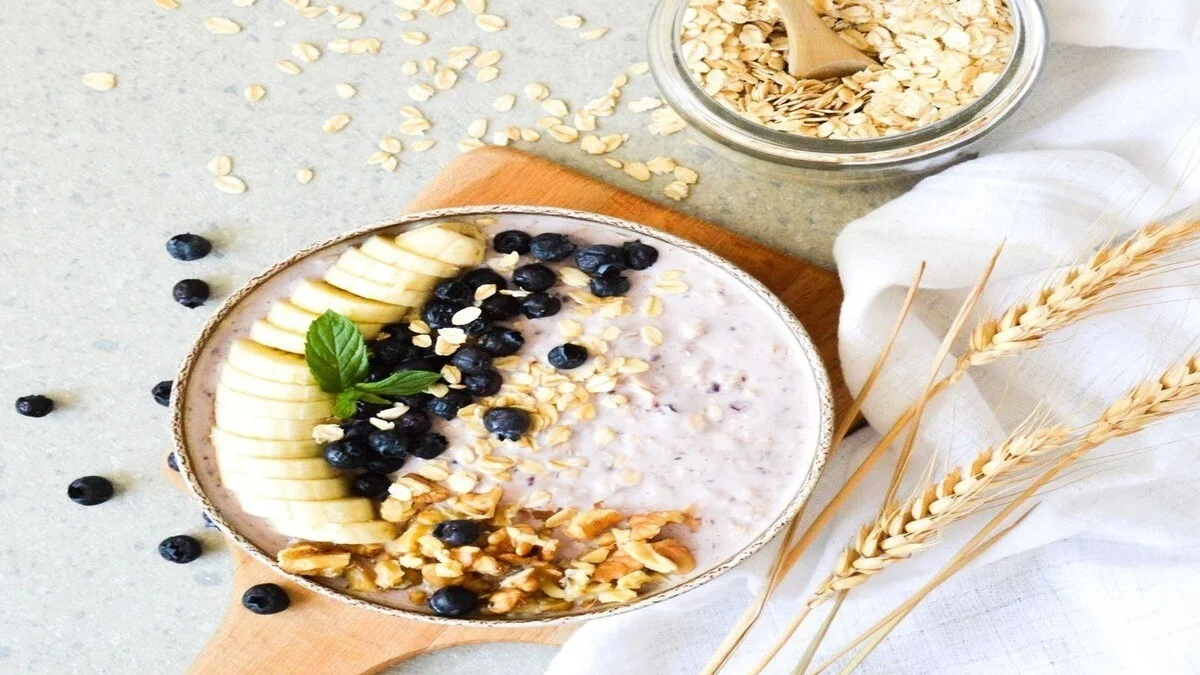
• Raw oats (RS2), most of which is lost once the oats are fully cooked, so overnight oats made with uncooked oats retain more than a bowl of hot porridge
• Barley and sorghum, grains that the same Lund University analysis found among the higher-RS cereal products, particularly in less processed forms like barley flakes
Which cooked foods gain resistant starch through cooling?
This is the RS3 category, and it’s the one that turns everyday staples into a resistant starch source without changing what you’re eating. Rice, pasta, potatoes and bread all measurably increase their resistant starch content when cooked, cooled for several hours to overnight, and then eaten cold or reheated. The Lund University analysis found commercially processed potato products reached 4.8 to 5.9% resistant starch, nearly three times the 2% level of a freshly boiled potato, and breads containing intact rye grains reached 4.5 to 6.0%. Reheating afterwards doesn’t reverse most of this gain, which is why the effect holds up even in a warm meal.
Are people actually getting enough resistant starch from their normal diet?
Most people’s intake depends heavily on how staple foods are prepared rather than on any single “resistant starch food.” A 2022 analysis of over 42,000 US adults in Frontiers in Nutrition, using national health survey data, found that higher resistant starch intake was linked to lower cancer and all-cause mortality, though it didn’t reach statistical significance for cardiovascular mortality specifically. Separately, the Lund University food analysis identified bread and potato products as the two largest everyday sources of resistant starch, which means the biggest lever most people have isn’t adding an exotic ingredient, it’s changing how their existing bread and potatoes are prepared and cooled.
How do you actually increase resistant starch in your meals?
Three changes make the biggest practical difference, and none of them require special products.
• Cook, cool, then eat or reheat. Cooking rice, pasta or potatoes a day ahead and refrigerating them overnight before serving is the single most reliable way to raise their resistant starch content, based on the retrogradation research covered above.
• Choose the less-processed version. Whole grains over refined flour, and intact legumes over pureed or heavily processed forms, keep more of their natural RS1 and RS2 content intact.
• Add a legume or a portion of raw oats regularly. Since legumes measured highest of any food group in the Lund University analysis, and raw oats lose much of their resistant starch once fully cooked, these are two of the easiest additions to a normal week of meals.
What are the actual health benefits of resistant starch?
The three most consistently supported benefits are gut health, blood sugar control, and improved insulin sensitivity. Because resistant starch ferments in the colon rather than digesting in the small intestine, it feeds beneficial gut bacteria and increases production of short chain fatty acids such as butyrate, which supports the cells lining the colon. On the metabolic side, the same slow, colon-based route is what blunts the post-meal glucose spike you’d otherwise get from the same starchy food, and a meta-analysis in Frontiers in Nutrition found this translated into improved insulin sensitivity in people with type 2 diabetes and prediabetes across 36 randomized trials.
Conclusion
The widest and most reliable resistant starch sources are legumes, raw oats, green bananas, and any cooked starch that’s been cooled before eating. For most people, the biggest gain doesn’t come from a single new food, it comes from changing how the bread, rice and potatoes already in their diet are prepared.
Disclaimer
This article is for general educational purposes and isn’t a substitute for personalized medical or dietary advice. Speak with your doctor or a registered dietitian before making significant changes to your diet, especially if you take glucose-lowering medication.
References
• Classification of types of resistant starch (RS). Journal of Diabetes Investigation, 2024. https://pmc.ncbi.nlm.nih.gov/articles/PMC10981144/
• Elmståhl HL. Resistant starch content in a selection of starchy foods on the Swedish market. Department of Applied Nutrition and Food Chemistry, Lund University, 2002 (via FAO AGRIS). https://agris.fao.org/search/fr/records/65dfc6eb63b8185d9caeca59
• Wan J, et al. The association of dietary resistant starch intake with all-cause and cause-specific mortality. Frontiers in Nutrition, 2022. https://www.frontiersin.org/journals/nutrition/articles/10.3389/fnut.2022.1004667
• Pugh JE, et al. A comparison of the effects of resistant starch types on glycemic response in individuals with type 2 diabetes or prediabetes: a systematic review and meta-analysis. Frontiers in Nutrition, 2023. https://www.frontiersin.org/journals/nutrition/articles/10.3389/fnut.2023.1118229