
Written by Aisha Saleem, Pharmacist & Health Writer at PharmaHealths.com
Last Updated: July 6, 2026
Can Chickpeas Help Manage Diabetes?
Yes, chickpeas can genuinely support diabetes management because they combine a low glycemic index with high fiber and protein content, helping slow glucose absorption and reduce post meal blood sugar spikes more effectively. They’re one of the most practical, inexpensive additions I recommend to patients trying to improve and stabilize their blood sugar levels through diet.
A busy, stressed lifestyle has become one of the biggest drivers of chronic disease today, and hyperglycemia, or high blood sugar, is among the most common conditions I see affecting quality of life. Lifestyle and dietary changes remain central to managing it, and this is where a fiber rich food like the chickpea (kabuli chana) naturally earns its place as a reliable everyday staple.
What’s the Difference Between Hyperglycemia and Diabetes?
Hyperglycemia simply means high blood sugar, which can be temporary and caused by illness, stress, or another underlying issue. Diabetes mellitus, by contrast, is a chronic condition marked by persistent hyperglycemia due to insufficient insulin production or the body’s inability to use insulin effectively.
Type 1 diabetes develops when the pancreatic beta cells are damaged, usually through an autoimmune process, and results in little or no insulin production. Type 2 diabetes develops when the body’s cells become resistant to insulin, so glucose can’t be used efficiently even when insulin is available.
What Causes Insulin Resistance?
Insulin resistance is usually driven by a combination of lifestyle and health factors rather than a single cause. The most common contributors I see in practice include a sedentary lifestyle, chronic stress, smoking, fatty liver disease or obesity, an unhealthy diet, and limited physical activity.
Left uncontrolled, persistent hyperglycemia can lead to cardiovascular disease, kidney damage, nerve damage, eye complications, foot ulcers, and even cognitive decline over time. This is exactly why dietary tools like fiber matter so much in long term management.
Why Are Chickpeas a Good Choice for Diabetic Diets?
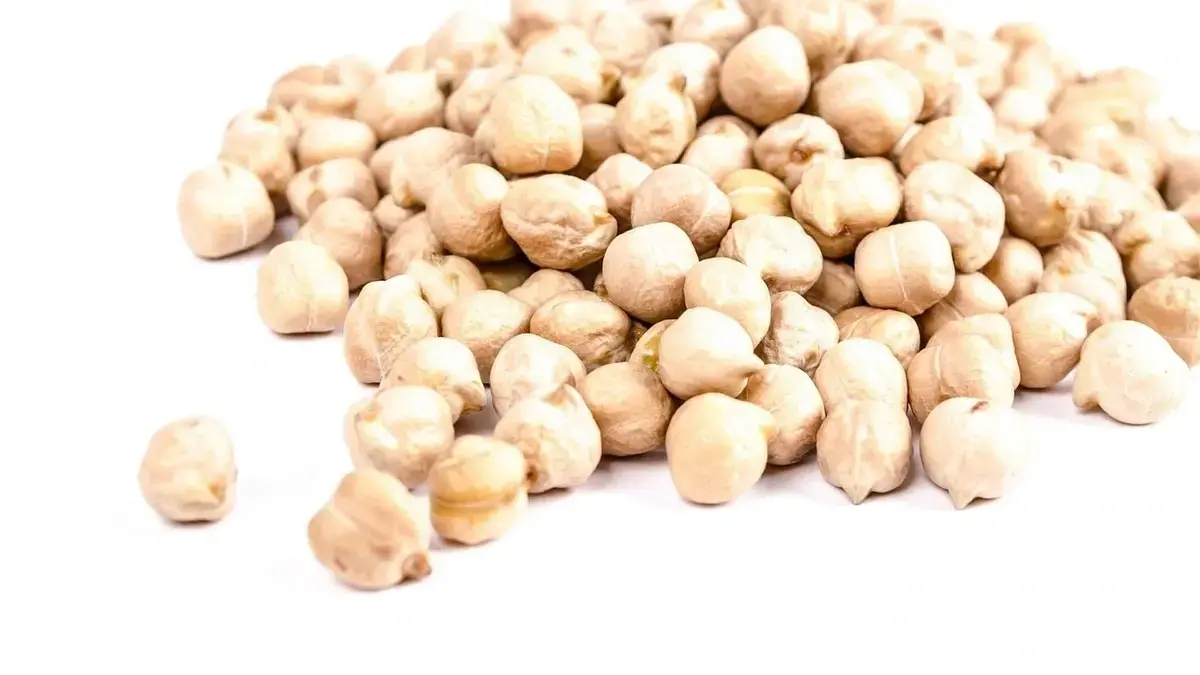
Chickpeas are an inexpensive, nutrient-dense legume that fits naturally into a high fiber diabetic diet alongside vegetables, fruits, seeds, and whole grains. One cup (164g) of cooked chickpeas provides roughly 269 calories, 14.5g of protein, 12.5g of fiber, and meaningful amounts of manganese, folate, copper, iron, and magnesium.
In my own practice, I’ve seen this play out clinically. One close relative brought a blood sugar reading of around 300 mg/dL down to 180 mg/dL after adding boiled chickpeas to lunch daily for two weeks. Another patient, newly diagnosed with diabetes, was able to significantly stabilize her glucose levels alongside broader dietary and lifestyle improvements, eventually allowing her physician to discontinue medication after building her lunches around chickpea chaat with cucumber, mint, coriander, cabbage, onion, tomato, and plain yogurt. These are individual observations rather than clinical trial data, but they reflect a pattern I see often with consistent dietary change.
How Do Chickpeas Help Control Blood Sugar?
Chickpeas help control blood sugar mainly through their low glycemic index, which typically sits between 28 and 36, combined with their fiber and protein content, which together slow digestion and prevent sharp glucose spikes. A randomized controlled trial published in Archives of Internal Medicine by Jenkins and colleagues found that increasing legume intake, including chickpeas, as part of a low glycemic index diet improved glycemic control and reduced estimated cardiovascular risk in people with type 2 diabetes.
More recent evidence backs this up at a more detailed level. A systematic review and meta-analysis published in Nutrients by Nam and colleagues found that chickpeas were more effective at reducing post meal blood glucose than foods like potatoes and wheat, pointing to their low starch digestibility and high fiber and protein content as the likely mechanisms. A separate meta-analysis published in Nutrition Journal by Mah and colleagues confirmed this effect specifically for postprandial glucose, finding that chickpea consumption significantly reduced the blood glucose response compared with carbohydrate matched controls across 28 controlled trials. Chickpeas also appear to produce a second meal effect, meaning that eating them at one meal can help moderate the blood sugar response at the next meal as well.
The soluble fiber in chickpeas also forms a gel like substance in the gut that slows digestion further and feeds beneficial gut bacteria. A review published in the British Journal of Nutrition by Jukanti and colleagues documented chickpeas’ broader nutritional profile, noting their potential benefits for cardiovascular health, type 2 diabetes, and digestive health when included as part of a balanced diet.
Can Chickpeas Help with Diabetes Complications?
Chickpeas may help reduce the risk of some diabetes related complications through their magnesium, potassium, and soluble fiber content. Magnesium and potassium support healthy blood pressure regulation, while soluble fiber helps lower LDL cholesterol, and together these effects support heart health, one of the most serious long-term risks of poorly controlled diabetes.
Better blood sugar stability can also ease the frequent urination that often comes with elevated glucose, since lowering the filtration burden on the kidneys may gradually help reduce this symptom over time.
Do You Need Extra Water When Eating Chickpeas?
Yes, adequate hydration is important when increasing chickpea and fiber intake, because the fiber needs water to form its gel-like structure and support regular bowel movements. Without enough water, the complex carbohydrates in chickpeas can cause bloating or gas, so I always advise patients to increase their water intake alongside any high fiber dietary change.
Bringing It Together
Chickpeas are an accessible, budget-friendly food that I recommend often for patients working on blood sugar control, and the evidence behind them has only gotten stronger in recent years. In Pakistan and across South Asia, many people already rely on them as a diabetes friendly staple, and growing clinical research now backs up what that tradition has long suggested. Starting with small portions and combining chickpeas with vegetables and balanced meals can make them even more effective for long term glucose control.
FAQS
Q1: Can chickpeas lower blood sugar naturally?
Yes, Chickpeas have a low glycemic index and are rich in soluble fiber and protein, which slow glucose absorption and help prevent sharp blood sugar spikes.
Q2: How many chickpeas should a diabetic eat per day?
About half to one cup (75 to 150 grams) of cooked chickpeas per day is generally considered safe and effective for most people with diabetes, depending on overall calorie needs and diet.
Q3: Is chickpea flour (besan) also good for diabetes?
Yes, Chickpea flour shares the same fiber, protein, and micronutrient profile as whole chickpeas and works well as a substitute for refined flour in diabetic-friendly cooking.
Q4: Are chickpeas bad for diabetics?
No, quite the opposite. Chickpeas are considered one of the more diabetes friendly legumes available, thanks to their low glycemic index and high fiber and protein content.
Q5: Can chickpeas replace diabetes medication?
No, Chickpeas can support better blood sugar control, but they should never replace prescribed medication without medical supervision. Always talk to your doctor before changing your treatment plan.
Q6: Do chickpeas cause gas or bloating?
Sometimes. The complex carbohydrates in chickpeas can ferment in the gut, so soaking them before cooking, introducing them gradually, and staying well hydrated all help minimize discomfort.
Call to Action
If you’re building out a broader high-fiber diet for blood sugar control, I’ve put together a complete guide on the Best High-Fiber Foods for Diabetes. You might also find it useful to compare chickpeas with other legumes in my articles on lentils and kidney beans (rajma), or explore whole wheat versus refined flour, oats, and mixed flour atta blends for more ways to manage blood sugar through diet. You can also explore more of our Metabolic Health content on https://pharmahealths.com/
Disclaimer
This article is for educational purposes only and does not replace professional medical advice. Always consult your physician or a registered dietitian before making dietary changes, especially if you have diabetes, kidney disease, or gastrointestinal conditions. The case examples mentioned are observational and not part of a clinical trial.
References
• Archives of Internal Medicine — Jenkins et al., Effect of Legumes as Part of a Low Glycemic Index Diet on Glycemic Control and Cardiovascular Risk Factors in Type 2 Diabetes Mellitus
• British Journal of Nutrition — Jukanti et al., Nutritional Quality and Health Benefits of Chickpea (Cicer arietinum L.): A Review
• Nutrients — Nam et al., Effectiveness of Chickpeas on Blood Sugar: A Systematic Review and Meta-Analysis of Randomized Controlled Trials
• Nutrition Journal — Mah et al., Chickpea Attenuates Postprandial Blood Glucose Responses: A Systematic Review and Meta-Analysis