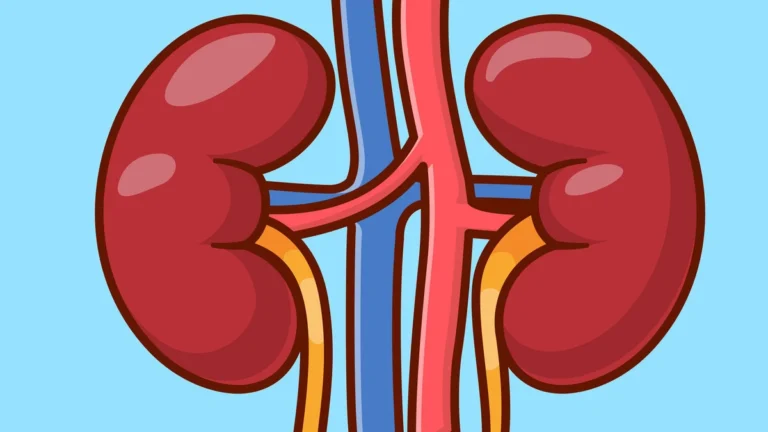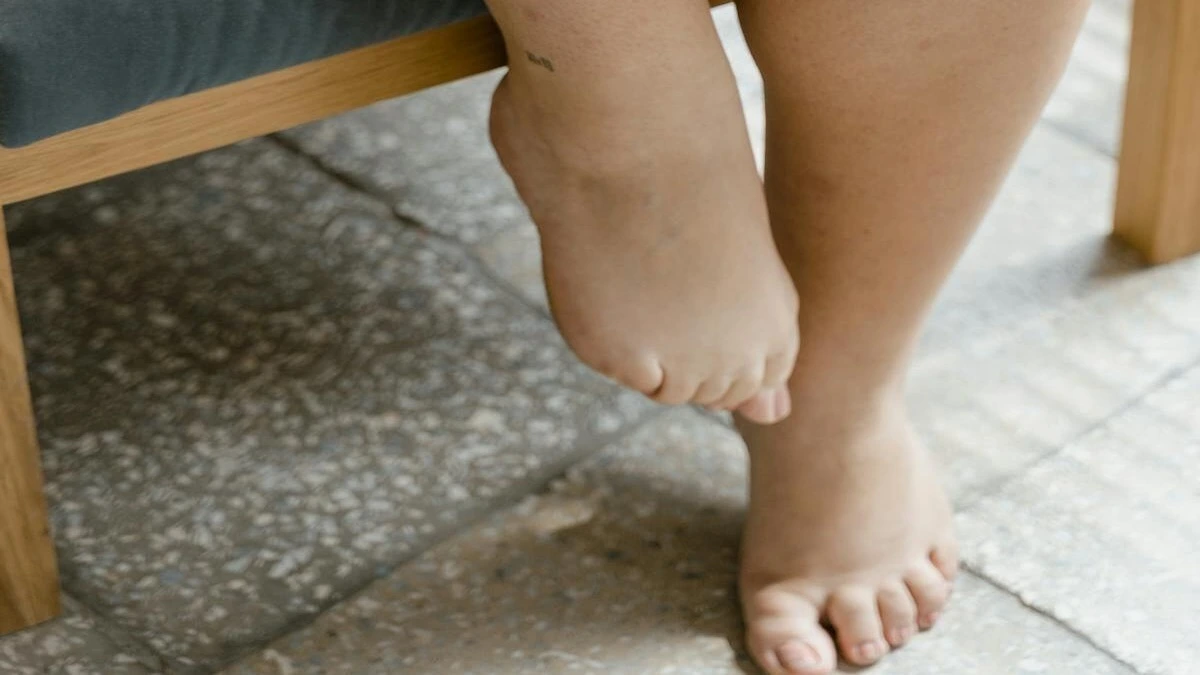

Swollen feet and ankles. It’s one of those symptoms that sends most people, and honestly, a lot of healthcare professionals, straight down the cardiac or kidney pathway. And yes, heart failure and chronic kidney disease are important causes that absolutely need to be ruled out. But here’s something I want you to think about: what if your heart is fine, your kidneys are fine, and your feet are still puffy by the end of the day?
There’s a possibility that doesn’t get nearly enough airtime in these conversations, and that’s blood sugar. Specifically, persistently elevated glucose, the kind you see in prediabetes and undiagnosed type 2 diabetes, can absolutely cause fluid to accumulate in your feet and lower legs. It’s not rare. It’s just frequently overlooked in routine assessment.
The Blood Sugar and Swelling Connection Nobody Talks About
When glucose stays elevated in the bloodstream for extended periods, it sets off a chain of physiological events that directly affect how your body manages fluid. Let me walk you through what’s actually happening.
First, there’s the osmotic effect. Glucose is osmotically active, in plain terms, it pulls water toward it. When blood glucose is chronically high, it draws excess fluid out of cells and into surrounding tissue spaces. That fluid has to go somewhere, and because of gravity, it tends to pool in the lowest points of your body: your feet, ankles, and lower legs.
Second, and this is where it gets a bit more layered, chronic hyperglycemia damages the tiny blood vessels that line your capillary walls. A landmark review published in Diabetes Care confirmed that even pre diabetic glucose levels are sufficient to initiate microvascular injury, increasing capillary permeability. When those walls become leaky, plasma fluid escapes into the surrounding interstitial tissue, contributing directly to oedema. This is one of the earliest structural changes, and it often develops silently.
Third, there’s peripheral neuropathy to consider. Most people associate diabetic neuropathy with numbness or tingling, but autonomic neuropathy, damage to the nerves that regulate blood vessel tone, is just as significant. When these fibers are impaired, the blood vessels in your lower limbs lose their ability to constrict properly. Blood pools. Pressure increases. Fluid leaks out. This vascular dysregulation can begin even before diabetes is formally diagnosed.
Prediabetes (The Silent Stage Where Damage Has Already Begun)
This is the part I feel most strongly about communicating clearly, because the evidence is unambiguous: tissue damage in diabetes doesn’t start at diagnosis. It starts earlier, sometimes years earlier, during the prediabetic phase.
Prediabetes is defined as a fasting blood glucose of 6.1–6.9 mmol/L (or an HbA1c of 42–47 mmol/mol). At this stage, blood sugar isn’t high enough to meet the diagnostic threshold for diabetes, but it’s high enough to be causing real physiological harm. Research published in The Lancet has shown that microvascular changes are detectable even in people with impaired fasting glucose, not just established diabetes.
So, if you’re in that grey zone, maybe you’ve been told you’re “Borderline” or to “watch your diet“, and you’re also experiencing unexplained ankle swelling? Those two findings may be clinically linked, not coincidental.
How to Tell if Your Swelling Might Be Blood Sugar Related
Obviously, you should always get cardiac and renal causes properly assessed, I’m not suggesting you skip that step. But consider whether any of these features also apply,
The swelling tends to be bilateral and worse at the end of the day, particularly after prolonged sitting or standing. It may feel soft and pitting, meaning if you press your thumb into your ankle, it leaves an indentation. You might also notice it improves somewhat overnight after lying down, only to return as the day goes on.
Alongside the swelling, look for patterns that suggest dysglycaemia: persistent fatigue that doesn’t improve with sleep, increased thirst or urination, brain fog, unexplained weight gain around the abdomen, or darkened, thickened skin at the neck or armpits, a sign called acanthosis nigricans, which is closely associated with insulin resistance.
A family history of type 2 diabetes, being over 40, South Asian or Black African/Caribbean ethnicity, and a BMI over 25 are all recognized risk factors under NHS guidelines that should heighten clinical suspicion. In higher risk populations, even subtle symptoms deserve closer evaluation.
What the Research Tells Us
A 2019 study published in Diabetes & Metabolic Syndrome, Clinical Research & Reviews highlighted peripheral oedema as an underrecognized early manifestation of dysglycaemia, particularly in patients with no prior cardiac or hepatic diagnosis. The authors noted that clinicians frequently attributed the swelling to venous insufficiency or idiopathic causes when blood glucose screening had not been performed.
Similarly, research examining the UKPDS (UK Prospective Diabetes Study) cohort found that a significant proportion of newly diagnosed type 2 diabetic patients had been experiencing peripheral symptoms, including oedema, for months to years before their diagnosis. This reinforces a persistent diagnostic gap in early metabolic disease detection.
What You Should Actually Do
If you have persistent foot or ankle swelling and your heart and kidneys have been given the all clear, ask your GP for a fasting blood glucose or HbA1c test. It is a simple blood test, and it can close a diagnostic gap that might otherwise remain open for years.
Alongside that, a few practical measures can help manage glucose related fluid retention in the short term,
• reducing refined carbohydrate intake
• increasing physical activity (even
• regular short walks after meals have been shown to blunt post meal glucose spikes)
• staying well hydrated
• elevating your feet when at rest.
If your HbA1c comes back in the prediabetic range, don’t brush it off. This is your window, the point at which lifestyle intervention has the strongest evidence base for preventing progression to type 2 diabetes. Early action here can meaningfully alter long term outcomes.
The Bottom Line
Swollen feet are never just swollen feet. They’re a signal worth listening to. And while cardiac and renal causes rightly get most of the attention, blood sugar deserves a place on that differential, especially given how common prediabetes is globally, with a large proportion of people remaining undiagnosed.
The next time someone’s ankle swelling is unexplained, a fasting glucose or HbA1c might give you the answer that the echocardiogram didn’t. Sometimes the simplest test is the most informative one.
FAQs
Q1: Can swollen feet really be caused by high blood sugar?
Yes, and it’s more common than most people realize. Chronically elevated blood glucose causes fluid to shift into surrounding tissues through osmotic pressure, damages the tiny capillary walls making them leaky, and impairs the autonomic nerves that regulate blood vessel tone in the lower limbs. All three mechanisms contribute to fluid accumulation in the feet and ankles. It doesn’t only happen in established diabetes; it can occur during the prediabetic stage too.
Q2: How do I know if my swelling is blood sugar related rather than a heart or kidney problem?
You can’t self-diagnose, and cardiac and renal causes should always be properly assessed first. However, if those have been ruled out and you also have risk factors for prediabetes, such as central weight gain, persistent fatigue, increased thirst, a family history of type 2 diabetes, or darkened skin at the neck or armpits, it’s worth asking your GP for a fasting glucose or HbA1c test. Blood sugar related swelling is often bilateral, soft, pitting, and worse after prolonged sitting or standing.
Q3: What is prediabetes and should I be worried about it?
Prediabetes means your blood glucose is above the normal range but not yet high enough to be classified as type 2 diabetes. In the UK, this is defined as a fasting glucose of 6.1–6.9 mmol/L or an HbA1c of 42–47 mmol/mol. It’s a serious warning sign, research published in The Lancet has shown that microvascular damage begins during this stage, not after a diabetes diagnosis. The encouraging part is that prediabetes is reversible with the right lifestyle changes, particularly dietary modification and increased physical activity.
Q4: Will treating my blood sugar reduce the swelling?
In many cases, yes, once blood glucose is brought under better control, through diet, exercise, or medication where appropriate, the osmotic and microvascular drivers of fluid retention improve. Short term measures like reducing refined carbohydrate intake, walking after meals, staying hydrated, and elevating your feet can all help in the interim. Your GP or diabetes team can guide you on the most appropriate management plan for your situation.
Q5: Could my diabetes medication itself be causing the swelling?
This is a genuinely important question. Certain diabetes medications, particularly thiazolidinediones such as pioglitazone, are well known to cause fluid retention and peripheral oedema as a side effect. If you’re already diagnosed with diabetes and you’ve noticed swelling since starting or changing medication, flag it with your GP or pharmacist. It doesn’t mean the medication needs to be stopped, but your prescriber needs to know.
Call to Action
Think Your Swelling Might Be More Than It Seems?
If your feet have been swelling and nobody’s given you a clear answer, don’t leave it sitting on the back burner. A simple blood test, a fasting glucose or HbA1c, takes minutes and can tell you whether your blood sugar is playing a role. Ask your GP to check it at your next appointment. Know Your Risk tool to assess where you stand.
And if you found this article useful, share it with someone who’s been told their heart is fine but still can’t get through the day without puffy ankles. Sometimes awareness is the missing diagnosis.
Explore more evidence-based health guides at PharmaHealths, where every article is written with the same rigor your pharmacist would bring to the consultation.
Disclaimer
The information in this article is for general educational purposes only and does not constitute medical advice. It is not a substitute for professional medical consultation, diagnosis, or treatment. If you have concerns about swelling, blood sugar, or any symptoms mentioned here, please speak to your GP or a registered pharmacist before making any changes to your health management. Always consult a qualified healthcare professional before starting, stopping, or altering any medication or supplement.
References
• American Diabetes Association. Diabetes Care, Overview of microvascular complications in diabetes.
• The Lancet, Evidence showing early microvascular damage in prediabetes.
• Tesfaye S et al. Diabetes Care, Diabetic neuropathy mechanisms and clinical impact.
• UKPDS Group. The Lancet, Long term complications and early symptom patterns in type 2 diabetes.
• Anjana RM et al. Diabetes & Metabolic Syndrome: Clinical Research & Reviews, Peripheral oedema as an early dysglycaemia sign.
• NHS, Clinical guidance on type 2 diabetes risk and screening.