
Written by Aisha Saleem, Pharmacist & Health Writer at PharmaHealths.com
Last updated: 30 June 2026
Most people think of antihistamines as simple allergy tablets. You take one, your sneezing stops, and that is the end of the story. But as a pharmacist, I have spent time looking at what histamine actually does inside the body beyond triggering a runny nose, and one of the most underappreciated areas is its relationship with bone health. A clinically relevant question emerges here: does histamine contribute to bone loss, and can antihistamines meaningfully influence that risk?
What Is an Allergic Reaction and How Does Histamine Fit In?
An allergic reaction is an exaggerated immune response triggered by substances the body incorrectly identifies as threats. Atopic allergy refers specifically to an inherited tendency to mount this kind of disproportionate response, and it is the underlying mechanism behind conditions like hay fever, urticaria, and atopic eczema. Not all allergic reactions are atopic, but all atopic reactions are allergic.
The mechanism works like this. The body produces large quantities of IgE antibodies, also called Reagins or sensitizing antibodies. which are structurally different from the more common IgG antibodies. A single mast cell or basophil can carry around half a million of these IgE antibodies on its surface. When an allergen enters the body and binds to several of these IgE antibodies simultaneously, it triggers a cascade of reactions. That cascade releases histamine alongside other substances including proteases, leukotrienes, heparin, eosinophil chemotactic substances, and platelet activating factors. The resulting tissue response depends on where in the body this reaction takes place.
What Does Histamine Actually Do in the Body?
Histamine is far more than an allergy chemical. It acts as a neurotransmitter in the central nervous system through H1 and H3 receptors, regulates gastric acid secretion through H2 receptors, and plays a role in immune modulation through H4 receptors found on immune cells. In allergic conditions, histamine dilates local blood vessels, increases capillary permeability causing fluid leakage and swelling, and recruits’ eosinophils and neutrophils to the affected area.
Where bone health comes in is through H1 receptors, which research has shown may directly influence bone metabolism, and this is where histamine’s role in bone remodeling becomes clinically relevant.
Does Histamine Cause Bone Loss?
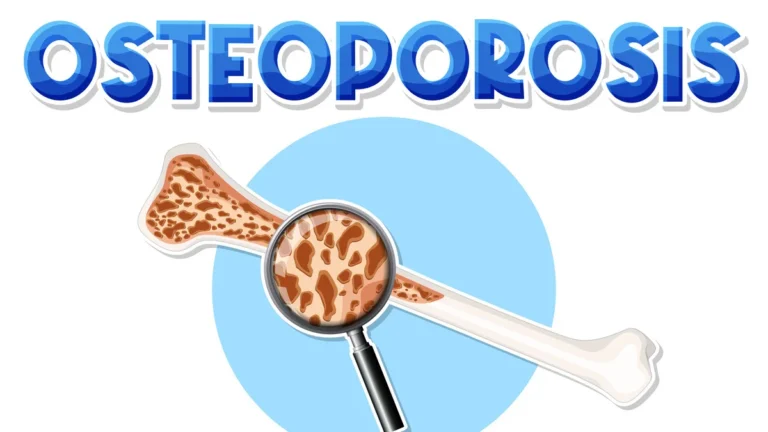
Yes, histamine promotes bone loss by directly stimulating osteoclast activity. Osteoclasts are the cells responsible for breaking down bone tissue. When histamine is released, particularly during chronic or repeated allergic responses, it accelerates bone resorption, leading to the release of calcium, phosphorus, and other minerals from bone into the bloodstream. Over time, this sustained resorption progressively weakens bone architecture, increasing the risk of osteoporosis.
A key molecular player in this process is RANKL, a signaling protein produced by osteoblasts (the cells that build bone). RANKL binds to RANK receptors on osteoclast precursors, activating them to break down bone. Research compiled through the National Institutes of Health PubMed database, including preclinical and limited human studies, confirms that histamine enhances the effects of RANKL, effectively amplifying the bone degradation signal. The flipside of this is equally telling: when histamine levels are depleted, bone mineral density improves and bone formation activity increases.
So, histamine, when chronically elevated through ongoing allergic disease, is likely to have osteoporotic effects, particularly in persistent inflammatory states.
Can Antihistamines Actually Protect Against Bone Loss?
H1 antihistamines, the drugs that block histamine at H1 receptors, do appear to offer some degree of bone protection, at least over the short term. By reducing osteoclastic activity through H1 blockade, these drugs can support better bone mineral density. Some experimental and observational data suggest a shift toward bone-preserving activity, although this is not consistently demonstrated across clinical settings.
First generation H1 blockers such as cyproheptadine, chlorpheniramine, promethazine, and diphenhydramine cross the blood brain barrier readily and carry sedating effects as a result. Second generation antihistamines including cetirizine, loratadine, fexofenadine, and terfenadine have far lower CNS penetration and minimal sedation, which is why they dominate long term allergy management today.
Both generations block H1 receptors, but it is the second-generation drugs that people tend to take daily for months or years, which is precisely why the bone conversation matters most in this group.
How Long Do the Bone-Protective Effects of Antihistamines Last?
The osteoprotective effects of H1 antagonists are real but time limited. According to research published in The American Journal of Medicine, these protective effects last no longer than six months. What happens beyond that point is not yet clearly established. Whether the effect plateaus at neutral or shifts toward harm with continued use remains an open research question. What this does tell us practically is that long term antihistamine use should not be assumed to be bone protective simply because short term use appears to be.
Are There Bone Risks for Children Taking Antihistamines Long Term?
Children and adolescents using antihistamines chronically represent a group that deserves more clinical attention. H1 antihistamines are among the most frequently prescribed medications in paediatric allergy practice, often used continuously for conditions like allergic rhinitis and eczema. Because peak bone mass is established during childhood and adolescence, any factor that interferes with bone mineral accrual during this window could have consequences that only surface decades later. The current evidence does not establish a clear causal harm, but the theoretical concern is legitimate and the topic is under researched in paediatric populations.
Why Do Some Women Over 40 Experience Joint Pain After Taking Cetirizine?
This is something I hear about fairly regularly from patients, and it is worth taking seriously even though it is not a listed adverse effect in cetirizine’s standard product information. This observation remains largely anecdotal and has not been clearly established in clinical studies. Women over 40 who report joint discomfort after short term cetirizine use may be experiencing the intersection of several factors: the transient and quickly exhausted bone protective effects of the antihistamine, age related and perimenopausal bone density changes, and ongoing joint inflammation driven by the allergic condition itself rather than the drug. The pro inflammatory mediators released during allergic reactions, beyond histamine alone, can directly affect joint tissue, and these are not fully suppressed by H1 blockade.
This pattern does not mean cetirizine should be avoided, but it does suggest that women in this demographic using antihistamines long term should have bone health as part of their broader health conversation with their clinician.
What Can You Do to Support Bone Health During Long Term Antihistamine Use?
Calcium and vitamin D are the most evidence supported interventions for maintaining bone mineral density during any period where bone metabolism may be affected. A review of studies indexed through PubMed confirms that adequate vitamin D directly supports calcium absorption and healthy bone remodeling, both of which are relevant when histamine pathways are being pharmacologically modified. Weight bearing physical activity, a diet rich in calcium from food sources, and limiting bone depleting lifestyle factors like smoking and excessive alcohol all remain important. I would not advise stopping antihistamines out of bone related concern, particularly where they are effectively managing a genuine allergic condition. But I do think supplementation and periodic bone health monitoring are sensible for long term users, postmenopausal women, and children on chronic therapy.
Clinical Bottom Line
• Histamine may contribute to increased bone resorption, especially in chronic allergic conditions
• Short term antihistamine use may support bone balance, but effects are time limited
• Long term impact of antihistamines on bone health remains unclear
• Bone support strategies like vitamin D, calcium, and exercise remain essential regardless of antihistamine use
FAQs
Q1. Is histamine osteoporotic?
Yes, Histamine promotes bone loss by stimulating osteoclast activity and enhancing RANKL-mediated bone degradation. Chronic histamine release from ongoing allergic conditions can progressively reduce bone mineral density and increase osteoporosis risk.
Q2. Can antihistamines protect against osteoporosis?
H1 antihistamines reduce osteoclastic activity and may support bone mineral density in the short term. However, research published in The American Journal of Medicine shows this protective effect lasts no longer than six months, and long-term bone outcomes remain unclear.
Q3. Which antihistamines are most associated with bone effects?
H1 receptor blockers, both first generation (such as diphenhydramine and chlorpheniramine) and second generation (such as cetirizine and loratadine), influence bone metabolism through H1 receptor blockade. Second generation antihistamines are more relevant clinically because they are used long term.
Q4. Should children on long term antihistamines have their bone health monitored?
Given that peak bone mass is established during childhood and adolescence, children using antihistamines chronically should have their bone health factored into routine care, particularly with extended use lasting many months.
Q5. Why does cetirizine cause joint pain in some women over 40?
Joint discomfort in this group may relate to the short-lived nature of antihistamine bone protection, underlying perimenopausal bone changes, and residual joint inflammation from allergic mediators not fully blocked by H1 antagonism. This pattern is not yet formally characterized as a listed adverse effect.
Q6. Should I take calcium and vitamin D if I use antihistamines regularly?
Calcium and vitamin D supplementation is generally safe alongside antihistamine therapy and is a sensible step for anyone concerned about bone health during long term use. Always discuss the right doses with your pharmacist or doctor.
Call to Action
If this article raised questions about your own bone health or allergy management, I have more resources for you on pharmahealths.com. Take a look at my article on calcium rich foods to see how much you can get through diet alone, and browse the Bone Health section for more evidence-based content written from a pharmacist’s perspective. If you are managing a skin condition alongside allergies, the Skin Health hub covers biologic and antihistamine-based treatments in depth. I write all of this to help you make more informed decisions about your health, so explore, ask questions, and come back often.
Disclaimer
This article is intended for informational purposes only and does not constitute medical advice. Always consult a qualified healthcare professional before making any changes to your medication or supplement routine. Individual health circumstances vary, and nothing in this article should replace personalized clinical guidance.
References
• The American Journal of Medicine, clinical insights into antihistamine effects
• National Institutes of Health, biomedical research database
• PubMed, indexed medical literature source
• Journal of Allergy and Clinical Immunology, allergy and immunology research
• Osteoporosis International. bone metabolism and osteoporosis studies