
You treat it. It clears. Then a few weeks later, that familiar burning sensation is back, and you’re staring at another prescription for trimethoprim wondering what you’re doing wrong.
You treat it. It clears. Then weeks later, the burning is back, and so is another antibiotic.
You’re not doing anything wrong. Recurrent urinary tract infections affect roughly one in four women who’ve had a UTI, and for many, they become a frustrating, exhausting cycle that antibiotics alone simply can’t break. The real question isn’t just how to treat the infection you have right now, it’s why your body keeps letting them take hold in the first place.
As a pharmacist, I’ve spoken to countless women who’ve been handed antibiotic after antibiotic without ever being told why this keeps happening. That’s what this article is here to fix.
First, What Counts as Recurrent?
A UTI is classed as recurrent when you have two or more infections within six months, or three or more within a year. If that sounds familiar, you’re far from alone. Research published in the American Journal of Obstetrics and Gynecology found that recurrent UTIs are one of the most common bacterial infections in women, with a significant proportion experiencing their first recurrence within six months of initial infection.
The bacteria responsible in most cases is Escherichia coli, E. coli, which accounts for around 80 to 85% of all UTIs. But knowing the culprit is only part of the picture. The more important question is why it keeps getting through your defences.
Your Bladder Has a Memory, And So Does the Bacteria
Here’s something most people aren’t told: E. coli doesn’t always fully clear from your body after a UTI, even when your symptoms resolve and your urine culture comes back clean. Research from Washington University School of Medicine found that E. coli can form dormant reservoirs inside the cells lining the bladder wall, essentially hiding from both antibiotics and your immune system. When conditions are right, these reservoirs reactivate, causing what feels like a new infection but is technically a relapse of the original one.
This is one of the key reasons why some women get UTIs repeatedly despite doing everything right, washing correctly, staying hydrated, urinating after sex. The bacteria aren’t always coming from outside. Sometimes it’s already in there, waiting.
Why Some Women Are Simply More Vulnerable
Biology plays a significant role, and it’s worth understanding rather than dismissing.
Women have a shorter urethra than men, roughly 4 centimeters compared to 20, which means bacteria have a much shorter distance to travel to reach the bladder. This anatomical reality is why UTIs are disproportionately common in women to begin with.
But beyond anatomy, research has shown that certain women have a higher density of specific receptors on their bladder cell surfaces that E. coli binds to particularly easily. A study published in the New England Journal of Medicine found that women who are non-secretors of blood group antigens, a genetically determined trait, are significantly more susceptible to recurrent UTIs because their urinary tract lining offers more of the attachment points E. coli needs to establish infection. If recurrent UTIs run in your family, this may be part of the reason.
The Menopause Connection Nobody Talks About
If your recurrent UTIs started in your 40s or 50s, oestrogen decline is likely playing a central role, and this is chronically under-discussed in clinical practice.
Here’s where hormones quietly change the entire picture.
Oestrogen (estrogen) keeps the tissues of the vagina and urethra healthy, thick, and well lubricated. It also supports the growth of Lactobacillus, the beneficial bacteria that maintain an acidic vaginal environment hostile to pathogens like E. coli. As oestrogen levels fall during perimenopause and menopause, vaginal pH rises, Lactobacillus populations decline, and the mucosal lining becomes thinner and more vulnerable.
According to research published in Maturitas, postmenopausal women experience a significantly higher rate of recurrent UTIs compared to premenopausal women, largely due to these hormonal shifts. The good news is that topical oestrogen, applied directly to the vaginal area as a cream, pessary, or ring, has been shown in multiple studies to substantially reduce UTI recurrence in postmenopausal women by restoring the local environment. This is something worth discussing with your doctor if recurrent UTIs started around the time of your menopause transition.
Sex, the Microbiome, and Other Triggers
Sexual activity is a well-established trigger for UTIs, particularly in younger women. The physical mechanics of intercourse can push bacteria from the perineum into the urethra, and studies show that the risk of a UTI increases significantly in the 48 hours following sexual activity. This is why the advice to urinate after sex exists, though it’s worth knowing it reduces risk rather than eliminating it entirely. It lowers the odds, but it doesn’t make you immune.
Your gut microbiome matters more than most people realize too. The gut is the primary reservoir from which urinary pathogens, particularly E. coli, originate. A 2019 study in Nature Microbiology found that strains of E. coli causing UTIs were genetically identical to strains found in the same women’s gut, confirming the gut-to-bladder transmission route. Anything that disrupts your gut microbiome, frequent antibiotics, poor diet, high sugar intake, can increase the pool of pathogenic bacteria available to migrate.
Contraceptive choices can also influence risk. Diaphragms and spermicide, containing products alter vaginal flora and raise urinary tract vulnerability, according to research in the Journal of Infectious Diseases. If you use these methods and experience recurrent UTIs, it’s worth exploring alternatives with your doctor or pharmacist.
D-Mannose, The Evidence Behind the Supplement
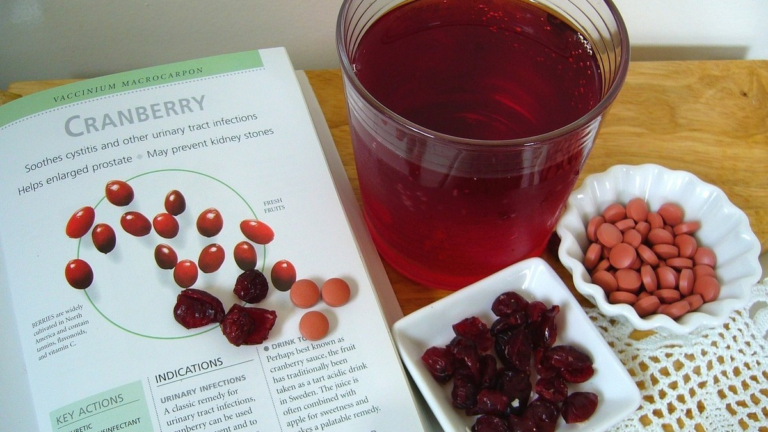
You’ve probably heard of cranberry supplements for UTIs, and while the evidence for cranberry is modest at best, D-mannose tells a more interesting story.
This is where prevention gets more targeted.
D-mannose is a simple sugar that works by binding to the fimbriae, the hair like appendages E. coli uses to stick to bladder walls, essentially coating the bacteria so it can no longer adhere and is flushed out in urine instead.
A well-designed clinical trial published in the World Journal of Urology found that D-mannose powder taken daily was comparable in effectiveness to low dose antibiotic prophylaxis in some studies, with significantly fewer side effects. It won’t treat an active infection, but as a daily preventive for women prone to recurrent UTIs, the evidence is genuinely promising.
Breaking the Cycle, What Actually Helps
Antibiotics are necessary when you have an active infection, but relying on them alone as a long-term strategy feeds the problem. Repeated antibiotic courses disrupt your gut microbiome further, reduce Lactobacillus populations, and contribute to the antibiotic resistance crisis that makes future infections harder to treat.
A more sustainable approach combines evidence-based prevention with targeted support. Staying well hydrated, aiming for pale yellow urine throughout the day, remains one of the simplest and most effective ways to flush bacteria before they establish. Probiotic strains, particularly Lactobacillus rhamnosus and Lactobacillus reuteri, have shown promising results in clinical research for restoring vaginal flora and reducing UTI frequency in women with recurrent infections.
If you’re experiencing more than two UTIs in six months, ask your doctor for a referral rather than another repeat prescription. A urine culture, sensitivity testing, and in some cases a referral to urology can uncover underlying factors, structural abnormalities, incomplete bladder emptying, or persistent bacterial reservoirs, that are keeping you stuck in the cycle.
What actually helps in simple terms,
• Stay consistently hydrated (not just when symptoms start)
• Urinate after sex to reduce bacterial transfer
• Consider D-mannose as a preventive option
• Support healthy vaginal flora (probiotics or oestrogen if appropriate)
• Avoid repeated unnecessary antibiotic use where possible
The Bottom Line
Recurrent UTIs are not a hygiene failure, a personal weakness, or simply bad luck. They’re the result of a complex interplay between your anatomy, hormones, microbiome, genetics, and the remarkable survival strategies of the bacteria involved. Understanding why they keep happening is the first and most important step toward actually stopping them.
You deserve more than a repeat prescription. You deserve an explanation and a plan.
And if you’ve been stuck in this cycle, it’s worth asking: what patterns is your body trying to show you?
FAQs
Q1. How many UTIs is considered recurrent?
Two or more UTIs within six months, or three or more within a year, is the clinical definition of recurrent UTIs. If you’ve reached either threshold, it’s worth asking your doctor for further investigation rather than another course of antibiotics.
Q2. Can UTIs come back even after antibiotics have cleared them?
Yes, and this is more common than most people realize. Research has shown that E. coli can form dormant reservoirs inside the bladder wall lining, surviving antibiotic treatment in a hidden, inactive state. When conditions change, these reservoirs can reactivate and trigger what feels like a brand-new infection.
Q3. Does menopause make UTIs more likely?
It does. Falling oestrogen levels during perimenopause and menopause thin the urethral and vaginal tissues, raise vaginal pH, and reduce protective Lactobacillus bacteria, all of which make the urinary tract more vulnerable to infection. Topical oestrogen therapy has strong evidence behind it for reducing UTI recurrence in postmenopausal women and is worth discussing with your doctor.
Q4. Does drinking cranberry juice actually work?
The evidence for cranberry juice is weak. The concentration of active compounds in juice is generally too low to have a meaningful effect. D-mannose has considerably stronger clinical evidence for preventing recurrent UTIs and is a more evidence-based option to discuss with your pharmacist.
Q5. Is it safe to take D-mannose every day?
D-mannose is generally considered safe for daily use as a preventive supplement. It is not metabolized significantly by the body and is excreted through urine, which is precisely how it works. That said, it is not a treatment for an active UTI, you still need antibiotics if an infection is confirmed.
Q6. Can sex cause a UTI every time?
Not every time, but sexual activity is a well-established trigger. The risk is highest in the 48 hours following intercourse. Urinating after sex, staying hydrated, and avoiding spermicide containing contraceptives can help reduce, though not eliminate, this risk.
Q7. Should I take probiotics for recurrent UTIs?
There is growing evidence that specific Lactobacillus strains, particularly Lactobacillus rhamnosus and Lactobacillus reuteri, can help restore vaginal flora and reduce UTI frequency. Probiotics are not a standalone treatment but can be a useful part of a broader prevention strategy alongside hydration, D-mannose, and lifestyle adjustments.
Q8. When should I ask for a referral instead of another prescription?
If you are experiencing two or more UTIs within six months, ask your doctor to investigate further rather than issuing another repeat prescription. A urine culture with sensitivity testing, and in some cases a urology referral, can identify underlying causes such as incomplete bladder emptying, structural factors, or persistent bacterial reservoirs that antibiotics alone will never resolve.
Call to Action
If recurrent UTIs are affecting your quality of life, you don’t have to keep managing them one prescription at a time. At PharmaHealths, we break down the science behind chronic health conditions, so you can have more informed conversations with your healthcare team and make choices that actually work for your body. Explore more evidence-based women’s health articles at pharmahealths.com.
Disclaimer
This article is intended for informational purposes only and does not constitute medical advice. The content is written from a pharmacist’s perspective to support general health education and awareness. If you are experiencing recurrent urinary tract infections, please consult your doctor or a qualified healthcare professional for personalized assessment and treatment. Do not stop, change, or delay any prescribed medication based on information in this article.
References
• Foxman B. Recurrent urinary tract infection: incidence and risk factors. American Journal of Public Health. 2002.
• Mysorekar IU, Hultgren SJ. Mechanisms of uropathogenic Escherichia coli persistence and eradication from the urinary tract. Proceedings of the National Academy of Sciences. 2006.
• Schaeffer AJ et al. Urinary tract infections in women susceptibility and host defence mechanisms. New England Journal of Medicine. 2001.
• Raz R, Stamm WE. A controlled trial of intravaginal estriol in postmenopausal women with recurrent urinary tract infections. New England Journal of Medicine. 1993.
• Hooton TM. Recurrent urinary tract infection in women. International Journal of Antimicrobial Agents. 2001.
• Pietrzak B et al. D-mannose vs antibiotic prophylaxis for recurrent UTI prevention. World Journal of Urology. 2022.
• Worby CJ et al. Gut microbiome as reservoir for urinary tract pathogens. Nature Microbiology. 2019.
• Stapleton AE. The vaginal microbiota and urinary tract infection. Microbiology Spectrum. 2016.
• Kontiokari T et al. Dietary factors protecting women from urinary tract infection. American Journal of Clinical Nutrition. 2003.
• Eells SJ et al. Recurrent urinary tract infections in postmenopausal women oestrogen, microbiome, and management. Maturitas. 2014.