
If you’ve ever had a urinary tract infection, someone, your mum, a friend, possibly even a pharmacist, has probably told you to drink cranberry juice. For decades, that advice was passed around more as folk wisdom than clinical guidance, and for a while the science behind it looked a bit shaky. But something quietly significant has been building in the research space, and a study published in May 2026 in Applied and Environmental Microbiology has made it genuinely hard to dismiss.
Cranberry juice might not just help prevent UTIs. According to this latest work, it may actually make antibiotics work better against the very bacteria causing the infection, including resistant strains. That’s worth sitting with for a moment.
The UTI Problem We’re Not Talking About Enough
More than 400 million people experience a urinary tract infection every year, and some epidemiological studies estimate that more than half of all women will develop at least one in their lifetime. Across healthcare systems worldwide, UTIs are among the most common reasons antibiotics are prescribed in primary care, and that’s exactly where the problem starts.
The overuse of antibiotics in treating these infections, particularly recurrent ones, has contributed to a growing pool of resistant bacteria that no longer respond predictably to standard treatment.
Fosfomycin is widely used as a first line option for uncomplicated UTIs, particularly as trimethoprim resistance rates continue to climb. But resistance to fosfomycin is creeping up too, and when it fails, clinicians are left reaching for broader spectrum options with more side effects and greater ecological impact on the gut microbiome.
The question of how to preserve the drugs we already have has never felt more urgent.
What the New Research Actually Found
The 2026 study, led by microbiologist Eric Déziel, exposed lab grown strains of uropathogenic Escherichia coli, the bacteria responsible for the vast majority of UTIs, directly to cranberry juice alongside fosfomycin.
In 72% of strains tested, cranberry juice both boosted the antibiotic activity of fosfomycin and suppressed the emergence of resistance related mutations.
That dual effect is what makes this research stand out. It’s not just that the antibiotic performed better, it’s that the bacteria were simultaneously less able to adapt and survive in its presence.
So how does cranberry juice actually do this?
Fosfomycin enters bacterial cells through the same channels used by the microbes to absorb certain sugars. Researchers found that something in the cranberry juice, they aren’t yet certain which compound specifically, causes the bacteria to increase sugar uptake through one of those channels, which means more fosfomycin gets pulled in at the same time.
Because resistance mutations tend to occur in other nutrient channels rather than this one, the bacteria’s usual escape route is partially blocked.
This Isn’t the First Time Cranberry Has Surprised Researchers
This finding doesn’t come out of nowhere.
Earlier research from McGill University found that cranberry extract made bacteria more sensitive to antibiotics in two distinct ways,
• It increased the permeability of bacterial cell membranes
• It disrupted efflux pumps, the mechanisms bacteria use to push antibiotics out
Efflux pump disruption is particularly significant because it’s one of the most common resistance strategies.
The McGill work also produced one of the more striking observations in this field. When bacteria were treated with an antibiotic alone in the lab, resistance developed over time as expected. But when the same bacteria were treated with both the antibiotic and cranberry extract simultaneously, no detectable resistance developed under those experimental conditions.
Not slowed, effectively absent within the study setting. That result, while still limited to laboratory conditions, is genuinely remarkable.
More recently, research confirmed that A-type proanthocyanidins from cranberries significantly disrupted biofilm formation in Pseudomonas aeruginosa, a notoriously hard to treat organism, and enhanced the activity of gentamicin against it.
That takes the cranberry story well beyond UTIs into territory that serious antimicrobial research is paying close attention to.
The Chemistry Behind the Cranberry
Understanding why cranberry has these effects requires a look at its active compounds.
The star players are A-type proanthocyanidins (PACs), polyphenols found in far higher concentrations in cranberries than in most commonly consumed fruits.
Research has shown that these compounds,
• Inhibit bacterial adhesion to the urinary tract lining
• Reduce recurrence risk
• Interfere with biofilm formation
The mechanism is precise. PACs bind to the P-fimbriae on the surface of Escherichia coli; the structures bacteria use to attach to bladder walls. Without that grip, bacteria struggle to establish infection.
Researchers have also found that cranberry oligosaccharides disrupt biofilms, which is particularly relevant for recurrent UTIs, where bacteria can hide from both antibiotics and the immune system.
What the newer research adds is a second layer, beyond prevention, cranberry compounds may also interfere with bacterial survival during antibiotic exposure.
That shifts cranberry from a prevention tool to a potential treatment adjuvant a meaningful distinction.
Fermented Cranberry (An Emerging Angle)
One area attracting growing interest is fermented cranberry juice.
A study examining fermented cranberry in combination with tigecycline and vancomycin found synergistic effects against organisms like Enterococcus faecium, Enterobacter cloacae, and Staphylococcus aureus.
These are not routine UTI pathogens, they’re associated with complex, hospital acquired infections.
Fermentation is thought to enhance the bioavailability of cranberry polyphenols by transforming them into more active metabolites.
It’s early-stage work, but it adds another layer to an already compelling picture.
What This Means in Practice, And What It Doesn’t
It’s important to be clear: the 2026 study was conducted in laboratory conditions, not in human participants.
Researchers themselves noted that it’s still unknown whether drinking cranberry juice delivers the same effect in the body, particularly after digestion and metabolism.
That’s not a minor detail; it’s a key unanswered question.
However, what stands out is the consistency across multiple lines of research,
• Anti adhesion
• Membrane disruption
• Efflux pump interference
• Biofilm inhibition
• Enhanced antibiotic uptake
Different mechanisms, different research groups, all pointing in the same direction.
Cranberry Juice vs. Supplements Does It Matter?
One practical point the lead researcher raised is worth noting, people drink juice, not lab extracts.
The fact that this study used actual cranberry juice and still showed an effect in 72% of strains makes the findings more relevant to everyday use.
However, not all cranberry products are equal.
Commercial drinks are often diluted and sweetened, which can significantly reduce PAC content.
For those considering cranberry,
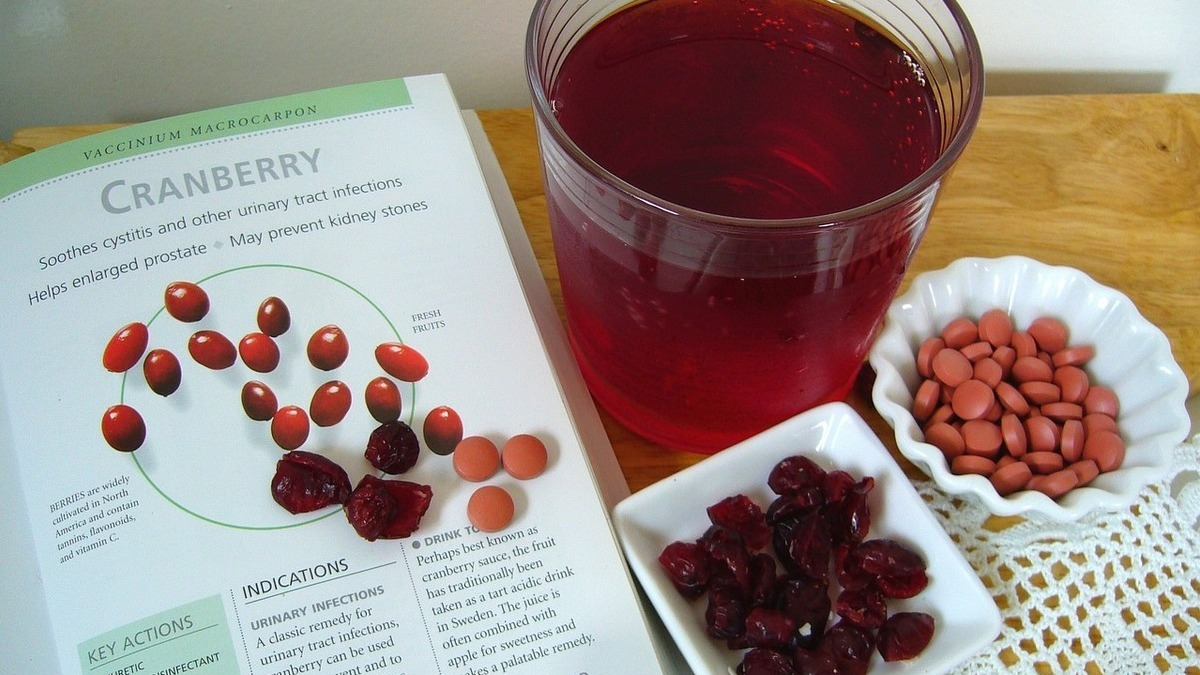
• Pure cranberry juice or
• Standardized supplements (~36 mg PACs per serving) are the forms most consistently studied.
The Bigger Picture
Antimicrobial resistance is one of the most serious public health challenges of our time.
The search for compounds that can support antibiotics without contributing to resistance is a growing priority.
Cranberry, long seen as a simple home remedy, is beginning to earn a more credible place in that conversation.
The evidence isn’t yet strong enough to recommend it as a formal treatment adjunct. That will require human trials.
But it is strong enough to say this,
The cranberry story is no longer just folklore, it’s increasingly grounded in microbiological science.
Take the antibiotics. Stay hydrated.
And the cranberry?
It may be doing more than we ever gave it credit for.
FAQs
Q1. Can cranberry juice replace antibiotics for a UTI?
No, and it’s important to be straightforward about this. Cranberry juice is not an antibiotic and cannot clear an active UTI on its own. What emerging research suggests is that certain compounds in cranberry juice may help antibiotics work more effectively against the bacteria causing the infection. If you have a UTI, you still need to complete your prescribed course of antibiotics. Never stop or skip antibiotic treatment based on home remedies alone.
Q2. How does cranberry juice help with UTIs?
Cranberry contains natural compounds called A-type proanthocyanidins (PACs), which research has shown can prevent bacteria from sticking to the lining of the urinary tract, a crucial first step in infection. More recent studies have found that cranberry compounds may also make bacteria more vulnerable to antibiotics by increasing how much of the drug gets absorbed into bacterial cells and by disrupting the pumps bacteria use to expel antibiotics before they take effect.
Q3. Is cranberry juice or a cranberry supplement better for UTIs?
Both can be beneficial, but the quality of the product matters significantly. Many commercially available cranberry juice drinks are diluted and high in added sugar, which reduces their therapeutic value. Standardized cranberry supplements providing at least 36mg of A-type PACs per serving are the formulations most consistently studied for UTI prevention. If you prefer juice, opt for pure, unsweetened cranberry juice rather than a cranberry “drink” or cocktail.
Q4. Can cranberry juice help with antibiotic-resistant UTIs?
This is exactly what researchers are currently investigating. A study published in Applied and Environmental Microbiology in 2026 found that cranberry juice boosted the activity of fosfomycin against resistant strains of E. coli in laboratory conditions and also reduced the likelihood of further resistance developing. These findings are promising, but they have not yet been confirmed in human clinical trials, so it would be premature to recommend cranberry juice specifically for resistant infections at this stage.
Q5. How much cranberry juice should I drink during a UTI?
There is currently no established clinical dose for cranberry juice as a treatment adjuvant. Most research on UTI prevention has used standardized PAC doses rather than specific juice volumes. Drinking pure, unsweetened cranberry juice as part of staying well-hydrated during a UTI is unlikely to cause harm for most people, but speak to your pharmacist or GP if you are on warfarin, as cranberry can interact with anticoagulant therapy.
Q6. Does cranberry juice interact with any medications?
The most clinically significant interaction is with warfarin. Cranberry juice has been reported to enhance the anticoagulant effect of warfarin, potentially increasing the risk of bleeding. If you are taking warfarin or any other anticoagulant, speak to your pharmacist before consuming cranberry juice regularly. For most people taking standard UTI antibiotics such as fosfomycin, trimethoprim, or nitrofurantoin, cranberry juice is not known to cause harmful interactions, though this is an area where research is still developing.
Call to Action
Dealing with a recurrent UTI or unsure whether cranberry is right for you? Our pharmacists are here to help. Whether you need guidance on UTI prevention strategies, antibiotic courses, or the right cranberry supplement for your needs, you can get personalized, evidence-based advice without a GP appointment. Visit PharmaHealths today and take the first step toward better urinary health.
References
• A 2026 study by Deziel and colleagues published in Applied and Environmental Microbiology examining cranberry juice and fosfomycin synergy against uropathogenic E. coli
• Research from McGill University published in Advanced Science on cranberry extract, bacterial membrane permeability, and efflux pump disruption
• A 2025 review published in Frontiers in Nutrition examining A-type proanthocyanidin mechanisms across studies conducted between 1962 and 2024
• Work published in BMC Infectious Diseases by Howell and colleagues on PAC dosage and anti-adhesion activity in uropathogenic E. coli
• A 2020 pilot study published in Experimental and Therapeutic Medicine on cranberry extract and D-mannose as potential enhancers of antibiotic sensitivity in UTI therapy
• Research published via NCBI examining fermented cranberry juice in combination with tigecycline and vancomycin against resistant pathogens including Enterococcus faecium and Staphylococcus aureus