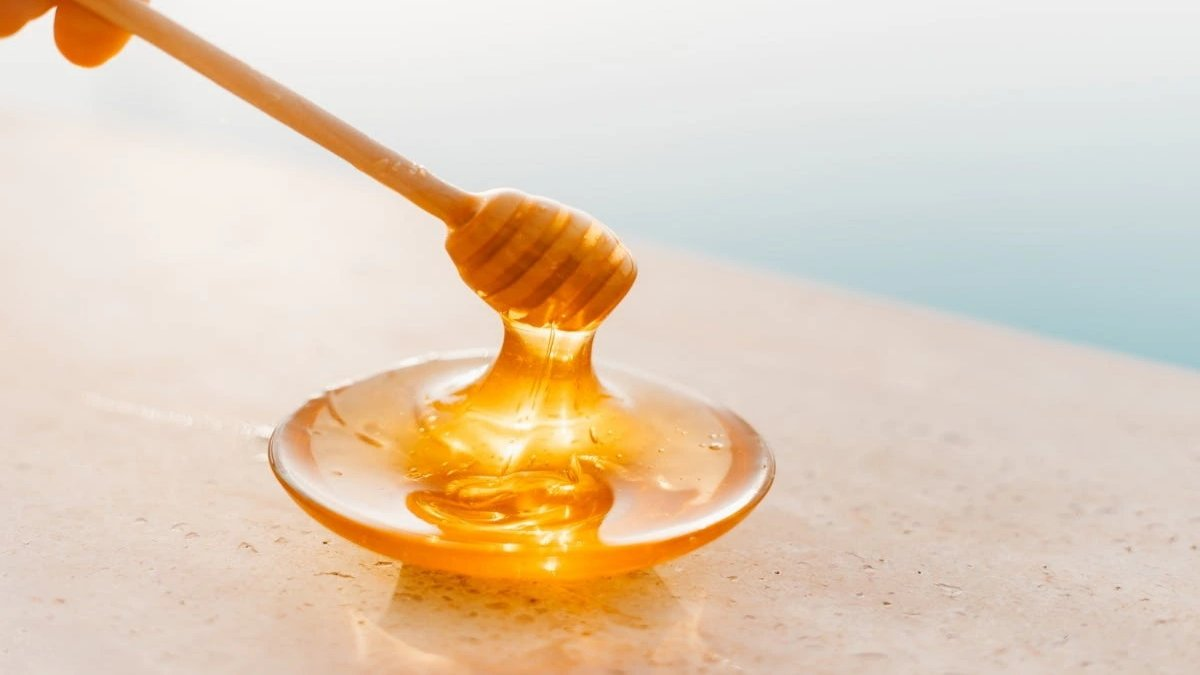

Honey is one of the oldest natural foods known to humans. Long before modern medicine, it was used to support digestion, soothe sore throats, and restore energy. Today, research confirms that honey contains antioxidants, enzymes, polyphenols, and natural sugars that influence metabolism and immunity.
Still, a common question remains. what is the best time to take honey to get the maximum health benefit?
The answer is not the same for everyone. Honey behaves differently in the body depending on timing, quantity, and individual health needs. Understanding this timing can help you use honey more effectively rather than just treating it as another sweetener.
Honey in the Morning (Supporting Digestion and Natural Energy)
Taking honey in the morning, especially on an empty stomach, is one of the most popular traditional practices, and it has scientific reasoning behind it.
After an overnight fast, the digestive system is primed for absorption. Honey provides easily digestible carbohydrates that supply quick energy without overwhelming the system. Unlike refined sugar, honey also contains trace minerals, enzymes, and antioxidants that support metabolic processes.
When taken with warm water, honey may:
Stimulate digestive enzymes,
• Support gut motility and bowel regularity
• Reduce gastric acidity in sensitive individuals
• Provide a steady energy boost for the brain
This makes morning honey particularly helpful for people who experience sluggish digestion, fatigue, or mild constipation. Warm water enhances solubility and absorption, but boiling water should be avoided because high heat can destroy honey’s beneficial compounds.
When taken in the morning, honey is best suited for digestion support, improved mental alertness, mild detox routines, and immune support.
Honey Before Meals (Appetite Regulation and Metabolic Balance)
Consuming a small amount of honey 15–30 minutes before meals may influence appetite and post meal blood sugar response.
Honey has a lower glycemic index than refined sugar, meaning it raises blood glucose more gradually. Some studies suggest that replacing refined sugar with honey may improve insulin sensitivity and lipid profiles when used in moderation.
Before-meal honey may,
• Reduce sudden sugar cravings
• Help control portion sizes
• Support more stable post-meal energy levels
This does not mean honey is suitable in large quantities, especially for people with diabetes. However, small amounts may be better tolerated than processed sugars when part of a balanced diet.
Individuals with diabetes or insulin resistance should monitor blood glucose levels and consult a healthcare professional before regular use.
Honey in the Afternoon (Natural Energy Without the Crash)
Many people experience an afternoon energy dip. Reaching for sugary snacks or caffeinated drinks can lead to rapid spikes and crashes.
A small amount of honey during the afternoon may,
• Provide quick energy
• Reduce reliance on refined snacks
• Support sustained focus
Unlike artificial sweeteners or highly processed snacks, honey offers nutritional compounds that support cellular metabolism. Pairing honey with protein or fiber, such as yogurt or nuts, may further stabilize blood sugar response.
Honey Before Bed (Sleep Quality and Nighttime Recovery)
Honey before bedtime may seem surprising, but research suggests it can play a supportive role in sleep regulation.
During sleep, the brain relies on steady glucose availability. Low blood sugar can trigger cortisol release, a stress hormone that disrupts deep sleep. Honey may help maintain liver glycogen stores, reducing nighttime stress responses.
Honey before bed may,
• Support deeper, more continuous sleep
• Reduce nighttime awakenings
• Promote relaxation when combined with warm milk or herbal tea
This timing may be particularly helpful for individuals who wake up feeling unrested or experience nighttime hunger. Portion control is essential, as excess sugar late at night may negatively affect blood glucose.
Honey During Illness (Immune and Throat Support)
Honey can be taken at any time of day during illness, especially for coughs, sore throats, and mild respiratory infections.
Scientific studies confirm honeys,
• Antibacterial and antimicrobial properties
• Ability to coat and soothe irritated throat tissue
• Effectiveness in reducing cough frequency and severity
The World Health Organization recognizes honey as a safe and effective natural remedy for cough relief in adults and children over one year of age.
Honey should never be given to infants under one year due to the risk of infant botulism.
How Much Honey Is Healthy?
Timing matters, but moderation matters more.
For most healthy adults,
• 1 to 2 teaspoons per day is sufficient Intake can be divided across the day
• Raw or minimally processed honey is preferred
Honey is still a form of sugar. Excessive intake may contribute to weight gain and blood sugar imbalance, regardless of timing.
Final Takeaway
There is no single “perfect” time to take honey. Morning use supports digestion and energy, afternoon use helps prevent energy crashes, nighttime use may improve sleep, and illness time use soothes the throat and supports immunity.
When used mindfully and in moderation, honey is more than a sweetener, it is a functional food with scientifically supported benefits.
FAQs
Q1. What is the healthiest time to eat honey?
Morning on an empty stomach and nighttime before bed are the most commonly supported times. Morning intake may support digestion and energy, while nighttime intake may help with sleep and recovery, depending on individual health goals.
Q2. Is it safe to consume honey daily?
Yes, Honey can be consumed daily when used in moderation as part of a balanced diet. For most adults, 1–2 teaspoons per day is considered appropriate.
Q3. Is honey better at night or in the morning?
Honey taken in the morning may support digestion and provide natural energy, while honey taken at night may help stabilize blood sugar levels and support restful sleep.
Q4. Does hot water destroy honey’s benefits?
Yes, very hot or boiling water can reduce honey’s enzyme activity and antioxidant content. Honey should be mixed with warm, not hot, water to preserve its benefits.
Disclaimer
This article is for educational purposes only and does not provide medical advice, diagnosis, or treatment. Honey may support health, but it is not a substitute for professional medical care. Individuals with medical conditions should consult a qualified healthcare provider.
Call to Action
Use honey with intention, not excess.
Choose raw or minimally processed honey and take it in small amounts at the time of day that best supports your health goals, whether that’s better digestion in the morning or improved sleep at night.
Read medical policy : https://pharmahealths.com/medical-content-review/
References
• Journal of Medicinal Food, Antioxidant and metabolic properties of honey
• European Journal of Nutrition, Honey and digestive health interactions
• Nutrition Reviews, Glycemic response of honey versus refined sugar
• World Health Organization (WHO), Honey for cough and throat relief