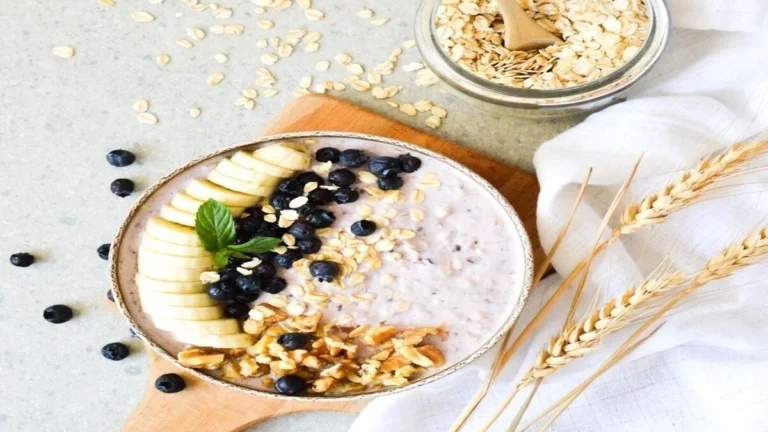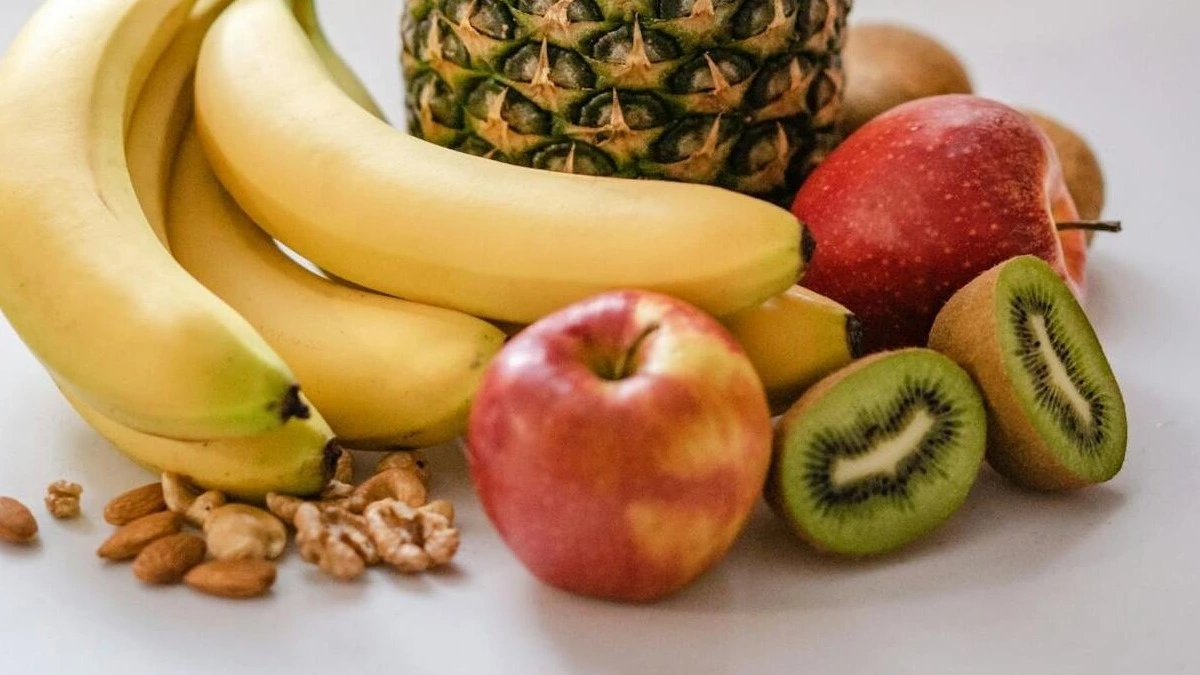

If you have ever been told to avoid fruit because of your blood sugar, you are not alone. It is one of the most common pieces of advice given to people managing diabetes or trying to lose weight, and while it is not entirely wrong, it is far from the whole picture.
What many people are not told is this: it is not always what you eat, but what you eat it with those shapes how your body responds. Pairing fruit with nuts or seeds is a simple, practical habit that has solid nutritional logic behind it, and in some cases, real evidence to support it.
But before you reach for an extra-large mango bowl topped with a handful of almonds, there is something important you need to understand about sugar load. We will get to that.
• Quick takeaway: pairing fruit with nuts or seeds can help reduce blood sugar spikes, but portion size still matters.
Why Fruit Alone Can Cause a Blood Sugar Spike
Fruit contains natural sugars, primarily fructose and glucose, along with fiber, vitamins, and antioxidants. When you eat fruit on its own, particularly high glycaemic varieties like watermelon, banana, mango, or chikoo (sapodilla), those sugars enter your bloodstream relatively quickly. For most healthy people, this is manageable. For someone with diabetes, insulin resistance, or even just poor metabolic health, that quick rise in blood glucose can become a problem over time.
The glycaemic index, or GI, simply reflects how quickly a food raises blood sugar. Some fruits, especially when ripe, act faster than others when eaten alone.
• Watermelon, for example, has a GI of around 72.
• Mango sits at roughly 51 to 60 depending on ripeness.
• Banana climbs higher as it ripens.
• Chikoo is naturally dense with sugar and calories.
Eaten in isolation, these fruits can trigger the kind of rapid glucose spike that leaves you feeling energized for twenty minutes and exhausted shortly after, or, in someone with diabetes, genuinely difficult to manage.
What Happens When You Add Nuts or Seeds
This is where the pairing principle becomes genuinely interesting. Nuts and seeds are rich in three things that slow digestion: protein, healthy fats, and fiber. When these are eaten alongside carbohydrates, they effectively act as a buffer, slowing down how quickly glucose is absorbed into the bloodstream and reducing the height of the post-meal spike.
A study published in Diabetes Care found that adding almonds to a carbohydrate rich meal significantly reduced post meal blood glucose and insulin levels compared to eating the same carbohydrate without almonds.
Research published in the American Journal of Clinical Nutrition has similarly shown that walnuts, rich in omega-3 fatty acids and polyphenols, can improve insulin sensitivity with regular consumption.
Flaxseeds have been studied for their high lignan and soluble fibre content, with research suggesting they can reduce fasting blood glucose and improve glycaemic control over time.
Pumpkin seeds bring magnesium to the table, a mineral that plays a direct role in insulin signaling, and one that many people with type 2 diabetes are deficient in.
Sesame seeds offer calcium, lignans, and healthy fats that support both bone health and metabolic function.
Even peanut butter, the most everyday option on this list, has been shown in research to reduce the glycaemic response when paired with high carb foods like bread or fruit.
The mechanism is straightforward, fat and protein slow gastric emptying, the rate at which food leaves your stomach and enters the small intestine. Slower gastric emptying means slower glucose release into the blood. The result is a gentler rise, not a sharp spike, and more stable energy afterwards.
The Combinations That Make Nutritional Sense
• Apple with peanut butter is perhaps the most well researched pairing in this category. Apples contain pectin, a soluble fibre that independently helps blunt glucose absorption. Combined with the protein and monounsaturated fats in peanut butter, this is one of the most balanced fruit snacks available, suitable for most people, including those with diabetes in controlled portions.
• Papaya with roasted flaxseeds is a gut friendly combination worth taking seriously. Papaya contains the digestive enzyme papain, which supports protein breakdown and gut motility. Flaxseeds add omega-3 fatty acids and fibre, and according to research published in the Journal of Dietary Supplements, flaxseed supplementation was associated with meaningful reductions in fasting blood sugar. Together, they offer anti-inflammatory and digestive benefits that go beyond just glucose management.
• Mango with roasted pumpkin seeds and coconut is popular and nutritionally thoughtful, but mango is the variable here. A ripe mango provides a significant sugar load. The pumpkin seeds add magnesium and zinc, which support insulin sensitivity, and coconut contributes medium chain fatty acids that are metabolised differently from long chain fats. Researchers have found that magnesium intake is inversely associated with the risk of type 2 diabetes. This pairing works, but portion discipline with mango is essential, not optional.
• Watermelon with almonds and walnuts is a trickier one, Watermelon has one of the highest glycaemic indices of any common fruit. The nuts do buffer the response, but watermelon’s sugar still counts, and in generous portions, the blood sugar impact remains significant even with the pairing. A small wedge, not a half melon, is the appropriate serve.
• Banana with roasted black sesame seeds offers a practical balance. Bananas provide quick releasing carbohydrates and potassium, which supports heart and muscle function. A less ripe banana has a lower GI than a fully ripe one, worth knowing. Black sesame seeds are particularly rich in calcium, iron, and magnesium, and their healthy fat content helps moderate the banana’s glycaemic hit. A small banana with a teaspoon of seeds is a sensible pre-exercise snack.
• Muskmelon with sprouts is one of the better options in this list for blood sugar management. Sprouts add digestive enzymes, fibre, and plant protein that genuinely slow sugar absorption. Muskmelon, while moderately high glycaemic, is very hydrating and lower in overall sugar than mango or chikoo. This is one of the more forgiving combinations for everyday use.
• Chikoo with roasted sesame seeds is the one that requires the most caution. Chikoo is calorie dense, naturally very sweet, and has a significant sugar content. The sesame seeds provide calcium and lignans and do help reduce the glycaemic impact, but chikoo should be treated more like an occasional treat than a daily snack, particularly if you are managing blood sugar.
Who Benefits Most from This Approach
People with type 2 diabetes or prediabetes can benefit from this pairing strategy as part of a broader eating pattern, not as a treatment, but as a practical tool to reduce post meal spikes and improve satiety. Research consistently shows that eating patterns matter as much as individual food choices.
People focused on weight management benefit because these combinations increase satiety, reducing the likelihood of overeating or reaching for processed snacks an hour later.
Those with insulin resistance, polycystic ovary syndrome (PCOS), or a history of metabolic syndrome may find that consistent use of this kind of pairing improves their overall glucose variability day to day.
Active individuals or those who exercise regularly can use these pairings around workouts to provide steady, sustained energy rather than a sharp spike and crash.
The Critical Truth About Sugar Load
Here is the part that often gets left out of the conversation, pairing does not cancel carbohydrates.
The nuts and seeds slow how quickly glucose enters your bloodstream, they do not reduce the total amount of sugar you have consumed. If you eat a very large portion of mango or banana or chikoo, the sugar load is still significant. It will still raise blood glucose, just more gradually.
Think of it this way, pairing improves the shape of the blood sugar response (less steep, more gradual), but it does not change the total area covered. For someone with diabetes, both the height of the spike and the total glucose load matter.
Fruit portions for blood sugar control should be modest, a small banana, one small apple, or roughly a handful of fruit. Adding nuts or seeds does not change the amount of sugar you are eating, but it does make that portion more balanced, steadier in its glucose impact, and more satisfying.
A Simple Principal Worth Keeping
A simple rule you can follow,
• One small portion of fruit
• Plus 1–2 teaspoons of seeds or a small handful of nuts
• Avoid eating fruit completely on its own if blood sugar control is a concern
Fruit is not the enemy. Avoiding it entirely means missing out on fiber, antioxidants, vitamins, and genuine health benefits that have been associated with reduced risk of cardiovascular disease and certain cancers in multiple large studies.
The smarter approach is to treat fruit as part of a combination, not as a standalone sugar hit. A small portion of fruit with a teaspoon of seeds or a small handful of unsalted, minimally processed nuts turns a simple snack into something more balanced and metabolically friendlier.
Fruit isn’t the problem, how you eat it matters. When paired thoughtfully and eaten in the right portions, it can be part of a balanced, blood sugar, friendly diet.
As a pharmacist, the advice I give most often is this: do not fear food. Understand it. These pairings are not a cure and they are not a workaround for poor portion control, but used correctly, they are a genuinely useful strategy for steadier energy, better satiety, and more confident food choices.
Always consult a qualified healthcare professional before making significant dietary changes, especially if you are managing diabetes or using medications that affect blood sugar.
FAQs
Q1. Can I eat fruit every day if I pair it with nuts or seeds?
Yes, for most people eating fruit daily is absolutely fine, and pairing it with nuts or seeds makes it an even smarter choice. The combination helps slow glucose absorption and keeps you fuller for longer. If you have diabetes or insulin resistance, daily fruit is still possible but portion size matters more than frequency. Stick to one small serving at a time and choose lower GI fruits like apple, guava, or papaya more often than mango, banana, or chikoo.
Q2. How much nuts or seeds should I add to my fruit?
You do not need large amounts to get the benefit. A small handful of nuts, roughly 20 to 25 grams, or one to two teaspoons of seeds is enough to meaningfully slow glucose absorption and improve satiety. More is not necessarily better, particularly if you are watching calorie intake, as nuts and seeds are calorie dense.
Q3. Is this approach safe for someone with type 2 diabetes?
These pairings are generally considered a supportive dietary strategy for people with type 2 diabetes, not a treatment. They can help reduce post-meal blood sugar spikes when portions are controlled. However, high-sugar fruits like mango, watermelon, chikoo, and ripe banana still carry a significant glucose load even when paired, so they should be eaten in small amounts and less frequently. Always discuss dietary changes with your health care provider or diabetes care team.
Q4. Does roasting seeds reduce their nutritional value?
Light roasting has minimal impact on the key nutrients in seeds, the healthy fats, minerals, and fiber remain largely intact. What matters more is avoiding seeds that are heavily salted, coated in oil, or processed with added flavorings. Dry roasted or raw seeds are the best options.
Q5. Is peanut butter a good option or should I use whole nuts instead?
Both are nutritionally valid. Natural peanut butter, the kind made with just peanuts and no added sugar, salt, or palm oil, provides the same protein and monounsaturated fat benefits as whole peanuts. Whole nuts like almonds and walnuts offer additional fiber from their skin. Either works well as a fruit pairing, the choice comes down to personal preference and convenience.
Q6. Can children eat these fruit and nut combinations?
Yes, for most children these are excellent snack options. Fruit paired with nut butter or seeds provides a more balanced energy release than fruit alone, which supports concentration and avoids the energy dips that follow sugary snacks. The only caution is with nut allergies, always confirm there is no allergy before introducing nut-based foods to young children.
Q7. What if I have a nut allergy?
Seeds are a very practical alternative. Roasted pumpkin seeds, flaxseeds, sunflower seeds, and sesame seeds all provide the fat, fiber, and protein needed to buffer the glycaemic impact of fruit, without involving tree nuts or peanuts. Always check individual allergen profiles and consult an allergy specialist if you are uncertain.
Call to Action
Take Control of Your Blood Sugar, One Snack at a Time
Managing blood sugar does not have to mean giving up the foods you enjoy. Small, informed changes, like pairing your favorite fruit with a handful of nuts or a sprinkle of seeds, can make a meaningful difference to your energy levels, appetite, and long-term metabolic health.
At PharmaHealths, we break down the science of everyday nutrition into clear, practical advice you can actually use. Whether you are managing diabetes, working on weight control, or simply trying to make smarter food choices, our evidence-based guides are written by pharmacist to help you understand your health, not just follow rules.
Explore more evidence-based nutrition and health guides at pharmahealths.com
Disclaimer
The information provided in this article is intended for general educational purposes only and does not constitute medical advice. While the nutritional principles discussed are supported by published research, individual responses to dietary changes can vary significantly. This content is not a substitute for personalized advice from a qualified healthcare professional. If you have diabetes, prediabetes, insulin resistance, or any other medical condition affecting blood sugar regulation, please consult your healthcare provider, diabetes care team, or a registered dietitian before making changes to your diet or treatment plan. PharmaHealths is an informational health publication and does not provide diagnosis, treatment, or clinical recommendations.
References
• Josse AR et al. Almonds and postprandial glycemia, a dose response study. Metabolism, 2007
• Jenkins DJ et al. Glycaemic index of foods: a physiological basis for carbohydrate exchange. American Journal of Clinical Nutrition, 1981
• Tapsell LC et al. Including walnuts in a low-fat/modified-fat diet improves HDL cholesterol to total cholesterol ratios in patients with type 2 diabetes. Diabetes Care, 2004
• Prasad K. Flaxseed and cardiovascular health. Journal of Cardiovascular Pharmacology, 2009
• Linus Pauling Institute. Magnesium and insulin resistance. Oregon State University Micronutrient Information Center
• Barbagallo M, Dominguez LJ. Magnesium and type 2 diabetes. World Journal of Diabetes, 2015
• Ellis PR et al. Role of cell walls in the bioaccessibility of lipids in almond seeds. American Journal of Clinical Nutrition, 2004
• Mohammadi-Sartang M et al. Flaxseed supplementation on glucose control and insulin sensitivity. Journal of Dietary Supplements, 2018
• Basu A et al. Dietary factors that promote or retard inflammation. Arteriosclerosis, Thrombosis, and Vascular Biology, 2006