
Written by Aisha Saleem, Pharmacist & Health Writer at PharmaHealths.com
Last Updated: July 21, 2026
Yes, there is a meaningful link between habitually skipping breakfast and higher blood pressure, but it is not as simple as one missed meal causing an immediate spike. Patients managing blood pressure often ask me whether their morning habits matter, and the research suggests they do, especially over time rather than after a single day.
Does skipping breakfast actually raise blood pressure?
Yes, a meta-analysis of six observational studies covering over 14,000 adults found that habitual breakfast skipping was independently associated with a 20% higher likelihood of hypertension. This association held up across different countries, in both the general population and people with type 2 diabetes, and regardless of how breakfast skipping was defined in each study. It is important to note that these findings reflect long-term lifestyle patterns, not direct cause-and-effect from a single behavior.
Is the effect the same for men and women?
Not exactly, the pattern is more pronounced in certain groups. A pooled analysis of 20 studies published in the European Journal of Public Health found that systolic blood pressure was significantly higher in breakfast skippers overall, while the diastolic blood pressure difference was significant specifically among female subjects and people under 18, but not among adult males.
Does skipping breakfast during pregnancy affect blood pressure?
This is an area of active research, and a large Japanese cohort study of nearly 19,000 pregnant women investigated exactly this link. Researchers suggest that skipping breakfast may influence blood pressure by disrupting the body’s natural circadian rhythm, which is part of why pregnant women are generally advised to maintain consistent meal timing.
Does one missed breakfast spike blood pressure immediately?
No, short-term trials where people skipped breakfast for several weeks haven’t consistently shown an immediate jump in blood pressure. The associations found in research reflect long-term, habitual patterns rather than a single missed meal, so an occasional skipped breakfast isn’t something to worry about on its own.
Why would skipping breakfast affect blood pressure at all?
Blood pressure follows a daily rhythm, and meal timing helps set that rhythm, so consistently skipping breakfast can push eating later and disrupt normal metabolic and blood pressure regulation over time. For example, delaying your first meal can shift cortisol patterns and lead to higher evening eating, both of which are linked to less stable blood pressure control. A long morning fast can also raise stress hormones in some people, and repeated activation of that stress response is thought to contribute to higher blood pressure patterns over months and years.
Does this mean I should never skip breakfast if I have high blood pressure?
Not necessarily, some people manage blood pressure well without eating breakfast at all. If your blood pressure is already well controlled and stable, occasional or even regular breakfast skipping isn’t automatically harmful, but if your readings are creeping up, breakfast consistency is a simple lever worth testing before assuming it’s unrelated.
What breakfast nutrients help with blood pressure control?
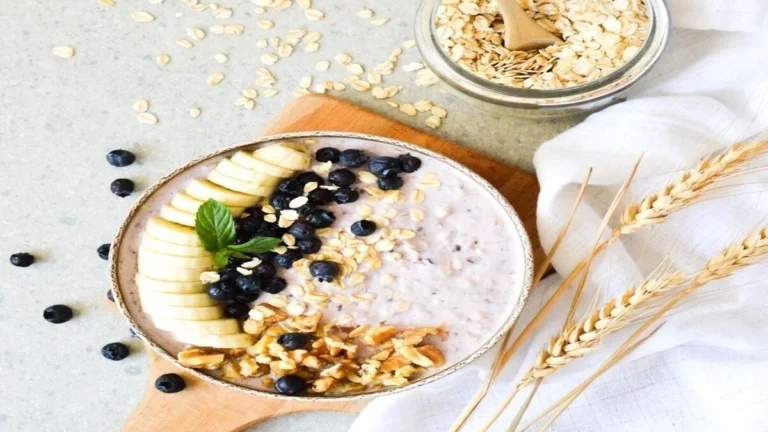
Breakfast is often when people get key blood-pressure-friendly nutrients like potassium, magnesium, calcium, and fiber, found in foods like fruit, dairy, oats, and nuts. Simple options like fruit with yogurt or oats with nuts can make a meaningful difference over time. Skipping breakfast regularly can lower your intake of these nutrients without you realizing it, which may compound the meal-timing effect over time.
How can I skip breakfast without affecting my blood pressure?
If you choose to skip breakfast, make sure you’re still getting enough potassium, magnesium, and fiber elsewhere in your day, through lunch, dinner, and snacks. For example, include vegetables, legumes, and whole grains later in the day to compensate. Keeping your overall eating pattern consistent day to day, rather than swinging unpredictably between skipping and large late meals, also matters more than the single decision to skip breakfast itself.
Conclusion
The evidence points to a consistent pattern: regularly skipping breakfast is linked to higher blood pressure over time, but it is not about a single missed meal. What matters most is your overall routine. Irregular eating patterns, poor nutrient intake, and disrupted body rhythms appear to play a larger role than breakfast alone.
If your blood pressure is stable, occasional breakfast skipping is unlikely to cause harm. However, if your readings are rising or difficult to control, improving meal consistency and nutrient quality is a simple and practical step worth trying. Rather than focusing on strict rules, aim for a balanced, predictable eating pattern that supports long-term cardiovascular health.
FAQs
Q1. Does skipping breakfast raise blood pressure?
Habitual breakfast skipping is associated with about a 20% higher likelihood of hypertension based on a meta-analysis of over 14,000 adults.
Q2. Is the blood pressure effect the same for men and women?
Not exactly, diastolic blood pressure differences were significant mainly in women and people under 18, not adult men, based on a 20-study pooled analysis.
Q3. Does skipping breakfast in pregnancy affect blood pressure?
A large Japanese cohort study is examining this link, suggesting a possible connection through circadian rhythm disruption.
Q4. Does missing one breakfast spike blood pressure right away?
No, short-term studies haven’t shown an immediate BP jump, the association reflects long-term habitual patterns, not a single missed meal.
Q5. Why does skipping breakfast affect blood pressure?
It can disrupt your body’s natural daily rhythm and raise stress hormones over time, both of which are linked to higher blood pressure patterns.
Q6. Should I never skip breakfast if I have high blood pressure?
Not necessarily, if your blood pressure is well controlled, occasional skipping isn’t automatically harmful, but it’s worth testing consistency if your readings are rising.
Q7. What breakfast nutrients help control blood pressure?
Potassium, magnesium, calcium, and fiber, commonly found in fruit, dairy, oats, and nuts, are nutrients breakfast often provides that support healthy blood pressure.
Q8. How do I skip breakfast without hurting my blood pressure?
Make sure you still get potassium, magnesium, and fiber at other meals, and keep your overall eating pattern consistent rather than unpredictable.
Call to Action
The research shows a real, long-term association between habitual breakfast skipping and higher blood pressure, but it is not a reason to panic over the occasional missed meal. If blood pressure is a concern for you, focus on consistency, overall lifestyle patterns, and nutrient quality across your day rather than treating breakfast as an all or nothing rule. I’ve covered more on how meal patterns affect metabolic health elsewhere on PharmaHealths.com.
Disclaimer
This article is for informational purposes only and is not a substitute for professional medical advice, diagnosis, or treatment. Always consult a qualified healthcare provider regarding any health concerns or before making changes to your diet.
References
• Li, Y. et al., “Skipping Breakfast Is Associated with Hypertension in Adults: A Meta-Analysis,” International Journal of Hypertension, 2022 — https://onlinelibrary.wiley.com/doi/10.1155/2022/7245223
• Association between breakfast skipping and blood pressure – a meta-analysis of 20 studies,” European Journal of Public Health, Oxford Academic — https://academic.oup.com/eurpub/article/28/suppl_4/cky218.282/5192626
• Skipping breakfast during pregnancy and hypertensive disorders of pregnancy in Japanese women,” Tohoku Medical Megabank Project, PMC — https://www.ncbi.nlm.nih.gov/pmc/articles/PMC9670553/