

Written by Aisha Saleem, Pharmacist & Health Writer at PharmaHealths.com
Last Updated: August 20, 2026
Food alone rarely fixes iron deficiency anemia once it’s set in, but it plays a bigger role than most people give it credit for, both in prevention and in supporting recovery alongside supplements.
I get asked constantly whether eating more spinach will fix low iron. The honest answer is that diet helps, but only if you know which foods actually deliver usable iron, how much you actually need, and what’s quietly working against you at the same meal.
Key Statistics on Iron and Diet
Adult women between 19 and 50 need 18 milligrams of iron daily, roughly double what adult men in the same age range require, according to the National Institutes of Health Office of Dietary Supplements. That gap widens further in pregnancy, when the recommended intake climbs to 27 milligrams a day to support the growing fetus and expanded blood volume.
Absorption differs sharply by iron type. Heme iron, found only in meat, fish, and poultry, is absorbed at a rate of roughly 15 to 35%, while non heme iron from plant sources absorbs at only 2 to 20%, based on a widely cited 2008 nutrition study. This gap matters enormously for anyone eating a plant-based diet. People following a vegan or vegetarian diet typically need around 80% more total iron intake than meat eaters to reach the same effective iron status, according to Spectrum Health Services, simply because their primary iron source absorbs so much less efficiently.
How Much Iron Do You Need Per Day?
Your daily iron requirement depends on age, sex, and life stage. Knowing your target helps you assess whether your diet is actually meeting your needs.
Infants
• 7–12 months: 11 mg
Children
• 1–3 years: 7 mg
• 4–8 years: 10 mg
• 9–13 years: 8 mg
Teenagers
• Boys (14–18 years): 11 mg
• Girls (14–18 years): 15 mg
Adults
• Men (19–50 years): 8 mg
• Women (19–50 years): 18 mg
• Adults (51+ years): 8 mg
Special Life Stages
• Pregnant women: 27 mg
• Breastfeeding women: 9–10 mg
These figures come from the National Institutes of Health Office of Dietary Supplements and represent the amount needed to maintain normal iron status in someone without diagnosed anemia. If you’ve already been told you’re iron deficient, your doctor’s recommended intake, often delivered through supplements rather than diet alone, will usually be higher than these baseline numbers.
Heme Versus Non-Heme Iron: Why the Source Matters
Not all dietary iron behaves the same way once it reaches your gut, and understanding this difference changes how you should actually build your meals.
Heme iron comes from hemoglobin and myoglobin in animal tissue, meaning it’s found in red meat, poultry, fish, and organ meats like liver. Your body absorbs heme iron efficiently, at a rate of roughly 15 to 35%, because it enters your intestinal cells through a dedicated pathway that isn’t blocked by other foods you’re eating at the same time. No heme iron, found in plant foods like lentils, beans, tofu, and leafy greens, as well as in iron fortified cereals, absorbs at a much lower rate of only 2 to 20%, and that absorption is heavily influenced by everything else on your plate.
This doesn’t mean plant sources are pointless. It means non heme iron needs help, which is exactly why pairing and timing matter so much more for anyone relying primarily on plant-based iron.
Best Iron Rich Food Sources
Building a genuinely effective iron rich diet means drawing from both heme and non heme sources rather than relying on one category alone.
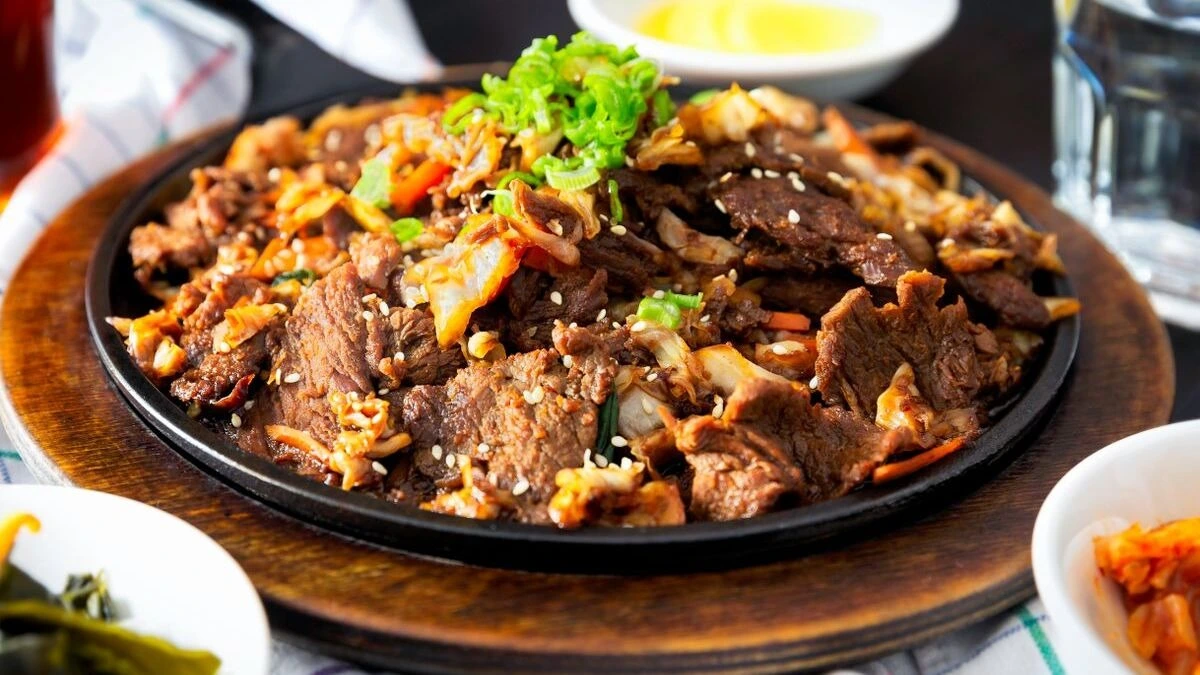
Red meat, particularly beef and lamb, along with liver and other organ meats, sit at the top of the heme iron list, and a modest serving of lean beef can provide close to half your daily iron target in one meal. Poultry and seafood, especially oysters, clams, and sardines, are strong secondary heme sources. On the plant side, lentils, chickpeas, kidney beans, and tofu offer meaningful non-heme iron, and dark leafy greens like spinach, kale, and Swiss chard contribute as well, though with the absorption caveat covered below. Iron fortified cereals, breads, and orange juice round out an easy, low effort way to add non heme iron without restructuring every meal.
What Blocks Iron Absorption
Even a genuinely iron rich meal can underperform if you’re pairing it with the wrong foods or drinks.
Tea and coffee are the most commonly cited inhibitors, since the tannins they contain bind to non heme iron and significantly reduce how much your gut actually absorbs. Calcium works similarly, competing with iron for the same absorption pathway, so a large glass of milk alongside an iron rich meal can blunt its benefit. A less commonly discussed inhibitor is oxalates, naturally occurring compounds found in some of the very vegetables people reach for to boost iron, including spinach. Spinach is often marketed as an iron powerhouse, but its oxalate content partially binds the iron within the same leaf, meaning you absorb a smaller fraction of what the nutrition label suggests. This doesn’t mean skipping spinach, since it still contributes real iron and other nutrients, but it does mean not treating it as your primary iron source if you’re actively managing anemia.
The simplest practical fix is spacing. I generally tell patients to keep tea, coffee, and calcium rich foods at least an hour away from iron rich meals or supplements, which preserves most of the absorption benefit without requiring you to give anything up entirely.
Vitamin C: Your Best Absorption Partner
If tea and calcium work against non heme iron, vitamin C works firmly in its favor.
Pairing a source of vitamin C, such as citrus fruit, bell peppers, strawberries, or tomatoes, with a non heme iron food like lentils or spinach can meaningfully increase how much iron your body actually absorbs from that meal. This is one of the easiest, lowest cost adjustments available, and it’s particularly valuable for anyone following a vegetarian or vegan diet, where non heme iron is doing most of the work.
Iron Rich Diet for Vegetarians and Vegans
Plant based eaters face a genuinely higher bar when it comes to meeting iron needs through food alone, and it’s worth being direct about that rather than glossing over it.
Because non heme iron absorbs at such a lower rate, people following a vegetarian or vegan diet typically need roughly 80% more total iron intake than someone eating meat, to end up with the same effective iron status. In practical terms, this means leaning heavily on the vitamin C pairing strategy above, prioritizing iron fortified foods where possible, and being especially consistent about spacing tea, coffee, and calcium away from meals. For anyone on a plant-based diet who’s already been diagnosed with iron deficiency anemia, diet changes alone are rarely enough to correct it and typically need to be paired with supplementation, which I cover in more detail in my article on [iron supplement dosage].
A Sample One-Day Iron Rich Meal Plan
Putting this all together into an actual day of eating makes the strategy easier to follow than a standalone food list.
For breakfast, a bowl of iron fortified cereal or oatmeal topped with fresh strawberries pairs a non heme iron source with a vitamin C boost, alongside a glass of orange juice rather than coffee or tea. Lunch could be a lentil and spinach salad with grilled chicken and a citrus vinaigrette, combining heme and non heme iron in one meal along with vitamin C from the dressing. For dinner, a lean beef stir fry with bell peppers and broccoli delivers a strong dose of heme iron alongside more vitamin C, and saving any tea or coffee for at least an hour after the meal protects the absorption you’ve built in. Snacks like hummus with red pepper strips or a handful of pumpkin seeds add small, steady non heme iron contributions throughout the day.
Conclusion
An ironbrich diet built around the right food sources, smart pairing with vitamin C, and awareness of what blocks absorption can meaningfully support your iron levels, whether you’re trying to prevent deficiency or supporting recovery from it. Diet alone often isn’t enough once anemia has developed, but it’s a foundation worth getting right either way.
Disclaimer
This article is for informational purposes only and does not constitute medical advice. Always consult a qualified healthcare provider before making significant dietary changes or starting iron supplementation, particularly if you have a diagnosed health condition.
References
• National Institutes of Health, Office of Dietary Supplements, Iron: Fact Sheet for Health Professionals — https://ods.od.nih.gov/factsheets/Iron-HealthProfessional/
• Hallberg L, Hulthén L, Prediction of dietary iron absorption: an algorithm for calculating absorption and bioavailability of dietary iron, American Journal of Clinical Nutrition — https://pubmed.ncbi.nlm.nih.gov/10648253/
• Spectrum Health Services, Iron-Rich Foods to Eat If You Have Anemia — https://www.spectrumhs.org/iron-rich-foods-to-eat-if-you-have-anemia/
• Patient.info (NHS-affiliated), Diets Suitable for People with Anaemia — https://patient.info/allergies-blood-immune/anaemia-leaflet/diets-suitable-for-people-with-anaemia
• Cleveland Clinic, How to Add More Iron to Your Diet — https://health.clevelandclinic.org/how-to-add-more-iron-to-your-diet
