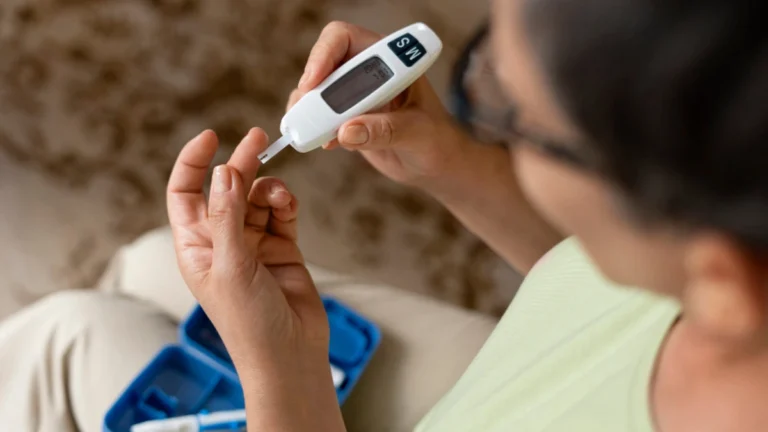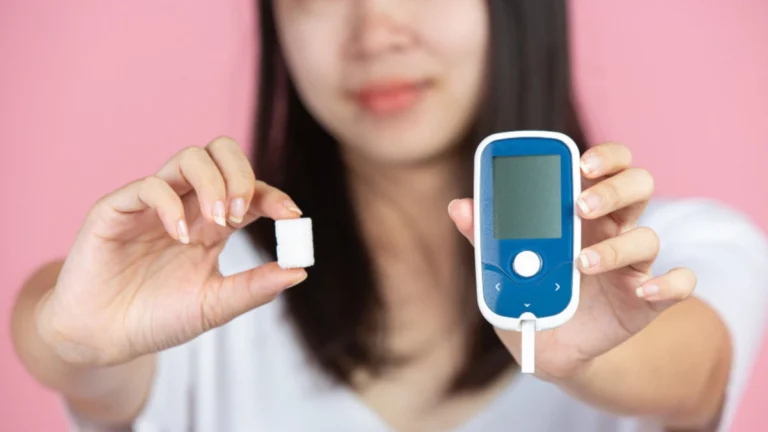

Most people focus on what they eat to manage blood sugar. However, what you do after dinner may matter just as much.
From a physiological perspective, the body doesn’t process glucose the same way throughout the day. As the evening sets in, insulin sensitivity naturally declines due to the body’s internal clock. As a result, the same meal that feels “safe” at lunch may trigger a higher glucose spike at night.
So, what can you do about it? The good news is that a few simple, science backed evening habits can make a meaningful difference, especially for people with prediabetes, diabetes, or metabolic concerns.
Let’s break it down step by step,
1. Start With a Short Walk After Dinner
To begin with, one of the simplest yet most effective strategies is light movement after eating.
When you walk, your muscles start using glucose for energy. Importantly, this process does not rely entirely on insulin. Instead, muscle contractions activate glucose transporters (GLUT-4), helping sugar move from the bloodstream into cells.
Even a 10–15-minute walk after dinner can,
• Reduce post meal glucose spikes
• Improve insulin sensitivity
• Support weight management over time
Moreover, you don’t need intense exercise. Light activities like,
• Walking around your home
• Cleaning up after meals
• Gentle stretching
Can deliver similar benefits.
In clinical practice, this is a powerful non drug strategy that complements medications and lifestyle therapy.
2. Eat Dinner Earlier (Your Body Will Thank You)
Next, let’s talk about timing, an often-underestimated factor.
Your body follows a circadian rhythm, which regulates hormones, digestion, and metabolism. As night approaches, your metabolic efficiency naturally slows down.
Consequently,
• Insulin becomes less effective
• Glucose tolerance decreases
• Digestion slows
That late night heavy meal? It’s more likely to keep your blood sugar elevated for longer.
Therefore, finishing dinner 2–3 hours before bedtime can,
• Support stable overnight glucose
• Improve morning fasting levels
• Reduce fat storage
Interestingly, research on early time restricted eating suggests that when you eat may be just as important as what you eat.
3. Add Fiber to Your Dinner Plate
In addition, your food choices in the evening can either stabilize or spike your glucose levels.
This is where fiber becomes essential.
Fiber slows down how quickly carbohydrates are broken down and absorbed. As a result, glucose enters the bloodstream more gradually, preventing sudden spikes.
For better evening control, include,
• Vegetables (especially leafy greens)
• Lentils and beans
• Whole grains like oats or brown rice
• Seeds such as flaxseed or chia
Notably, soluble fiber forms a gel like structure in the gut, which further delays sugar absorption.
A simple yet effective trick: start your meal with vegetables before moving to carbs. This small shift can significantly improve post meal glucose response.
4. Prioritize Sleep, It’s a Metabolic Reset
Equally important, sleep plays a direct role in blood sugar regulation.
Poor or irregular sleep can,
• Increase cortisol (stress hormone)
• Trigger insulin resistance
• Raise fasting blood sugar levels
Even one night of poor sleep can disrupt glucose metabolism the next day.
To improve both sleep and blood sugar,
• Stick to a consistent bedtime
• Limit screen exposure at night
• Avoid heavy meals close to bedtime
• Keep your sleep environment calm and dark
Think of sleep as your body’s overnight repair system for metabolic balance.
5. Be Mindful of Late-Night Snacking
On the other hand, late night eating can quietly undo your efforts.
Since your body is less responsive to insulin at night, sugary or refined snacks can lead to,
• Prolonged glucose elevation
• Increased fat storage
• Disrupted sleep
If you do feel hungry, choose for,
• A handful of nuts
• Plain yogurt
• A small protein rich snack
In short, it’s not about strict restriction, but smarter choices.
6. Don’t Ignore Evening Stress
Finally, stress management is often overlooked, but it directly affects blood sugar.
When you’re stressed, your body releases cortisol and adrenaline. These hormones signal the liver to release glucose into the bloodstream, even if you haven’t eaten.
Over time, chronic stress can,
• Elevate nighttime glucose
• Disrupt sleep
• Worsen insulin resistance
To counter this, consider,
• Deep breathing exercises
• Light stretching or yoga
• Journaling
• Reducing screen time before bed
Managing stress is not optional, it’s part of metabolic health.
Putting It All Together
So, what does an ideal evening routine look like?
• Eat dinner at a reasonable time
• Include fiber-rich food
• Take a short walk afterward
• Avoid unnecessary snacking
• Wind down with a consistent sleep routine
Individually, these habits seem small.
However, together, they create a powerful metabolic advantage.
The Bottom Line
Ultimately, managing blood sugar isn’t only about strict diets or medications. It’s about timing, consistency, and working with your body, not against it.
Evening habits, in particular, have a lasting impact on,
• Overnight glucose levels
• Morning energy
• Long term metabolic health
The best part? These changes are practical, sustainable, and accessible to almost everyone.
FAQs
Q1: Is walking after dinner better than morning exercise?
Both are beneficial. However, post-meal walking is especially effective for reducing immediate blood sugar spikes after eating.
Q2: Should I skip dinner to control blood sugar?
Not necessarily. Skipping meals may lead to unstable glucose levels or overeating later. A balanced, earlier dinner is usually a better approach.
Call to Action
Ready to take control of your blood sugar naturally? Start with one small change tonight, whether it’s a short walk or an earlier dinner. and build from there.
Disclaimer
This content is for educational purposes only and does not replace professional medical advice. Always consult your healthcare provider for personalized guidance, especially if you have diabetes or are on medication.
References
• EatingWell, covers expert, backed evening habits like walking, early dinner timing, fiber intake, and sleep for improving blood sugar control.
• Journal of Clinical Endocrinology & Metabolism, Explains circadian rhythm influence on insulin sensitivity and glucose metabolism.
• Diabetes Care (American Diabetes Association), Supports post meal physical activity for reducing glucose spikes.
• Nutrients Journal, Highlights the role of dietary fiber in slowing glucose absorption and improving glycemic control.
• Sleep (Oxford Academic Journal), Demonstrates the link between poor sleep, cortisol elevation, and insulin resistance.