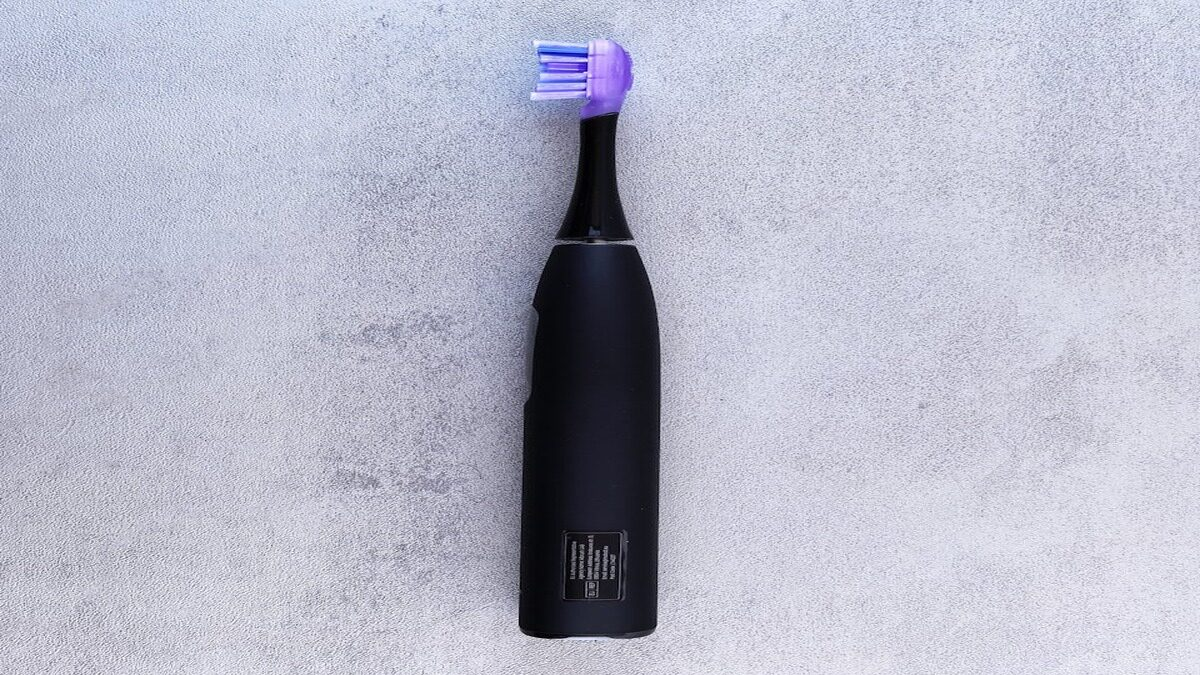

Oral hygiene may seem simple, brush twice a day, floss, and smile confidently. However, behind this daily routine lies an important question: Is an electric toothbrush truly better than a manual one, or is it simply a modern luxury?
Over the past decade, electric toothbrushes have become increasingly popular. From dental clinics to online ads, they promise deeper cleaning, healthier gums, and brighter smiles with minimal effort. But do these claims actually stand up to scientific scrutiny?
To answer that, let’s explore the advantages and disadvantages of electric toothbrushes in a balanced, practical way, without hype or fear, just clear, evidence aware reasoning.
How an Electric Toothbrush Works
Before diving into the pros and cons, it’s important to understand how electric toothbrushes function.
Unlike manual brushes, electric toothbrushes use powered movements, oscillating, rotating, vibrating, or sonic waves, to clean teeth. Instead of relying solely on your hand motion, these brushes generate thousands of micro movements per minute.
As a result, they provide consistent brushing action, which many users struggle to achieve manually.
There are two common types,
• Oscillating rotating brushes, which move in small circular motions
• Sonic brushes, which vibrate at high frequency to create fluid motion
Both aim to remove plaque more efficiently, and more evenly, across the teeth.
Advantages of Electric Toothbrushes
1. More Effective Plaque Removal
To begin with, plaque is a sticky layer of bacteria that forms constantly on teeth. If not removed, it can harden into tartar and eventually lead to cavities and gum disease.
Research shows that electric toothbrushes, particularly oscillating rotating models. tend to remove more plaque than manual brushes when used correctly. This is mainly because they deliver thousands of strokes per minute, something the human hand simply cannot replicate.
In other words, even if your brushing technique isn’t perfect, the brush’s automated movement helps compensate.
2. Improved Gum Health
Equally important, gum health plays a major role in overall oral wellness.
Many people brush too aggressively, which can damage delicate gum tissue. Fortunately, electric toothbrushes provide gentler, controlled motion, reducing the risk of overbrushing.
Moreover, many models include pressure sensors that alert you when you’re pressing too hard, an especially helpful feature for those prone to vigorous brushing.
Over time, this can lead to reduced inflammation, less bleeding, and healthier gums.
3. Easier for People with Limited Hand Mobility
Another key advantage is accessibility.
For people with arthritis, tremors, joint stiffness, or neurological conditions, brushing properly with a manual toothbrush can be difficult. Electric brushes simplify the process by doing most of the work automatically.
As a result, users only need to guide the brush along their teeth, making consistent oral hygiene easier to maintain.
4. Built in Timers Encourage Better Habits
Interestingly, most people brush for less time than they think.
Dentists recommend brushing for two full minutes, yet studies show that many stop after 45–60 seconds. Electric toothbrushes often include built-in timers and quadrant pacing, which gently prompt users to brush each area evenly.
Over time, this builds better brushing habits, without requiring conscious effort.
5. More Engaging and Motivating
Let’s be honest, brushing often feels like a chore.
Electric toothbrushes make the experience more engaging, especially for children. Some models play music, connect to smartphone apps, or offer real-time feedback.
As a result, users. especially kids, are more likely to brush regularly. And consistency, more than anything else, determines long-term oral health.
6. Surface Stain Removal and Whitening Effect
Finally, electric toothbrushes can remove surface stains from coffee, tea, and smoking more effectively than manual brushes.
Although they don’t change the natural color of your teeth, they can make them appear brighter by removing buildup that dulls enamel.
Disadvantages of Electric Toothbrushes
While electric toothbrushes offer several benefits, they are not without drawbacks.
1. Higher Cost
First and foremost, cost is a major concern.
Electric toothbrushes are significantly more expensive than manual ones. In addition, replacement brush heads, charging systems, and batteries add to the long-term expense.
For families or budget conscious users, this can be a meaningful limitation.
2. Over Reliance on Technology
Another issue is behavioral.
Some users assume that because the brush is “smart,” technique no longer matters. Unfortunately, this is not true.
If you rush, skip areas, or don’t angle the brush properly, plaque will remain, regardless of how advanced the device is.
3. Risk of Overbrushing
Although many models include pressure sensors, not all do.
When users apply excessive force, they may develop,
• Gum recession
• Tooth sensitivity
• Enamel erosion
In short, more power does not mean better cleaning. Gentle and consistent brushing is far safer.
4. Environmental Impact
Electric toothbrushes also raise environmental concerns.
They contain plastic, batteries, chargers, and electronic components, all of which contribute to waste if not recycled properly.
Compared to manual toothbrushes, their ecological footprint is often larger.
5. Travel Inconvenience
Unlike manual brushes, electric toothbrushes require charging. This can be inconvenient during travel.
A dead battery means no powered brushing, something many users forget to plan for.
6. Not Essential for Everyone
Perhaps most importantly, electric toothbrushes are not a necessity.
A manual toothbrush, used correctly for two minutes, twice daily, with proper flossing, can maintain excellent oral health.
In fact, technique matters more than technology.
What Does Science Say?
Overall, scientific reviews suggest,
• Electric toothbrushes remove slightly more plaque
• They may reduce gingivitis more effectively
• The advantage is real, but modest
In other words, electric toothbrushes are helpful, but they are not miracle tools.
Your oral health depends on a broader system that includes consistent brushing, proper technique, regular flossing, a balanced diet, and routine dental visits.
Final Verdict
Electric toothbrushes are not magic, but they are useful tools.
They improve consistency, reduce plaque, protect gums, and support better brushing habits for many people. However, they cost more, require maintenance, and may lead to complacency if users stop paying attention.
Ultimately, the best toothbrush is the one you use correctly, consistently, and consciously.
Your teeth don’t care about marketing. They care about habits.
FAQs
Q1: Are electric toothbrushes really better than manual toothbrushes?
Electric toothbrushes tend to remove slightly more plaque and may reduce gum inflammation more effectively than manual toothbrushes, especially when used correctly. However, the difference is not dramatic. A properly used manual toothbrush, brushed for two minutes, twice daily, with good technique, can be just as effective. Ultimately, consistency and technique matter more than the type of toothbrush.
Q2: Can electric toothbrushes damage gums or enamel?
Yes, they can, if used incorrectly. Applying excessive pressure, brushing too frequently, or using hard brush heads may lead to gum recession, tooth sensitivity, and enamel wear. Many modern electric toothbrushes include pressure sensors to reduce this risk. Gentle brushing is always safer than aggressive scrubbing.
Disclaimer
This article is for educational and informational purposes only and should not be considered medical or dental advice. It does not replace professional diagnosis, treatment, or consultation with a qualified dentist or healthcare provider. Always seek personalized guidance for oral health concerns.
Call to Action
Want more science backed, easy to understand health content like this?
Explore our latest articles on oral health, nutrition, and disease prevention, designed for clarity, credibility, and real-life usefulness.
References
• Cochrane Oral Health Group Reviews, found that oscillating-rotating electric toothbrushes remove more plaque and reduce gingivitis more effectively than manual brushes.
• American Dental Association (ADA), States that both electric and manual toothbrushes are effective when used correctly.
• Journal of Clinical Periodontology, Reports improved gum health outcomes with powered toothbrushes compared to manual brushing.
• British Dental Journal, Discusses the role of brushing pressure and technique in gum recession and enamel wear.
• International Journal of Dental Hygiene, Highlights the importance of brushing duration and consistency for plaque control.