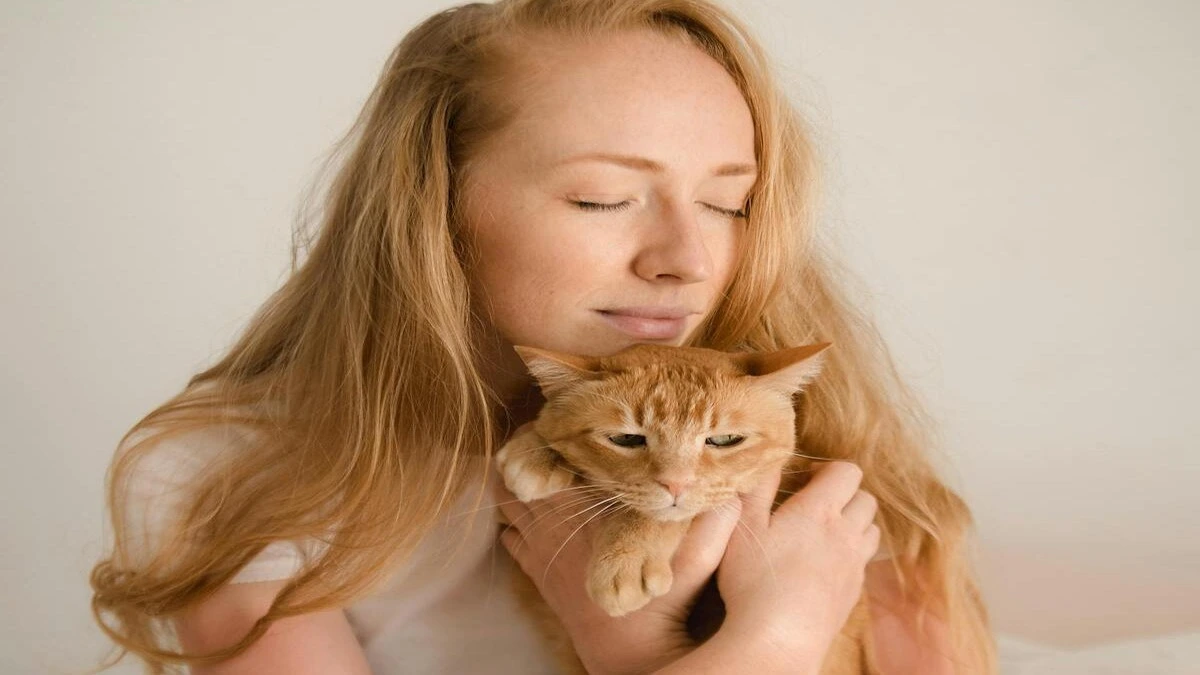

Mental health topics often attract headlines that are dramatic, simplified, and sometimes misleading. One such topic is the proposed link between cat ownership and schizophrenia. At first glance, it sounds alarming. However, when we slow down and examine the evidence carefully, the story becomes more nuanced, and far more interesting.
As healthcare professionals, we owe readers clarity, not fear. So, let’s unpack what science actually shows.
Understanding Schizophrenia
Schizophrenia is a chronic psychiatric disorder marked by symptoms such as hallucinations, delusions, disorganized thinking, social withdrawal, and impaired daily functioning. Globally, it affects roughly 1% of the population, usually emerging in late adolescence or early adulthood.
Importantly, schizophrenia is not caused by a single factor. Instead, it develops through a complex interplay of genetics, brain chemistry, immune responses, early life exposures, and environmental stressors. Family history significantly increases risk. Urban upbringing, prenatal infections, childhood trauma, and substance use are also established contributors.
In other words, schizophrenia is biologically and environmentally multifactorial. That context matters when evaluating claims about cats.
Where Did the “Cat Schizophrenia” Hypothesis Come From?
The conversation largely centers around Toxoplasma gondii, a microscopic parasite that can infect humans and many animals. Cats serve as the definitive host, meaning the parasite reproduces in their intestines and can be shed in feces.
Humans can become infected through,
• Handling contaminated litter without proper hygiene
• Eating undercooked meat
• Consuming contaminated water or unwashed produce
• Soil exposure during gardening
Therefore, although cats play a biological role in the parasite’s life cycle, they are not the only transmission route. In fact, globally, undercooked meat is considered a major source of infection.
Most people infected with T. gondii never develop symptoms. The immune system typically keeps it under control. However, in immunocompromised individuals or during pregnancy, infection can be more serious.
What Does Research Say About Toxoplasma and Schizophrenia?
Over the past two decades, researchers have explored whether exposure to T. gondii might influence mental health.
For example, a 2019 study published in Psychological Medicine found that individuals with antibodies against T. gondii were more likely to have schizophrenia compared to those without antibodies. Antibodies indicate prior exposure, not necessarily active infection.
So, what’s the possible mechanism?
Some experimental studies suggest that T. gondii may influence dopamine pathways in the brain. Dopamine dysregulation is strongly implicated in schizophrenia. In theory, chronic low-grade infection might subtly affect neurotransmitter systems.
However, and this is crucial, association does not equal causation.
Having antibodies does not prove that the parasite caused schizophrenia. It simply shows correlation. There may be shared risk factors, immune vulnerabilities, or socioeconomic variables that influence both infection risk and psychiatric outcomes.
Does Owning a Cat Increase Schizophrenia Risk?
This is where headlines often oversimplify. While some studies have observed associations between childhood cat exposure and later psychosis, others have found no significant link once confounding variables are controlled. When researchers adjust for urban living, family history, socioeconomic status, and early-life trauma, the relationship weakens considerably.
Moreover, toxoplasmosis prevalence varies widely across regions. In many countries, large portions of the population test positive for antibodies, yet schizophrenia rates remain relatively stable worldwide at about 1%. If the parasite were a major causal driver, we would expect dramatic geographic variation in schizophrenia prevalence. We do not consistently see that pattern.
Therefore, current evidence suggests that if T. gondii plays a role, it is likely one small factor among many, not a primary cause.
The Bigger Picture (Genetics and Environment)
When discussing schizophrenia risk, it is essential to prioritize the strongest evidence.
Genetics plays a major role. Having a first degree relative with schizophrenia significantly increases lifetime risk. Additionally, prenatal infections, maternal immune activation, birth complications, cannabis use in adolescence, and chronic psychosocial stress all have stronger and more consistent evidence than cat ownership.
In fact, the immune system’s role in schizophrenia is an expanding area of research. Some scientists propose that immune dysregulation, not any specific parasite, may contribute to neurodevelopmental changes.
This broader lens prevents us from focusing too narrowly on one animal species.
Potential Mental Health Benefits of Pet Ownership
Interestingly, research also shows that pets, including cats, can improve emotional well-being. Companion animals reduce loneliness, promote routine, lower stress hormones, and provide social support. For many individuals, pets enhance quality of life.
From a public health standpoint, it would be misleading to ignore these protective effects.
In fact, mental health outcomes are shaped by social connection, stability, and purpose. Pets often contribute positively to these domains.
Practical Risk Reduction (Evidence Based Hygiene)
Instead of fear-based avoidance, a rational approach involves simple preventive steps,
• Wash hands after cleaning litter boxes
• Avoid handling litter if pregnant or immunocompromised
• Cook meat thoroughly
• Wash fruits and vegetables carefully
• Use gloves while gardening
These measures significantly reduce toxoplasmosis risk.
Notably, indoor cats fed commercial diets and not hunting outdoors are less likely to acquire and shed T. gondii.
So, Should People Avoid Cats?
Based on current scientific evidence, there is no strong reason for the general population to avoid cat ownership out of fear of schizophrenia.
The relationship between T. gondii and schizophrenia remains under investigation. It is biologically plausible but not definitively causal. Even if a small association exists, schizophrenia arises from multiple converging risk factors, not a single exposure.
Public health messaging should remain balanced. Responsible pet ownership, combined with proper hygiene, minimizes infection risk. Meanwhile, the emotional and psychological benefits of companionship are well documented.
Final Thoughts
The world of psychiatric research is complex and evolving. Microbes, immunity, genetics, and environment interact in intricate ways. It is tempting to reduce that complexity to a simple headline, “Cats cause schizophrenia”, but science rarely cooperates with such simplicity.
Instead, the more accurate takeaway is this: Toxoplasma gondii may be one piece of a much larger biological puzzle. However, genetics, early development, and environmental stressors remain the dominant drivers of schizophrenia risk.
As research continues, our understanding will deepen. For now, evidence supports informed hygiene, not panic.
When we approach health topics with curiosity, balance, and scientific rigor, we replace fear with understanding. And that shift alone improves public health more than any headline ever could
FAQs
Q1: Does owning a cat cause schizophrenia?
No, Current evidence does not prove that cat ownership causes schizophrenia. Some studies show an association between prior exposure to Toxoplasma gondii and schizophrenia, but association does not mean causation. Schizophrenia develops due to multiple genetic, environmental, and neurobiological factors.
Q2: How is Toxoplasma gondii transmitted to humans?
Humans can acquire the infection through undercooked meat, contaminated water, unwashed produce, soil exposure, or handling cat litter without proper hygiene. Cats are part of the parasite’s life cycle, but they are not the only transmission route.
Q3: What did the 2019 research suggest?
A study published in Psychological Medicine reported that individuals with antibodies against T. gondii were more likely to have schizophrenia compared to those without antibodies. However, antibodies only indicate prior exposure and do not confirm the parasite caused the condition.
Q4: Should pregnant women or immunocompromised individuals avoid cats?
Not necessarily. Instead, they should avoid cleaning litter boxes if possible and follow strict hygiene practices, such as handwashing and proper food handling, to reduce infection risk.
Q5: Are there mental health benefits to owning a cat?
Yes, Companion animals can reduce loneliness, lower stress levels, and improve emotional well-being. For many individuals, pets contribute positively to mental health.
Disclaimer
This content is for educational purposes only and is based on currently available scientific evidence. It does not establish a causal relationship between cat ownership and schizophrenia. Individual health risks may vary, and medical decisions should be made in consultation with a qualified healthcare professional.
Call to Action
If you found this information helpful, consider sharing it to promote evidence-based discussions around mental health. For personalized medical advice or concerns about infection risks, consult your healthcare provider.
References
• Psychological Medicine, published research examining the association between Toxoplasma gondii antibodies and schizophrenia risk.
• Toxoplasma gondii, Scientific literature describing its transmission routes, neurobiological effects, and global prevalence.