
Written by Aisha Saleem, Pharmacist & Health Writer at PharmaHealths.com
Last Updated: July 2026
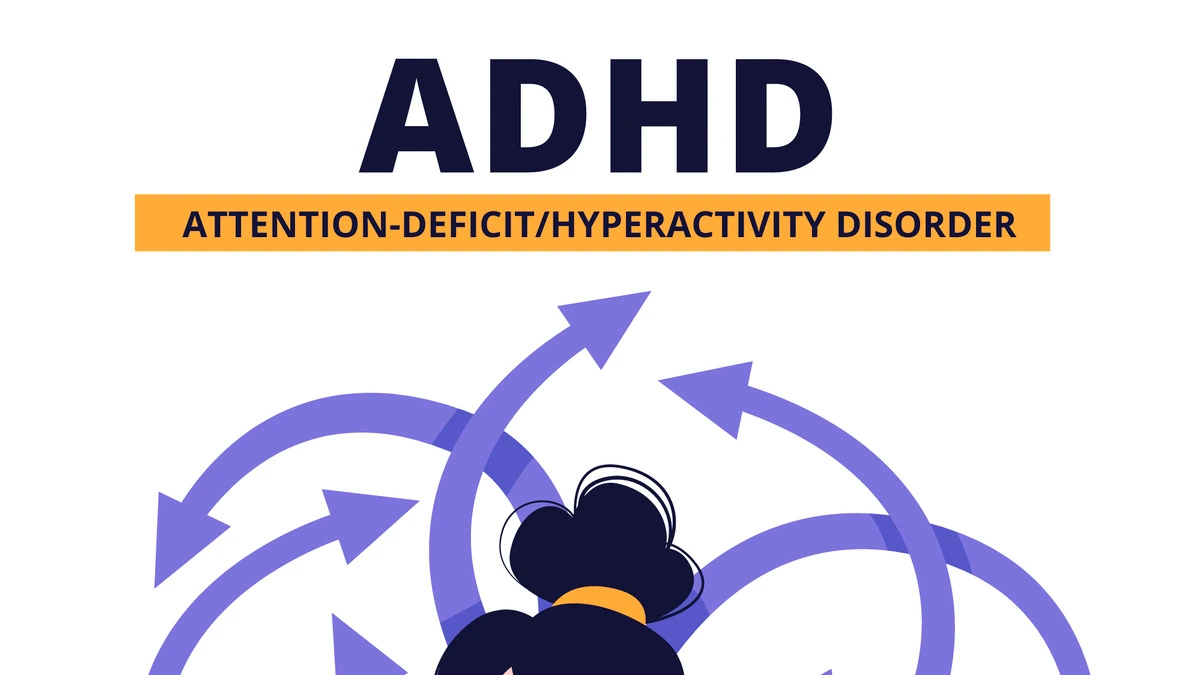
Many adults do not realize they have ADHD. They often believe they are simply disorganized, inconsistent, or not trying hard enough. In reality, the issue is neurological, not behavioral. Adult ADHD is one of the most underdiagnosed conditions in mental health, not because it is rare, but because for decades it was considered a childhood disorder that children grew out of. We now know that is wrong. Research consistently shows that ADHD persists into adulthood for a significant proportion of those affected, and that millions of adults worldwide are living with the condition without ever having received a diagnosis or appropriate treatment.
If you are an adult who suspects ADHD, has recently been diagnosed, or is trying to understand what the available treatment options actually mean in practice, this is the guide I would want you to have.
Common signs of adult ADHD include,
• Chronic procrastination despite strong intentions
• Difficulty sustaining attention in routine or low-interest tasks
• Mental restlessness or constant internal chatter
• Frequent forgetfulness in daily responsibilities
• Emotional impulsivity or low frustration tolerance
What Is ADHD in Adults and How Does It Differ from Childhood Presentations?
ADHD in adults is a neurodevelopmental condition characterized by persistent difficulties with attention regulation, impulse control, and in some people hyperactivity, though in adults this often presents as internal mental restlessness rather than the visible physical overactivity seen in children.
The reason adult ADHD goes unrecognized so frequently is that its presentation in adulthood looks different from the childhood picture most people associate with the condition. Inattention dominates over hyperactivity. Symptoms have often been partially masked by years of effortful coping strategies. And co existing conditions, anxiety, depression, low self-esteem, are common and are frequently treated while the underlying ADHD remains unaddressed.
Research published in the American Journal of Psychiatry has established that ADHD affects approximately 2.5 to 4% of adults globally, with many cases representing people whose childhood symptoms were never identified. The condition is also significantly underdiagnosed in women, whose presentations tend to be more internalized, characterized by disorganization, emotional dysregulation, and difficulty sustaining attention on unstimulating tasks rather than disruptive hyperactivity.
The consequences of untreated adult ADHD extend well beyond concentration difficulties. Research published in JAMA Psychiatry has associated undiagnosed and untreated ADHD in adults with significantly higher rates of occupational underperformance, relationship difficulties, anxiety disorders, depression, and in some populations substance misuse, underscoring the importance of identification and appropriate treatment.
How Is Adult ADHD Diagnosed?
Adult ADHD diagnosis must be carried out by a clinician with specific training and expertise in the condition, typically a psychiatrist, specialist nurse practitioner, or psychologist working in a relevant clinical setting. A general practitioner can identify concerns and make referrals but cannot typically diagnose ADHD independently.
The diagnostic assessment involves several components. A detailed clinical interview explores current symptoms across multiple domains, attention, impulsivity, organization, emotional regulation, and confirms that symptoms have been present since childhood, even if they were not recognized at the time. Evidence of functional impairment in at least two settings, such as work and home, is required. Standardized rating scales, including the Adult ADHD Self-Report Scale and the Conners’ Adult ADHD Rating Scales, are used to quantify symptom severity. Medical conditions that can mimic ADHD, including thyroid dysfunction, sleep disorders, and mood disorders, should be ruled out as part of the assessment.
Major clinical guidelines, including those from the National Institute for Health and Care Excellence, the American Psychiatric Association, and the World Federation of ADHD, are broadly consistent in their recommendations for assessment and treatment, making the clinical framework for adult ADHD a genuinely international one.
What Medications Are Used to Treat ADHD in Adults?
ADHD medications fall into two main categories, stimulants and non-stimulants. Both work by modulating dopamine and noradrenaline activity in the prefrontal cortex, the brain region responsible for executive function, sustained attention, working memory, and impulse control. Research from the National Institute of Mental Health has established that the prefrontal cortex in people with ADHD shows measurably reduced dopaminergic and noradrenergic tone, and that restoring this activity produces the clinical improvements seen with medication.
Methylphenidate, Ritalin, Concerta, Equasym, Rubifen
Methylphenidate is the most widely prescribed ADHD medication globally. It works by blocking the reuptake transporters for dopamine and noradrenaline, increasing the availability of both neurotransmitters in the synapse and thereby enhancing prefrontal cortical function.
Methylphenidate is available in immediate release formulations, typically taken two to three times daily, and modified release formulations that provide a smoother, sustained effect across the day. Modified release versions including Concerta XL and Ritalin LA are generally preferred in adults because they avoid the peaks and troughs of shorter acting preparations and reduce the administrative burden of multiple daily doses.
A systematic review and network meta-analysis published in The Lancet Psychiatry confirmed methylphenidate as one of the most effective pharmacological treatments for ADHD across all age groups, with a well-established safety and tolerability profile accumulated over decades of clinical use.
Lisdexamfetamine, Elvanse, Vyvanse Lisdexamfetamine is an amphetamine-based stimulant that is recommended as a first line option for adults with ADHD in several international guidelines. It is a prodrug, pharmacologically inactive until metabolized in the body to dexamphetamine, which produces a stable, long duration therapeutic effect with a lower potential for misuse than earlier amphetamine formulations.
The same Lancet Psychiatry meta-analysis confirmed that amphetamine-based medications including lisdexamfetamine were among the most efficacious options for adults with ADHD specifically, with adults showing a somewhat stronger response to amphetamines relative to methylphenidate compared to children. Lisdexamfetamine is taken once daily in the morning and typically provides eight to twelve hours of therapeutic coverage.
Atomoxetine, Strattera
Atomoxetine is the main non stimulant option for adults with ADHD. It is a selective noradrenaline reuptake inhibitor, working on noradrenaline rather than dopamine, and is not a controlled drug, which has practical implications for prescribing and supply in some countries.
Unlike stimulants, which can produce noticeable effects within hours of the first dose, atomoxetine requires four to six weeks of consistent use before full therapeutic benefit becomes apparent. Many patients discontinue too early because they expect immediate results, but this medication requires patience and consistent dosing to work effectively. It is recommended for patients who cannot tolerate stimulants, have a personal or family history of substance misuse, or have specific contraindications to stimulant use. Its effect on blood pressure and heart rate is generally less pronounced than stimulants, making it a consideration for patients with cardiovascular concerns.
Dexamfetamine, Dexedrine
Dexamfetamine is an older amphetamine-based stimulant used when other first-line medications are not tolerated or are ineffective. Unlike lisdexamfetamine, it requires divided doses through the day due to its shorter duration of action. It is available in several countries including the UK, Australia, and Canada.
Guanfacine and Clonidine
Guanfacine extended release and clonidine are alpha-2 adrenergic agonists used as non-stimulant adjuncts or alternatives for ADHD. They are more commonly used in children and adolescents but are sometimes used in adults where stimulants are not suitable. Their mechanism involves direct stimulation of prefrontal cortical alpha-2 receptors, improving attention and reducing impulsivity through a distinct pathway from both stimulants and atomoxetine.
Who Should Not Take Stimulant ADHD Medications?
Stimulant medications may not be suitable for individuals with,
• Uncontrolled hypertension
• Significant cardiovascular disease
• Serious cardiac arrhythmias
• A history of stimulant misuse
Certain severe anxiety presentations where symptoms may worsen
What Is the Titration Process and How Long Does It Take?
Titration is the process of finding the right medication and dose for each individual patient. It is not a one-appointment process, ADHD medication response is highly individual, and the right dose for one person may be ineffective or intolerable for another.
The standard approach involves starting at the lowest available dose and increasing gradually, typically every one to two weeks, while monitoring symptom response and side effects at each step. Symptom rating scales should be used at regular intervals to track change objectively rather than relying on subjective recall alone. Most titration protocols for stimulants take four to twelve weeks to reach a stable maintenance dose. Atomoxetine titration takes longer, typically six to twelve weeks before full effect is established.
Key principles during titration include taking medication consistently as directed rather than on and off, communicating any side effects promptly to the prescribing clinician, and not judging the final outcome at the first dose level tried.
What Are the Side Effects of ADHD Medication in Adults?
The most common side effects of stimulant ADHD medications include appetite suppression, particularly in the middle of the day, insomnia if taken too late in the day, elevated heart rate and blood pressure, dry mouth, and in some patients increased anxiety or irritability.
Cardiovascular monitoring is a clinical requirement before and during stimulant treatment. Blood pressure and heart rate should be checked at baseline and after each dose adjustment. Stimulant medications are generally not recommended in patients with significant uncontrolled hypertension, serious cardiac arrhythmias, or structural cardiac conditions. A baseline cardiovascular assessment is standard before initiating treatment.
Most side effects are dose dependent and manageable through dose adjustment or timing changes. Taking medication earlier in the day, ensuring adequate food intake despite reduced appetite, and using modified-release rather than immediate-release formulations where available are the most practical management strategies.
Atomoxetine carries different side effect considerations, nausea and fatigue are more common initially, sexual dysfunction has been reported, and there is a rare but important risk of liver toxicity that warrants monitoring.
What Non-Medication Treatments Support Adult ADHD?
Medication is the most effective single intervention for adult ADHD in terms of direct symptom reduction, but it works best as part of a broader treatment approach.
NICE, the American Psychiatric Association, and the World Federation of ADHD all recommend that medication be combined with psychoeducation and structured psychological support. Cognitive Behavioral Therapy adapted for ADHD has the strongest evidence base among psychological interventions, with a meta-analysis published in the Journal of Attention Disorders confirming significant improvements in ADHD symptoms, emotional regulation, and daily functioning when CBT was added to medication.
Practical environmental and behavioral strategies, structured routines, external organizational systems, breaking tasks into smaller components, reducing environmental distractors, are not alternatives to clinical treatment but meaningful complements to it.
Aerobic exercise has an emerging evidence base as an adjunct for ADHD. Research published in Neuroscience and Biobehavioral Reviews found that regular aerobic exercise increased dopamine and noradrenaline availability in the prefrontal cortex through mechanisms that partially overlap with those of stimulant medication, making it a neurobiologically rational component of a comprehensive ADHD management plan rather than simply a lifestyle recommendation.
Does ADHD Medication Help Adults in the Long Term?
Yes, when the right medication and dose is established, the evidence for long-term benefit is meaningful. Large registry studies from Scandinavia published in The Lancet found that ADHD medication use was associated with significantly reduced risks of major adverse outcomes including traumatic injury, substance misuse, depression, and all-cause mortality over follow-up periods of several years.
ADHD medication is not curative, it manages symptoms while it is active in the system, and effects reduce when a dose wears off. For many adults, this means medication is a long-term component of managing the condition rather than a short-term course. This is not a sign of dependence. It is the nature of a condition whose neurobiological substrate does not change without treatment.
The question of whether to continue medication long-term should be reviewed periodically with a prescriber, there is no universal answer, and some adults manage well with structured breaks or reduced doses at certain life stages.
Conclusion
Adult ADHD is not a character flaw, a lack of willpower, or something that should have been grown out of by now. It is a neurobiological condition with a well-established evidence base for treatment, and for the right patient, the right medication genuinely changes daily life in a way that years of compensating, apologizing, and struggling through tasks could never achieve.
The medications available are effective. The diagnostic process is structured. The non-medication support that complements treatment is meaningful. What stands between most adults with ADHD and an appropriate diagnosis is usually not the absence of solutions, it is the absence of information.
If this article reflects your experience, consider discussing a formal ADHD assessment with a qualified clinician. Early evaluation can prevent years of unnecessary struggle and open the door to effective, evidence-based treatment.
FAQs
Q1. How is adult ADHD diagnosed?
Adult ADHD diagnosis requires a structured clinical assessment by a specialist with expertise in ADHD, typically a psychiatrist, specialist nurse, or psychologist. The assessment covers current symptoms across multiple domains, confirms childhood onset, establishes functional impairment in at least two settings, and rules out other explanations. A general practitioner can raise concerns and make referrals but cannot typically diagnose ADHD independently.
Q2. What is the most effective medication for adults with ADHD?
The Lancet Psychiatry network meta-analysis, the largest comparative study of ADHD medications, found that amphetamine-based medications including lisdexamfetamine were the most efficacious options specifically for adults, with methylphenidate also strongly evidenced. The right choice depends on individual clinical factors, tolerability, access, and prescriber assessment. There is no single universally superior option, both are first line in major international guidelines.
Q3. How does ADHD medication make you feel if you actually have ADHD?
Most adults with ADHD who respond well to medication describe it not as stimulation but as a reduction in mental noise, thoughts feel less scattered, tasks feel more approachable, and sustained attention becomes possible in a way it previously was not. Many describe it as feeling calmer and more organized rather than more energized.
Q4. Is ADHD medication addictive?
Stimulant medications have a potential for misuse in people without ADHD, which is why they are controlled substances in most countries. In adults with genuine ADHD, therapeutic use does not produce the dopamine surge associated with misuse, the drug is filling a deficit rather than exceeding normal levels. Research suggests that appropriate ADHD treatment is associated with reduced rather than increased risk of subsequent substance misuse.
Q5. What is the difference between stimulant and non-stimulant ADHD medication?
Stimulants block the reuptake of dopamine and noradrenaline and typically produce noticeable effects within hours of the first dose. Non-stimulants primarily work on noradrenaline and take four to six weeks to reach full therapeutic effect. Stimulants are generally more rapidly effective but carry a higher potential for misuse and more cardiovascular side effects. Non-stimulants are preferred when stimulants are not tolerated or when substance misuse history is a clinical concern.
Q6. How long does ADHD medication titration take?
Stimulant titration typically takes four to twelve weeks to find the right dose, involving gradual increases every one to two weeks with symptom and side effect monitoring at each stage. Atomoxetine titration takes longer, with full therapeutic effect not established until six to twelve weeks of consistent use.
Q7. Can adults with ADHD function without medication?
Some adults with milder presentations manage effectively with structured environmental strategies, CBT, exercise, and strong support systems without medication. For most adults with moderate to severe ADHD, medication produces a level of symptom management that behavioral strategies alone cannot replicate.
Call to Action
If this article has helped you understand adult ADHD and its treatment options more clearly, the mental health section at PharmaHealths.com covers the conditions most likely to sit alongside it. Anxiety and depression are among the most common ADHD comorbidities, and I have written detailed guides on both, including why antidepressants sometimes stop working and how to approach treatment when standard options have not delivered enough relief. All content is written from a pharmacist’s perspective, evidence based, clearly explained, and designed to help you ask better questions at your next clinical appointment.
Disclaimer
This article is for general informational and educational purposes only and does not constitute medical advice, a diagnosis, or a treatment recommendation. ADHD diagnosis and medication initiation must be carried out by a qualified specialist. Access to specific medications varies by country, and availability, prescribing rules, and clinical pathways differ significantly across healthcare systems. Never start, stop, or change ADHD medication without medical supervision.
References
• Cortese S et al. Comparative efficacy and tolerability of medications for attention-deficit hyperactivity disorder in children, adolescents, and adults: a systematic review and network meta-analysis. The Lancet Psychiatry. 2018. https://www.thelancet.com/journals/lanpsy/article/PIIS2215-0366(18)30269-4/fulltext
• Faraone SV et al. The World Federation of ADHD International Consensus Statement: 208 evidence-based conclusions about the disorder. Neuroscience and Biobehavioral Reviews. 2021. https://www.sciencedirect.com/science/article/pii/S0149763421000683
• Kessler RC et al. The prevalence and correlates of adult ADHD in the United States. American Journal of Psychiatry. 2006. https://ajp.psychiatryonline.org/doi/10.1176/ajp.2006.163.4.716
• Barbaresi WJ et al. Mortality, ADHD, and psychosocial adversity in adults with childhood ADHD. Pediatrics. 2013. Referenced via JAMA Psychiatry data on long-term ADHD outcomes. https://jamanetwork.com/journals/jamapsychiatry
• American Psychiatric Association. Diagnostic and Statistical Manual of Mental Disorders Fifth Edition Text Revision DSM-5-TR. 2022. https://www.psychiatry.org/psychiatrists/practice/dsm
• National Institute for Health and Care Excellence. Attention Deficit Hyperactivity Disorder: Diagnosis and Management. NICE Guideline NG87. https://www.nice.org.uk/guidance/ng87
• National Institute of Mental Health. Attention-Deficit/Hyperactivity Disorder. https://www.nimh.nih.gov/health/topics/attention-deficit-hyperactivity-disorder-adhd
• Journal of Attention Disorders. Cognitive behavioral therapy for adult ADHD: meta-analysis. https://journals.sagepub.com/home/jad
• Neuroscience and Biobehavioral Reviews. Exercise as an adjunct treatment for ADHD: neurobiological mechanisms. https://www.journals.elsevier.com/neuroscience-and-biobehavioral-reviews
• The Lancet. Long-term outcomes of ADHD medication use: Scandinavian registry study. https://www.thelancet.com