
Written by Aisha Saleem, Pharmacist & Health Writer at PharmaHealths.com
Last Updated: July 11, 2026
Are Oats Good for Diabetics?
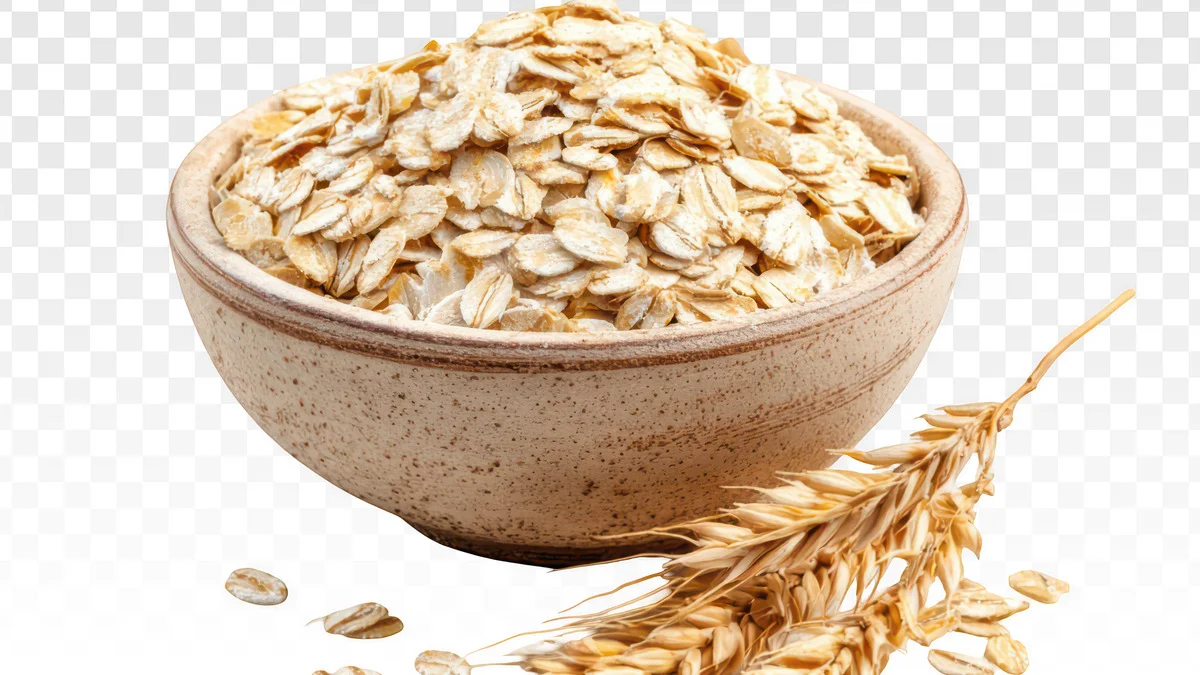
Yes, oats are generally a good choice for diabetics because they contain a soluble fiber called beta-glucan, which slows digestion and reduces the blood glucose spike that would otherwise follow a carbohydrate heavy meal. Plain oats, especially steel cut or rolled varieties, tend to work far better for blood sugar control than heavily processed instant versions.
If you often notice your blood sugar rising quickly after breakfast, the type of carbohydrates you choose, especially oats, can make a meaningful difference.
I get asked about oatmeal often, mostly because it has a reputation as a “healthy breakfast” without much explanation of why that applies specifically to diabetes. The answer comes down almost entirely to one ingredient.
How Does Beta-Glucan in Oats Help Control Blood Sugar?
Beta-glucan is a soluble fiber in oats that forms a thick, gel-like substance in the gut, which slows down how quickly glucose from a meal enters the bloodstream. This gel also slows gastric emptying, meaning food stays in your stomach longer, which further reduces how sharply blood sugar rises after eating.
A systematic review and meta-analysis published in the European Journal of Clinical Nutrition by Zurbau and colleagues found that adding oat beta-glucan to carbohydrate containing meals reduced the post meal blood glucose response, with larger doses and higher molecular weight beta-glucan producing stronger effects. This dose dependent relationship is worth knowing, because it explains why not all oat products deliver the same benefit.
Do Oats Actually Improve Long-Term Blood Sugar Control in Diabetes?
Yes, regular oat consumption appears to modestly improve markers of long-term glycemic control in people who already have diabetes, not just the immediate post-meal response. A systematic review and meta-analysis published in BMJ Open Diabetes Research & Care by Chen and colleagues found that oats and oat beta-glucan produced small but consistent improvements in fasting blood glucose and other glycemic markers in adults with type 2 diabetes, even when added on top of their existing treatment.
This matters because it shows oats aren’t just useful for blunting a single meal’s glucose spike. Consistent intake over time seems to contribute to steadier overall control, which is the more meaningful outcome for day-to-day diabetes management.
Do All Types of Oats Work the Same Way for Blood Sugar?
No, different forms of oats affect blood sugar quite differently depending on how heavily they’ve been processed. Steel cut oats and rolled oats retain more of their structure and beta-glucan content, which slows digestion effectively, while instant oats are processed into smaller particles that break down and raise blood sugar more quickly.
For example, steel cut oats typically have a lower glycemic index (around 50–55), while instant oats can be significantly higher (often above 70), which explains the faster rise in blood sugar.
Flavored instant oat packets are a particular concern, since many contain added sugar on top of the faster digesting oat base, which compounds the glucose spike. I generally recommend plain steel-cut or rolled oats prepared at home, so you control exactly what goes into the bowl.
How Should Diabetics Prepare Oats to Avoid a Blood Sugar Spike?
Cooking oats with protein or healthy fat, such as milk, yogurt, nuts, or seeds, slows digestion further and helps flatten the glucose response compared to eating oats plain with just water. Adding cinnamon or a small portion of fruit for natural sweetness is a reasonable alternative to sugar or honey, which can otherwise undo much of the benefit oats provide.
For example, a bowl of steel cut oats with yogurt and nuts will usually produce a steadier blood sugar rise compared to instant oats prepared with sugar or honey alone.
Portion size also matters. A serving of about half a cup of dry oats, cooked with water or milk, is a reasonable starting point for most adults with diabetes, though this should be adjusted based on your own blood sugar readings and overall carbohydrate targets.
Can Oats Cause Any Problems for Diabetics?
Oats are generally well tolerated, but eating a very large portion in one sitting, or relying on heavily sweetened instant varieties, can still raise blood sugar more than expected. If you’re on medication that lowers blood sugar, a significant increase in fiber intake from oats could occasionally affect your glucose readings, so it’s worth monitoring as you make changes and discussing anything significant with your doctor or pharmacist.
Bringing It Together
Plain steel cut or rolled oats, prepared simply and paired with protein or healthy fat, are one of the more evidence-backed breakfast choices I recommend for blood sugar management. The type of oats and how you prepare them matter just as much as the fact that they’re oats in the first place.
In simple terms, oats can support better blood sugar control when you choose less processed forms, watch portions, and combine them with protein or healthy fats.
FAQs
Q1: Is oatmeal good for diabetes and blood sugar control?
Yes, plain oatmeal made from steel cut or rolled oats generally supports blood sugar control well, though heavily processed instant oats or those paired with high glycemic foods can reduce this benefit.
Q2: How does oatmeal work to lower blood sugar in type 2 diabetics?
Oatmeal’s soluble fiber, beta-glucan, forms a gel in the gut that slows digestion and glucose absorption, producing a steadier rise in blood sugar rather than a sharp spike.
Q3: How can I prepare instant oats so they don’t spike blood sugar too much?
Choosing steel-cut or rolled oats over heavily processed instant varieties, and pairing them with protein or healthy fat like yogurt or nuts, helps slow digestion and reduce the glucose spike.
Q4: Can diabetics include oats in their diet?
Yes, oats can be a healthy regular addition for most people with diabetes, though individual blood sugar responses vary, so monitoring your own readings after eating them is worthwhile.
Q5: How much oatmeal can a diabetic eat per day?
About half a cup of dry oats per serving is a reasonable starting point for most adults with diabetes, adjusted based on individual carbohydrate targets and blood sugar monitoring.
Q6: Do oats interact with diabetes medication?
There’s no known direct interaction, but a significant increase in fiber intake from oats can sometimes affect blood sugar readings, so it’s worth discussing meaningful dietary changes with your doctor or pharmacist.
Call to Action
If you’re building a broader high-fiber approach to blood sugar management, I’ve put together a complete guide on the Best High Fiber Foods for Diabetes, along with articles on chickpeas, lentils, kidney beans (rajma), whole wheat versus refined flour, and mixed flour atta blends for diabetes management.
That completes full cross-linking across all six pieces in the cluster. With this, the high-fiber/legumes-for-diabetes cluster is done: pillar plus five spokes (chickpeas, lentils, rajma, whole wheat vs refined flour, oats, and mixed flour atta), all pointing to the pillar and to each other where relevant.
Disclaimer
This article is for educational purposes only and does not replace professional medical advice. Always consult your physician or a registered dietitian before making significant dietary changes, especially if you take medication for diabetes.
References
• European Journal of Clinical Nutrition — Zurbau et al., The Effect of Oat β-Glucan on Postprandial Blood Glucose and Insulin Responses: A Systematic Review and Meta-Analysis
• BMJ Open Diabetes Research & Care — Chen et al., Effect of Oats and Oat β-Glucan on Glycemic Control in Diabetes: A Systematic Review and Meta-Analysis of Randomized Controlled Trials