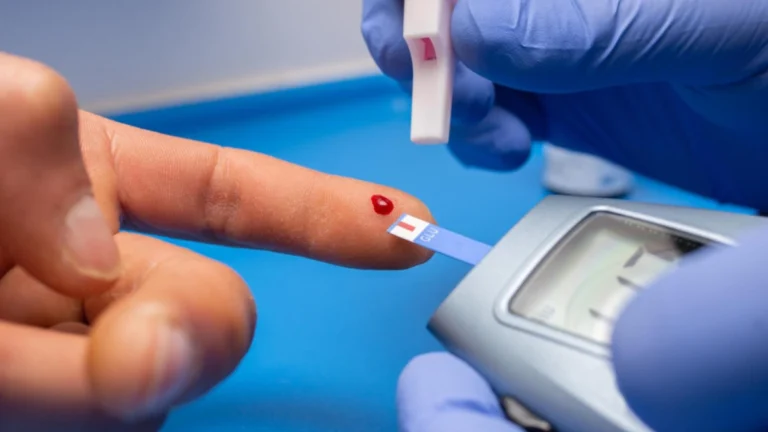

Vitamin E is often promoted as a powerful antioxidant that protects the body from oxidative damage. Since oxidative stress plays a role in type 2 diabetes, it may seem logical to assume that vitamin E supplements could improve blood sugar control.
At first glance, that idea sounds convincing. However, when we move from theory to clinical evidence, the picture becomes more complex. As a pharmacist, I often remind readers that biological plausibility does not always translate into real world benefit. In the case of vitamin E and diabetes, the difference between food-based intake and high dose supplementation is critical. So, let’s break this down clearly.
Why Vitamin E Looked Promising for Diabetes
To begin with, type 2 diabetes is strongly linked to oxidative stress. Chronic high blood glucose increases the production of reactive oxygen species, unstable molecules that damage cells and contribute to inflammation.
Because vitamin E is a fat-soluble antioxidant, researchers hypothesized that it could,
• Reduce oxidative stress
• Improve insulin sensitivity
• Lower inflammation
• Protect blood vessels
On paper, this made sense. If oxidative stress contributes to insulin resistance, then reducing oxidative stress might improve metabolic control.
Yet science requires more than logical reasoning. It requires consistent clinical results.
What the Research Actually Shows
When large clinical trials evaluated vitamin E supplementation in people with type 2 diabetes, the results were inconsistent.
Some small studies showed mild improvements in insulin sensitivity. However, larger and better designed trials did not consistently demonstrate meaningful reductions in,
• HbA1c
• Fasting blood glucose
• Diabetes related complications
In other words, the theoretical mechanism was attractive. The measurable outcomes were underwhelming.
Therefore, vitamin E supplements cannot be considered a reliable treatment for diabetes control.
This distinction is important. Nutrients play roles in physiology, but not every nutrient becomes a therapeutic tool.
The Bigger Issue (Diabetes Is a Metabolic Disorder)
To understand why vitamin E falls short, we need to look at the core of type 2 diabetes.
Type 2 diabetes is primarily a disorder of, Insulin resistance
• Beta cell dysfunction
• Excess visceral fat
• Impaired glucose transport
• Chronic low-grade inflammation
While oxidative stress contributes to the process, it is not the root driver. The main drivers are energy imbalance and metabolic dysfunction.
For example, skeletal muscle activity increases GLUT4 transporter movement to the cell surface. This allows glucose to enter muscle cells more efficiently, independent of insulin. That is why regular physical activity significantly improves blood sugar control.
Similarly, modest weight reduction, even 5 to 10 percent of body weight, improves insulin sensitivity and reduces liver fat.
These interventions directly change metabolic architecture.
In contrast, taking an antioxidant supplement does not fundamentally alter energy balance, muscle glucose uptake, or pancreatic function.
That is why diabetes management depends on metabolic fundamentals rather than single nutrient solutions.
Safety Concerns with High Dose Vitamin E
Beyond limited effectiveness, safety must also be considered.
High dose vitamin E supplementation (often defined as 400 IU per day or more) has been associated with potential risks.
First, vitamin E can interfere with vitamin K dependent clotting factors. As a result, it may increase bleeding risk. This becomes particularly relevant because many individuals with diabetes are already taking,
• Aspirin
• Clopidogrel
• Warfarin
• Direct oral anticoagulants
Adding high dose vitamin E without medical supervision may increase the risk of bruising or bleeding complications.
Second, some meta-analyses have suggested that very high doses of vitamin E may slightly increase the risk of hemorrhagic stroke. While the absolute risk remains small, it is not negligible, especially in individuals already at cardiovascular risk.
Third, large analyses have shown a possible small increase in all-cause mortality with very high doses of vitamin E supplementation. Although the mechanism remains unclear, excessive antioxidant intake may disrupt normal redox signaling.
This brings us to an important biological principle.
The Body Needs Balance, Not Excess
Oxidative processes are not purely harmful. The body uses controlled oxidative signaling for immune defense, cellular communication, and metabolic adaptation.
Exercise, for example, temporarily increases oxidative stress. Yet this mild stress stimulates beneficial adaptations, improving insulin sensitivity and mitochondrial function.
If antioxidants are taken in very high doses, they may blunt these adaptive signals.
Therefore, the goal is not to eliminate oxidative stress completely. The goal is regulation.
Food Based Vitamin E Is Different

It is also essential to separate dietary vitamin E from supplements.
Vitamin E naturally occurs in foods such as,
• Almonds
• Spinach
• Avocado
• Vegetable oils
When consumed through whole foods, vitamin E comes in balanced amounts alongside fiber, polyphenols, healthy fats, and other micronutrients. These components work synergistically.
In contrast, high dose capsules deliver isolated alpha tocopherol in concentrations far above physiological intake.
There is no evidence that normal dietary intake of vitamin E harms people with diabetes. On the contrary, a balanced diet rich in whole foods supports overall metabolic health.
The concern lies primarily with high dose supplementation.
Why Supplement Hype Persists
Supplement marketing often relies on reductionist logic,
• Oxidative stress is bad.
• Vitamin E reduces oxidative stress.
• Therefore, vitamin E must improve diabetes.
However, human physiology is not that linear. Chronic diseases are multifactorial. They involve hormonal regulation, energy metabolism, genetics, lifestyle patterns, and environmental factors. No single antioxidant corrects that complexity.
Unfortunately, simple narratives sell better than nuanced science.
What Truly Improves Diabetes Outcomes
Instead of focusing on antioxidant mega doses, evidence consistently supports,
• Calorie balance
• Resistance and aerobic exercise
• High fiber, minimally processed diets
• Weight management
• Blood pressure and lipid control
• Appropriate pharmacotherapy
These strategies reduce insulin resistance at its source.
• They improve mitochondrial efficiency.
• They reduce hepatic glucose output.
• They enhance muscle glucose uptake.
That is metabolic repair, not symptom masking.
Final Takeaway
Vitamin E is an essential nutrient with antioxidant properties. However, current evidence does not support high dose supplementation as an effective strategy for diabetes control.
More importantly, high doses may carry bleeding and cardiovascular risks, especially in individuals taking blood thinners.
Therefore, diabetes management should focus on metabolic fundamentals, not supplement hype,
• Balanced nutrition? Yes.
• Unsupervised mega doses? No.
In medicine, sustainable physiology always
outperforms quick fixes.
Frequently Asked Questions (FAQs)
Q1: Can vitamin E supplements lower blood sugar in people with diabetes?
Current large scale clinical studies do not show consistent or clinically meaningful reductions in HbA1c or fasting glucose with vitamin E supplementation. While small trials suggested minor improvements, the overall evidence does not support routine use for glycemic control.
Q2: Is vitamin E from food safe for people with diabetes?
Yes, Vitamin E from whole foods such as almonds, sunflower seeds, spinach, and vegetable oils is safe and beneficial as part of a balanced diet. The concern primarily involves high dose supplements, not dietary intake.
Q3: What dose of vitamin E is considered high?
Doses of 400 IU (approximately 268 mg of alpha-tocopherol) or higher per day are generally considered high and have been associated in some studies with increased bleeding risk and possible cardiovascular concerns.
Q4: Why can vitamin E increase bleeding risk?
Vitamin E can interfere with vitamin K dependent clotting pathways. This may increase bleeding risk, especially in individuals taking aspirin, clopidogrel, warfarin, or other anticoagulants.
Q5: Should people with diabetes avoid vitamin E completely?
No. Dietary vitamin E is important for normal health. However, high dose supplementation should only be used under medical supervision, particularly in patients with cardiovascular risk or those on blood thinning medications.
Disclaimer
This article is for educational purposes only and does not replace personalized medical advice. Always consult a licensed healthcare professional before starting, stopping, or modifying any supplement or medication, especially if you have diabetes or are taking blood thinners.
Call to Action
If you or your patients are considering vitamin E supplements for diabetes management, pause before starting. Review current medications, assess bleeding risk, and discuss the evidence with a qualified healthcare professional.
Sustainable metabolic strategies, including balanced nutrition, physical activity, and evidence-based therapy, remain the foundation of safe and effective diabetes care.
Share this article with anyone who believes antioxidants alone can “fix” blood sugar. Evidence based awareness prevents unnecessary risks.
References
• Annals of Internal Medicine. Meta analysis examining high dose vitamin E and all-cause mortality; found potential increased risk at ≥400 IU/day.
• JAMA (Journal of the American Medical Association), Analysis of vitamin E supplementation and stroke risk, noting increased hemorrhagic stroke risk at higher doses.
• Diabetes Care, Clinical trials evaluating antioxidant supplementation effects on insulin sensitivity and glycemic control.
• American Diabetes Association (Standards of Care), Evidence based recommendations emphasizing lifestyle and pharmacologic therapy over routine antioxidant supplementation.
• National Institutes of Health (Office of Dietary Supplements), Safety data and upper intake levels for vitamin E.