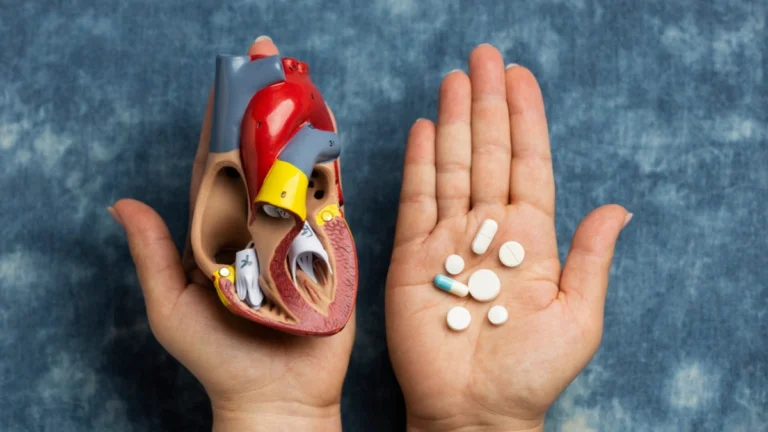

Erectile dysfunction (ED) is a condition that affects millions of men worldwide, leading to difficulties in achieving or maintaining an erection. Importantly, whether it’s due to age, health issues, or psychological factors, this common issue can significantly impact quality of life and self-esteem. Fortunately, advancements in medicine have led to the development of effective treatments, most notably Viagra (sildenafil) and Cialis (tadalafil).
In this article, we’ll delve into how these medications work, their unique benefits, and the scientific evidence supporting their use.
Understanding Erectile Dysfunction
Erectile dysfunction can stem from various causes, including cardiovascular disease, Type 2 Diabetes, hormonal imbalances, and psychological factors such as stress or anxiety. In fact, ED is increasingly recognized as an early marker of endothelial dysfunction and vascular disease.
As a result, as men age, these contributing factors often become more pronounced. Nevertheless, many men can regain confidence and improve quality of life through evidence-based treatments like Viagra and Cialis.
Viagra (Sildenafil)
Viagra, the first oral treatment for ED, was introduced by Pfizer in the late 1990s. Its active ingredient, sildenafil, works by relaxing blood vessels in the penis, allowing increased blood flow during sexual arousal. Consequently, this leads to a stronger and more sustainable erection.
How Does It Work?
Sildenafil belongs to a class of drugs called phosphodiesterase type 5 (PDE5) inhibitors. Mechanistically, by inhibiting the PDE5 enzyme, sildenafil increases levels of cyclic guanosine monophosphate (cGMP), which promotes smooth muscle relaxation and vasodilation.
Importantly, this pathway is nitric oxide, dependent and is activated only during sexual stimulation, ensuring that the drug enhances, but does not initiate, an erection.
Recent Evidence
Recent studies have further reinforced Viagra’s efficacy. For example, a 2023 systematic review published in the Journal of Sexual Medicine analyzed data from over 10,000 participants and found that sildenafil significantly improved erection quality in more than 70% of men, regardless of underlying cause.
Moreover, additional pooled analyses suggest consistent benefits across age groups and comorbid conditions, highlighting sildenafil’s role as a reliable first line therapy.
Cialis (Tadalafil)
Cialis, developed by Eli Lilly, offers a slightly different therapeutic profile. The active ingredient, tadalafil, shares a similar mechanism with sildenafil but differs pharmacokinetically. As a result, it may be more suitable for certain lifestyles.
How Does It Work?
Like Viagra, tadalafil inhibits PDE5, thereby enhancing blood flow to the penile tissue. However, tadalafil has a longer half-life (~17.5 hours), which explains its prolonged duration of action.
Consequently, its effects can last up to 36 hours, allowing greater spontaneity. In addition, this extended window reduces the need for precise timing before sexual activity.
Recent Evidence
A 2022 study published in Andrology demonstrated the effectiveness of tadalafil in men with both psychogenic and organic ED. Specifically, around 80% of participants reported improved erectile function after 12 weeks of treatment.
Furthermore, long term studies indicate high tolerability and patient satisfaction, particularly with low dose daily regimens.
Comparing Viagra and Cialis
Both Viagra and Cialis are highly effective, yet their differences can influence treatment choice. Therefore, understanding these distinctions is essential.
• Onset of Action: Viagra typically works within 30–60 minutes. Similarly, Cialis may begin working in about 30 minutes, though its onset can be more gradual.
• Duration: Sildenafil lasts approximately 4–6 hours. In contrast, tadalafil remains effective for up to 36 hours.
• Dosage Options: Viagra is generally used on demand. Meanwhile, Cialis offers both on demand and once-daily dosing, providing continuous therapeutic coverage.
Which One is Right for You?
Choosing between Viagra and Cialis depends largely on lifestyle, frequency of sexual activity, and individual response.
For instance, men seeking a short acting, on demand option may prefer Viagra. On the other hand, those who value flexibility and spontaneity may benefit more from Cialis.
Ultimately, patient-specific factors, including comorbidities, concurrent medications, and tolerability, should guide the decision.
Conclusion
Erectile dysfunction is a common yet manageable condition. Encouragingly, medications like Viagra and Cialis have transformed its treatment landscape.
Taken together, current evidence supports both drugs as effective and generally safe options for restoring erectile function.
However, individualized medical advice remains essential. Consulting a healthcare professional ensures the safest and most appropriate treatment approach.
FAQs
Q1. What are Viagra and Cialis used for?
Viagra and Cialis are both medications used to treat erectile dysfunction (ED) by improving blood flow to the penis during sexual arousal.
Q2. How do Viagra and Cialis work?
Both medications are phosphodiesterase type 5 (PDE5) inhibitors. They increase blood flow to the penis by inhibiting the PDE5 enzyme, facilitating an erection when combined with sexual stimulation.
Q3. How long do the effects of Viagra and Cialis last?
Viagra typically lasts for about 4–6 hours, while Cialis can be effective for up to 36 hours.
Q4. When should I take Viagra or Cialis?
Viagra is usually taken about 30–60 minutes before sexual activity, while Cialis can be taken on an as needed basis or daily for continuous use.
Q5. Are there any side effects?
Common side effects include headaches, flushing, nasal congestion, and dyspepsia. In rare cases, visual disturbances or hypotension may occur, especially when combined with nitrates.
Disclaimer
This article is for informational purposes only and should not be considered medical advice. Always consult with a healthcare professional before starting any new medication or treatment for erectile dysfunction.
Call to Action
If you’re experiencing erectile dysfunction, don’t delay seeking help. Early evaluation can uncover underlying health issues and improve outcomes. Speak with your healthcare provider to explore safe and effective treatment options tailored to your needs.
References
• Journal of Sexual Medicine (2023), Large systematic review and meta-analysis confirming that sildenafil significantly improves erectile function across diverse patient populations.
• Andrology (2022), Prospective clinical study demonstrating that tadalafil is effective and well-tolerated in men with both psychogenic and organic erectile dysfunction.