
Written by Aisha Saleem, Pharmacist and Health Writer at PharmaHealths.com
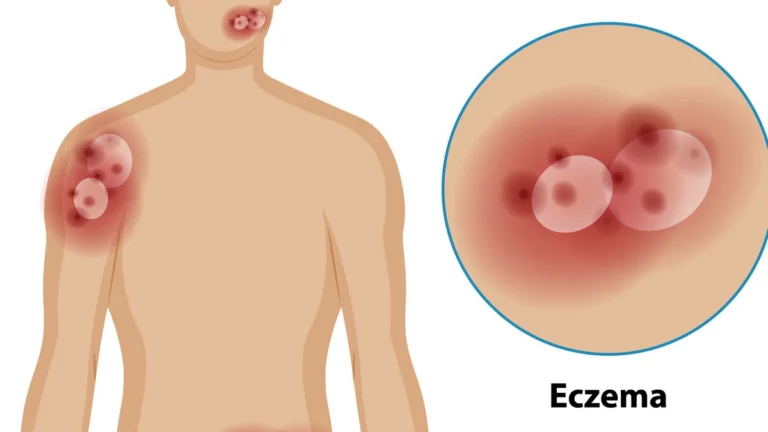
If you manage allergies or eczema with corticosteroids, whether it is a course of prednisolone for a severe flare, a daily inhaled steroid for asthma, or a potent topical cream for chronic eczema, your bone health needs attention much earlier than most people realize. In my experience as a pharmacist, it is often overlooked in routine care. Steroid induced osteoporosis is one of the most preventable causes of fracture, and allergy and eczema patients who rely on corticosteroids are among the most affected groups.
Quick Summary
• Steroids can cause rapid bone loss, often within the first few months
• Oral corticosteroids carry the highest risk, but other forms also contribute
• Using multiple steroid types together increases overall bone risk
• Prevention should begin as soon as steroid therapy starts
• Calcium, vitamin D, and early risk assessment can significantly reduce fractures
What Is Steroid Induced Osteoporosis?
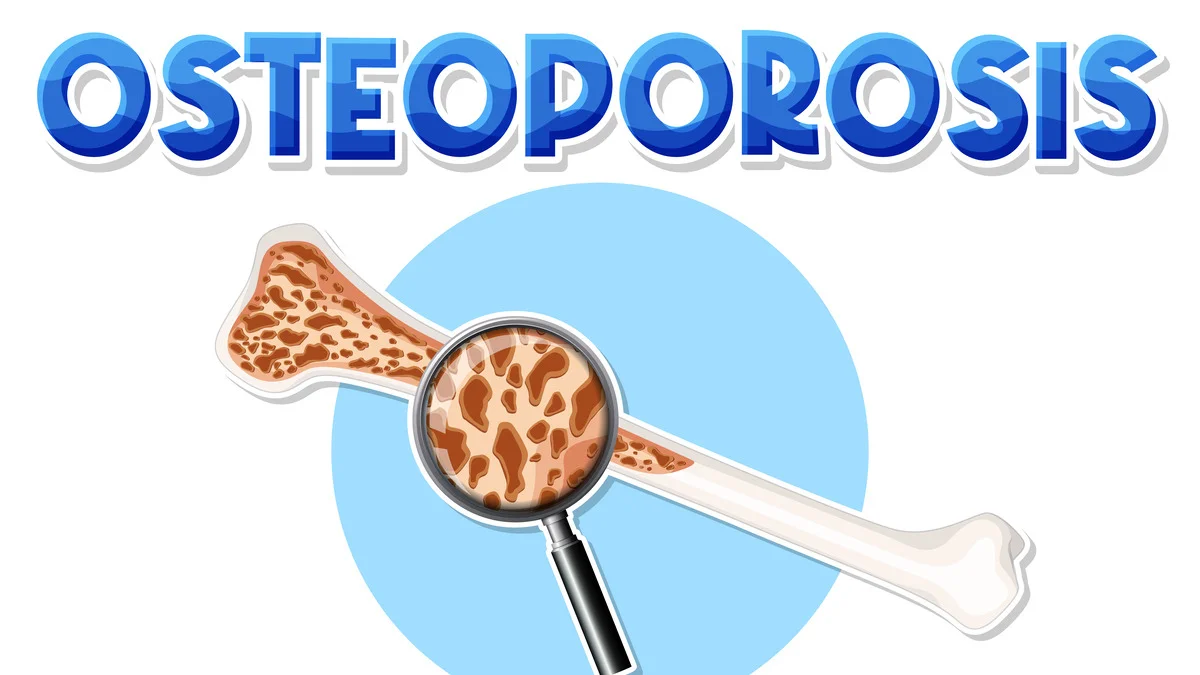
Steroid induced osteoporosis is bone density loss caused directly by corticosteroid medication, and it is the most common form of drug induced osteoporosis worldwide. According to the National Osteoporosis Guideline Group, approximately 30 to 50 percent of patients on long term oral corticosteroid therapy will experience an osteoporotic fracture at some point. The bone loss is fastest in the first three to six months of treatment, which means the risk begins almost immediately rather than building gradually over years.
This is a pattern I want every allergy and eczema patient on steroids to understand, because it changes how early bone protective measures need to begin.
How Do Corticosteroids Cause Bone Loss?
Corticosteroids cause bone loss through several direct and indirect mechanisms that together create a significant and rapid reduction in bone mineral density.
The primary mechanism is suppression of osteoblast activity. Osteoblasts are the cells responsible for building new bone, and corticosteroids reduce both their number and their function, meaning bone formation slows substantially while the body continues breaking down existing bone through osteoclast activity.
Research published in the Journal of Bone and Mineral Research has shown that corticosteroids also reduce intestinal calcium absorption and increase urinary calcium excretion, creating a net calcium deficit that the body compensates for by drawing calcium from bone. Additionally, corticosteroids suppress sex hormone production, reducing oestrogen and testosterone levels that normally help protect bone density. The combined effect is a consistent and measurable reduction in bone mineral density that begins within weeks of starting treatment.
Does the Type of Steroid Matter for Bone Loss Risk?
Yes, the type, dose, route, and duration of corticosteroid use all significantly influence bone loss risk.
Oral corticosteroids carry the highest risk. Prednisolone at doses of 7.5 milligrams or more daily for three months or longer is the threshold most commonly associated with clinically significant bone density loss according to guidance from the National Institute for Health and Care Excellence. Even lower doses carry risk with prolonged use, and repeated short courses accumulate into meaningful total exposure over time.
Inhaled corticosteroids used for allergic asthma carry a lower but real bone risk, particularly at higher doses. A study published in Thorax found that high dose inhaled corticosteroid use was associated with a measurable reduction in bone mineral density compared with lower dose regimens, with the hip and spine most affected.
Topical corticosteroids used for eczema are frequently assumed to be bone safe because they act locally on the skin. This is broadly true for mild to moderate potency products used correctly. However, as I noted in my article on atopic eczema and osteoporosis risk, prolonged use of high potency topical steroids over large body surface areas can result in systemic absorption sufficient to affect bone metabolism. Research published in the British Journal of Dermatology confirmed measurable hypothalamic pituitary adrenal axis suppression with extensive high potency topical steroid use, which indirectly affects bone health.
Intranasal corticosteroids used for allergic rhinitis add a further layer of cumulative steroid exposure that is rarely factored into bone risk calculations for allergy patients managing multiple conditions simultaneously.
Does Cumulative Steroid Dose from Multiple Routes Increase Fracture Risk?
Yes, cumulative steroid exposure from multiple routes simultaneously increases fracture risk beyond what any single route would produce alone.
For example, an asthma patient using a daily inhaler, a nasal spray for rhinitis, and intermittent oral steroids for flare ups may be accumulating a clinically significant steroid burden without realizing it. Similarly, an eczema patient using high potency topical steroids alongside occasional oral treatment can reach levels of exposure that impact bone health over time.
An allergy or eczema patient using a high potency topical steroid for skin, an inhaled corticosteroid for asthma, and an intranasal steroid for rhinitis is accumulating systemic steroid exposure from three separate sources, none of which may individually reach the threshold for bone protection intervention but which together create a clinically significant burden.
This cumulative picture is something the Royal Osteoporosis Society has highlighted as an underrecognized risk in polypharmacy allergy patients. Reviewing total steroid exposure across all routes is a conversation worth having with your healthcare provider or specialist, particularly if you have been managing multiple atopic conditions simultaneously for several years.
How Quickly Does Bone Density Recover After Stopping Steroids?
Bone density can partially recover after stopping corticosteroids, but recovery is incomplete in many patients, particularly those who have been on treatment for extended periods. Research compiled through the National Institutes of Health indicates that bone density typically begins to recover within the first year after stopping steroids, but the degree of recovery depends on how much was lost, how long treatment lasted, and individual factors including age, sex hormone status, and baseline bone health.
This is an important reason why preventing bone loss during steroid therapy is far more effective than trying to recover it afterwards. Early intervention with calcium, vitamin D, and where appropriate bisphosphonate therapy significantly reduces the extent of loss that needs to be recovered.
Who Should Receive Bone Protection During Steroid Therapy?
Not every patient on steroids needs the same level of bone protection intervention, but several groups should be prioritized. According to guidance from the National Institute for Health and Care Excellence, bone protective therapy should be considered for anyone starting or already on oral corticosteroids at a dose of 7.5 milligrams prednisolone equivalent or more per day for three months or longer. Postmenopausal women and men over 70 on any dose of oral corticosteroids should be assessed for fracture risk promptly. Patients with additional risk factors including low body weight, previous fracture history, smoking, or family history of osteoporosis require earlier and more proactive intervention.
In clinical practice, tools such as fracture risk assessment models can help determine when to initiate treatment, especially in patients with borderline risk profiles.
For allergy and eczema patients specifically, the cumulative steroid burden across multiple treatment routes should be factored into this assessment rather than evaluating each medication in isolation.
What Bone Protective Measures Should Steroid Users Take?
Calcium and vitamin D are the foundational bone protective measures for everyone on corticosteroid therapy. The National Osteoporosis Guideline Group recommends that all patients starting long term oral corticosteroids should receive calcium and vitamin D supplementation unless dietary intake is demonstrably sufficient. Target calcium intake sits at around 1000 to 1200 milligrams daily and vitamin D at 800 international units or above for those on steroids.
Bisphosphonate therapy, most commonly alendronate or risedronate, is recommended for higher risk patients and has strong evidence for reducing fracture risk in steroid induced osteoporosis. A systematic review published in the Cochrane Database of Systematic Reviews confirmed that bisphosphonates significantly reduce vertebral fracture risk in patients on long term corticosteroids compared with calcium and vitamin D alone.
Weight bearing exercise, smoking cessation, and limiting alcohol also support bone health during steroid therapy and should be encouraged alongside pharmacological measures.
FAQs
Q1. Does steroid use cause osteoporosis?
Yes. Corticosteroids are the most common drug induced cause of osteoporosis worldwide. According to the National Osteoporosis Guideline Group, 30 to 50 percent of patients on long term oral corticosteroids will experience an osteoporotic fracture. Bone loss begins within the first three to six months of treatment.
Q2. How long does it take for steroids to cause bone loss?
Bone loss from corticosteroids begins rapidly, with the most significant reduction in bone mineral density occurring within the first three to six months of treatment. This early onset is why bone protective measures should begin at the same time as steroid therapy, not after months of use.
Q3. Do steroid creams cause the same bone loss as oral steroids?
Mild to moderate topical steroids used correctly carry a much lower bone risk than oral steroids. However, research published in the British Journal of Dermatology found that prolonged high potency topical steroid use over large body areas can cause measurable systemic effects including impacts on bone metabolism.
Q4. Can inhaled steroids cause bone loss?
Yes, particularly at higher doses. A study published in Thorax found that high dose inhaled corticosteroid use was associated with measurable bone mineral density reduction at the hip and spine compared with lower dose use.
Q5. Is steroid-induced bone loss reversible?
Bone density can partially recover after stopping corticosteroids, typically beginning within the first year. However, recovery is often incomplete, particularly after extended treatment. Prevention during therapy is more effective than recovery afterwards.
Q6. Should I take calcium and vitamin D if I am on steroids for eczema or allergies?
Yes. The National Osteoporosis Guideline Group recommends calcium and vitamin D supplementation for all patients starting long term oral corticosteroids. Target intake is around 1000 to 1200 milligrams of calcium and at least 800 international units of vitamin D daily.
Q7. Who needs a DEXA scan if they are on steroids for allergies?
Patients on oral corticosteroids at 7.5 milligrams prednisolone equivalent or more for three months or longer, postmenopausal women on any dose of oral steroids, men over 70, and those with additional osteoporosis risk factors should be assessed for bone density according to guidance from the National Institute for Health and Care Excellence.
Q8. Does cumulative steroid use from inhalers, nasal sprays, and creams increase bone loss risk?
Yes. Cumulative systemic steroid exposure from multiple routes simultaneously creates a combined bone health burden greater than any single source alone. The Royal Osteoporosis Society has highlighted this as an underrecognized risk in patients managing multiple atopic conditions concurrently.
Q9. When should bisphosphonates be considered for steroid users?
Bisphosphonate therapy should be considered for higher risk patients on long term oral corticosteroids. A systematic review published in the Cochrane Database of Systematic Reviews confirmed that bisphosphonates significantly reduce vertebral fracture risk in this group compared with calcium and vitamin D supplementation alone.
Q10. Is dupilumab better for bones than long term steroids in eczema?
Dupilumab does not carry the direct bone density risks associated with corticosteroids. For patients with severe eczema who are accumulating significant steroid exposure, transitioning to biologic therapy may reduce cumulative bone health risk while maintaining disease control.
Call to Action
If this article has prompted you to think more carefully about your bone health alongside your steroid therapy, I have a full cluster of related content on pharmahealths.com that builds the complete picture. Read my article on atopic eczema and osteoporosis risk to understand how allergic inflammation compounds steroid related bone loss, and my guide to calcium and vitamin D supplements during allergy therapy for practical supplementation advice. Steroid induced osteoporosis is one of the most preventable conditions in allergy and eczema care, and the earlier you act, the better your bones will thank you.
Disclaimer
This article is intended for informational purposes only and does not constitute medical advice. Always consult a qualified healthcare professional before making any changes to your medication or supplement routine, or before requesting diagnostic tests. Individual health circumstances vary, and nothing in this article should replace personalized clinical guidance
References
• National Osteoporosis Guideline Group, steroid induced fracture risk guidance
• National Institute for Health and Care Excellence, corticosteroid management recommendations
• Journal of Bone and Mineral Research, mechanisms of steroid related bone loss
• Thorax, inhaled corticosteroids and bone density
• British Journal of Dermatology, systemic absorption of topical steroids
• National Institutes of Health, bone density recovery after steroid use
• Royal Osteoporosis Society, cumulative steroid exposure risks
• Cochrane Database of Systematic Reviews, bisphosphonate fracture prevention evidence