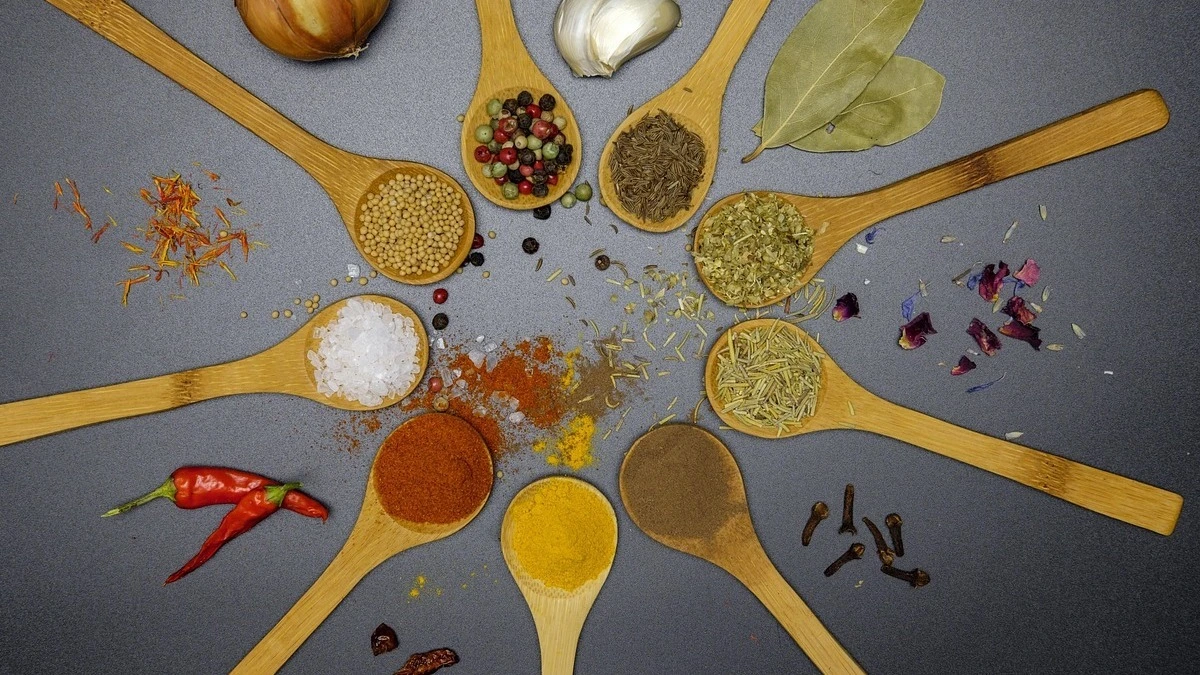

Blood sugar regulation is often discussed in terms of carbohydrates, insulin, and medications. However, from a pharmacist’s perspective, glucose control involves more than just sugar intake. It includes insulin sensitivity, inflammation, oxidative stress, gut health, and long-term metabolic balance. Interestingly, some of these processes are influenced by common culinary spices used daily in many households.
While spices are not medicines, scientific evidence suggests that certain ones such as cinnamon, turmeric, ginger, nutmeg, cloves, and black pepper, may help support blood sugar regulation when used regularly as part of a healthy diet. Understanding how they work helps separate real science from exaggerated claims.
Understanding Blood Sugar Control Beyond Sugar Intake
To begin with, blood sugar levels rise when carbohydrates are broken down into glucose and absorbed into the bloodstream. In healthy individuals, insulin helps move glucose into cells for energy. However, when insulin does not work properly, a condition known as insulin resistance, glucose stays elevated in the blood.
Over time, this can lead to type 2 diabetes, heart disease, nerve damage, and constant tiredness. Therefore, managing blood sugar is not only about cutting sugar but also about improving how the body responds to insulin. This is where spices become relevant.
Cinnamon (Improving Insulin Action)
Among all spices, cinnamon has the strongest scientific support for blood sugar regulation.
From a pharmacological view, cinnamon contains plant compounds that help insulin work more effectively. Simply put, insulin becomes better at moving glucose from the blood into body cells.
Several clinical studies show that regular cinnamon intake may reduce fasting blood sugar and slightly improve HbA1c levels in people with insulin resistance or type 2 diabetes. These benefits are more noticeable when cinnamon is used consistently over time.
From professional experience
Ceylon cinnamon is safer for long-term use than Cassia cinnamon because it contains much lower amounts of coumarin, which may affect the liver in high doses.
Looking Beyond Cinnamon (The Role of Other Spices)
Although cinnamon is widely known, it is not the only spice that may support blood sugar balance. Inflammation and oxidative stress also play major roles in insulin resistance, and several spices help reduce these problems.
This broader approach explains why traditional diets rich in spices are often linked with better metabolic health.
Turmeric (Reducing Inflammation That Affects Insulin)
Turmeric contains curcumin, a compound well known for its anti-inflammatory effects.
Long term inflammation interferes with insulin signaling, making blood sugar harder to control. Curcumin helps lower inflammatory markers commonly found in people with diabetes and metabolic syndrome.
Research suggests curcumin may,
• Improve insulin sensitivity
• Lower fasting blood glucose
• Help protect insulin producing cells in the pancreas
However, curcumin is not absorbed well on its own, which leads to the importance of another common spice.
Black Pepper (Improving Absorption and Effectiveness)
Black pepper contains piperine, a compound that increases the absorption of curcumin.
From a pharmacist’s point of view, this improves how long beneficial compounds stay active in the body. Piperine slows their breakdown, making turmeric more effective.
In addition, black pepper itself may help reduce post meal blood sugar rises by improving glucose use in the body.
Ginger (Helping Cells Use Glucose Better)
Ginger is commonly used for digestion, but it also plays a role in blood sugar control.
Studies show that ginger may help muscle cells take in glucose without relying completely on insulin. This is especially helpful for people with insulin resistance.
Ginger also helps by,
• Reducing oxidative stress
• Improving cholesterol levels
• Supporting healthy body weight
In everyday practice, ginger is safe when used in normal food amounts and is easy to include in meals.
Nutmeg (Mild Support with Safety Awareness)
Nutmeg contains antioxidants that may help reduce oxidative stress linked to poor blood sugar control.
Some studies suggest nutmeg affects enzymes involved in carbohydrate digestion. However, strong human evidence is still limited.
Important pharmacist warning
Nutmeg should only be used in very small culinary amounts. Large doses can cause serious side effects, including nervous system and heart problems.
Cloves (Protecting Insulin-Producing Cells)
Cloves are rich in eugenol, an antioxidant compound.
Oxidative stress damages pancreatic cells that produce insulin. By reducing this damage, cloves may help maintain insulin function over time.
Some research also suggests cloves may slow carbohydrate digestion, leading to smaller rises in blood sugar after meals. Although more studies are needed, this effect is biologically reasonable.
How Spices Work Together for Blood Sugar Balance
Spices do not work like fast-acting diabetes medications. Instead, they support blood sugar control slowly and steadily through multiple pathways.
Together, they may,
• Improve insulin sensitivity
• Reduce inflammation
• Slow glucose absorption
• Protect pancreatic cells
• Reduce oxidative stress
This explains why spices are best used as long term dietary support rather than quick solutions.
Safe and Practical Use (A Pharmacist’s Guidance)
From a safety standpoint, using spices in normal cooking amounts is generally safe. Problems usually occur when people take high dose supplements without medical advice, especially alongside diabetes medicines.
Simple daily use tips
• Add cinnamon to tea, oatmeal, or yogurt
• Use turmeric with black pepper in cooked dishes
• Include ginger in soups or warm drinks
• Use cloves and nutmeg lightly for flavor
• Regular use matters more than large quantities.
What Spices Cannot Do
It is important to stay realistic and evidence based.
Spices,
• Do not replace insulin or diabetes medicines
• Do not cure diabetes
• Do not lower blood sugar instantly
• They work best when combined with a balanced diet, physical activity, weight control, and prescribed treatment.
Final Pharmacist’s Perspective
Spices such as cinnamon, turmeric, ginger, nutmeg, cloves, and black pepper provide more than taste and aroma. Their active compounds influence insulin action, inflammation, and oxidative stress, key factors in blood sugar imbalance.
When used safely and consistently, spices can support metabolic health in a practical, science-based way. From long professional experience, stable blood sugar control is built through small daily habits. Sometimes, that journey begins with simple choices made in the kitchen.
FAQs
Q1. Can spices alone control blood sugar in diabetes?
No, from a pharmacist’s perspective, spices cannot replace diabetes medications or insulin. However, regular use of spices such as cinnamon, turmeric, and ginger may support better insulin sensitivity and reduce inflammation when combined with a balanced diet, physical activity, and prescribed treatment.
Q2. Is it safe for diabetic patients to use spices daily?
Yes, using spices in normal culinary amounts is generally safe for most people, including those with diabetes. Caution is needed with high-dose supplements, especially when taking antidiabetic medicines, as they may increase the risk of low blood sugar.
Disclaimer
This article is for educational purposes only and does not replace medical advice. Always consult a qualified healthcare professional before making dietary changes, especially if you have diabetes or are taking blood sugar lowering medications.
Call to Action
For more evidence based, pharmacist reviewed health content on nutrition, metabolism, and chronic disease management, read the full articles available on pharmahealths.com.
References
• Diabetes Care (Journal), Clinical studies on cinnamon and its effect on insulin sensitivity and fasting blood glucose.
• Journal of Nutrition & Metabolism, Research on curcumin, inflammation, and insulin resistance.
• Phytotherapy Research, Evidence on ginger’s role in glucose uptake and metabolic health.
• Journal of Medicinal Food, Studies on cloves and antioxidant effects related to blood sugar control.
• Food and Chemical Toxicology, Safety data on nutmeg and its effects at higher doses.