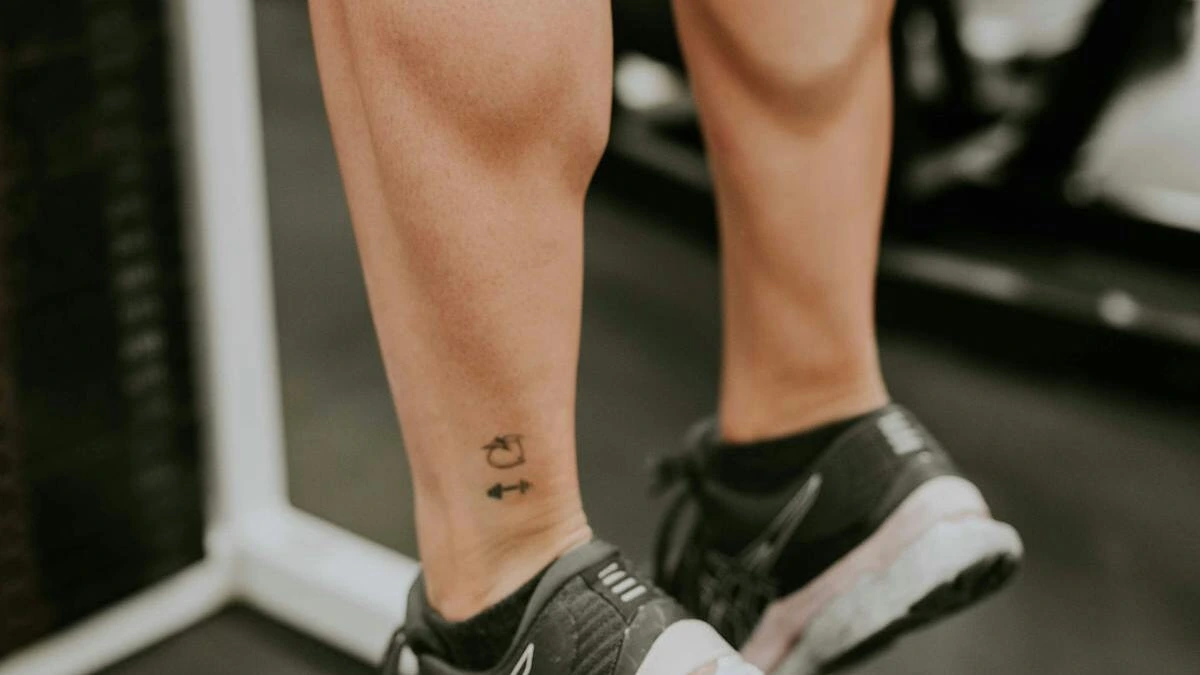

In the age of desk jobs, screen time, and prolonged sitting, a simple claim has started gaining attention: small foot or heel movements may help regulate blood sugar. At first, this sounds too simple to be physiologically meaningful. However, when we examine human metabolism more closely, the science reveals something far more nuanced and fascinating.
From a pharmacist’s perspective, this topic is not about viral trends. Instead, it is about muscle physiology, glucose metabolism, and how subtle body movements can influence metabolic health in a sedentary lifestyle.
Understanding the Science (Why Muscle Activity Affects Blood Sugar)
To begin with, skeletal muscle is the largest site of glucose uptake in the human body. Whenever muscles contract, they stimulate glucose transporters (GLUT4), which pull glucose from the bloodstream into muscle cells. Importantly, this process can occur even without insulin stimulation.
As a result, muscle activity directly contributes to blood sugar regulation.
However, not all muscles behave the same way metabolically. Larger, oxidative muscles consume more glucose over longer periods compared to small, fast-fatiguing muscles.
This distinction becomes especially important when discussing foot and heel movements.
The Key Muscle Involved (The Soleus)
When people talk about foot movement lowering blood sugar, they are often unknowingly referring to the Soleus muscle.
The soleus is a deep calf muscle located beneath the gastrocnemius. Unlike many muscles that activate during high intensity exercise, the soleus is designed for endurance and prolonged low-level activity such as standing, walking slowly, and maintaining posture.
Interestingly, the soleus contains a high proportion of slow twitch (Type I) muscle fibers. These fibers are rich in mitochondria, meaning they are highly efficient at using oxygen and blood glucose for sustained energy production.
Therefore, when this muscle is activated continuously, it can act as a steady “glucose sink,” helping to reduce circulating blood sugar levels over time.
New Research (Soleus Activation and Glucose Control)
Recent metabolic research has provided fresh insight into how low intensity muscle contractions influence glucose metabolism. Specifically, studies examining sustained soleus activation during sitting have shown notable improvements in post meal glucose control.
For instance, controlled metabolic experiments have demonstrated that prolonged soleus contractions can significantly reduce postprandial (after meal) glucose spikes compared to complete inactivity. Moreover, some findings suggest improved oxidative metabolism and better lipid utilization during continuous low intensity muscle activation.
In addition, newer clinical investigations involving individuals with prediabetes and type 2 diabetes indicate that structured soleus focused movements may improve glucose regulation over time when performed consistently.
Consequently, this emerging evidence supports the idea that strategic muscle activation during sedentary periods may offer measurable metabolic benefits.
Foot Movement vs. Heel Raises (A Critical Difference)
At this point, an important clarification is necessary.
Many people assume that simply wiggling toes or moving the foot randomly will lower blood sugar. In reality, the metabolic effect depends on muscle mass and contraction duration.
Toe movements mainly activate smaller muscles such as flexor and extensor muscles of the toes. While these muscles are anatomically functional, they are too small to produce a significant systemic glucose lowering effect.
In contrast, repeated heel raises specifically activate the soleus muscle, which has,
• Higher oxidative capacity
• Greater endurance
• Sustained glucose utilization
Thus, from a physiological standpoint, controlled heel movement is far more metabolically impactful than simple toe tapping.
Why This Matters in a Sedentary Lifestyle
Modern lifestyles have dramatically reduced daily muscle activation. People now spend long hours,
• Sitting at desks
• Using digital devices
• Working in low mobility environments
As a result, post meal glucose spikes have become more common, even in individuals without diabetes.
Furthermore, prolonged sitting suppresses muscle glucose uptake and contributes to insulin resistance over time. Therefore, integrating low intensity muscle activity throughout the day may help counteract some metabolic risks associated with sedentary behavior.
This is particularly relevant for,
• Office workers
• Students
• Older adults
• Individuals with insulin resistance
Pharmacist’s Clinical Perspective: Adjunct, Not Replacement
From a clinical and pharmacological viewpoint, it is essential to maintain realistic expectations.
While soleus activation shows promising metabolic effects, it should not be considered a replacement for,
• Antidiabetic medications
• Medical nutrition therapy
• Structured physical exercise
Instead, it functions best as a complementary lifestyle strategy.
For example, patients using metformin or lifestyle modification programs may benefit from adding low intensity muscle activation during prolonged sitting periods. This approach aligns with the broader principle of improving peripheral glucose utilization through non-pharmacological means.
How to Activate the Soleus Effectively (Practical Guidance)
For metabolic benefits, movement must be intentional and sustained rather than random or occasional.
Simple evidence informed method includes,
• Sitting with feet flat on the floor
• Keeping toes grounded
• Slowly lifting the heels repeatedly
• Maintaining rhythmic contractions for extended periods
Notably, duration plays a more significant role than intensity. Short bursts of movement may have minimal metabolic impact, whereas prolonged, low-level activation supports continuous glucose uptake.
Additional Metabolic Benefits Beyond Blood Sugar
Beyond glucose regulation, sustained activation of oxidative muscles like the soleus may also support,
• Improved circulation
• Enhanced lipid metabolism
• Reduced sedentary metabolic risk
Moreover, gentle muscle contractions help maintain vascular function and prevent prolonged blood pooling in the lower limbs during sitting.
Consequently, this simple intervention may have broader cardiometabolic implications, especially for individuals at risk of metabolic syndrome.
Limitations and Scientific Considerations
Despite encouraging findings, it is important to interpret this research cautiously.
• First, many studies are still emerging, with limited long term population data.
• Second, individual metabolic responses vary based on age, muscle mass, insulin sensitivity, and activity levels.
• Third, the exact frequency and duration required for optimal glucose control are still under investigation.
Therefore, while the mechanism is scientifically sound, it should not be marketed as a “quick fix” or miracle solution.
Final Verdict (A Small Movement with Meaningful Physiology)
In conclusion, moving the foot or heel can influence blood sugar, but only when the movement consistently activates the soleus muscle through sustained contractions.
To summarize scientifically,
• Toe movement alone has minimal metabolic impact
• Soleus activation supports continuous glucose uptake
• Prolonged sitting worsens glucose metabolism
• Strategic low intensity movement may improve post-meal glucose control
Ultimately, this concept reflects a deeper physiological truth: muscles are powerful metabolic regulators, not just mechanical structures for movement.
In today’s sedentary world, even small, science backed muscle activation strategies may play a supportive role in metabolic health. When combined with balanced nutrition, medication adherence, and regular exercise, such micro-movements can become a practical and evidence-aligned addition to modern blood sugar management.
FAQs
Q1: Can moving my foot or heel really lower blood sugar?
Yes, but the effect depends on how the movement is performed. Gentle and repeated heel raises activate the soleus muscle, a deep calf muscle with high oxidative capacity. When this muscle contracts continuously, it increases glucose uptake from the bloodstream through insulin independent pathways, which may help reduce post meal blood sugar spikes.
Q2: Is toe wiggling enough to control blood sugar?
Not significantly. Toe movements mainly engage small intrinsic foot muscles that have minimal metabolic demand. In contrast, sustained activation of larger postural muscles like the soleus has a more meaningful impact on glucose metabolism due to higher muscle mass and endurance fiber composition.
Q3: How does the soleus muscle improve glucose regulation?
The soleus contains a high proportion of slow-twitch (Type I) fibers that are rich in mitochondria. These fibers efficiently use blood glucose and fatty acids for prolonged energy. As a result, repeated low intensity contractions can act as a steady glucose sink, improving postprandial glycemic control.
Q4: How long should I perform heel raises for metabolic benefits?
Research suggests that duration matters more than intensity. Short, occasional movements may not produce measurable effects, whereas prolonged, rhythmic contractions during sitting periods (for example, during desk work or after meals) may support better glucose utilization.
Q5: Can this replace exercise or diabetes medication?
No, while soleus activation is a supportive lifestyle strategy, it does not replace structured physical activity, medical nutrition therapy, or prescribed antidiabetic medications. It should be viewed as a complementary metabolic habit rather than a primary treatment.
Q6: Is this method useful for people with prediabetes or insulin resistance?
Potentially yes, Emerging research indicates that sustained low-intensity muscle activation during sedentary periods may help reduce glucose spikes and improve metabolic flexibility, which is particularly beneficial for individuals with insulin resistance, prediabetes, or sedentary lifestyles.
Q7: Is it safe for older adults or sedentary individuals?
Generally, gentle seated heel raises are considered low impact and safe for most individuals. However, those with vascular disorders, neuropathy, or musculoskeletal conditions should consult a healthcare professional before adopting new movement routines.
Disclaimer
This content is for educational and informational purposes only and does not constitute medical advice, diagnosis, or treatment. Always consult a qualified healthcare professional or physician before making changes to your exercise, lifestyle, or diabetes management plan, especially if you have a chronic medical condition or are taking prescription medications.
Call To Action
Want more pharmacist backed, evidence-based insights on metabolism, nutrition, and preventive health? Follow PharmaHealths for scientifically accurate, easy to understand content designed to support smarter health decisions in everyday life.
References
• Hamilton MT et al., iScience (Cell Press), Demonstrates that sustained soleus muscle contractions significantly improve postprandial glucose metabolism and oxidative fuel utilization.
• American Diabetes Association, Diabetes Care, Explains insulin independent glucose uptake in skeletal muscle via GLUT4 activation during muscle contraction.
• Journal of Applied Physiology, Describes the metabolic role of slow twitch oxidative muscle fibers, including sustained glucose and lipid utilization.
• ClinicalTrials.gov, Ongoing clinical research evaluating soleus push up activity and its effects on glucose regulation in sedentary and prediabetic individuals.
• PubMed Indexed Metabolic Physiology Studies, Support the role of low intensity muscle activation in improving glucose handling and metabolic flexibility during prolonged sitting.