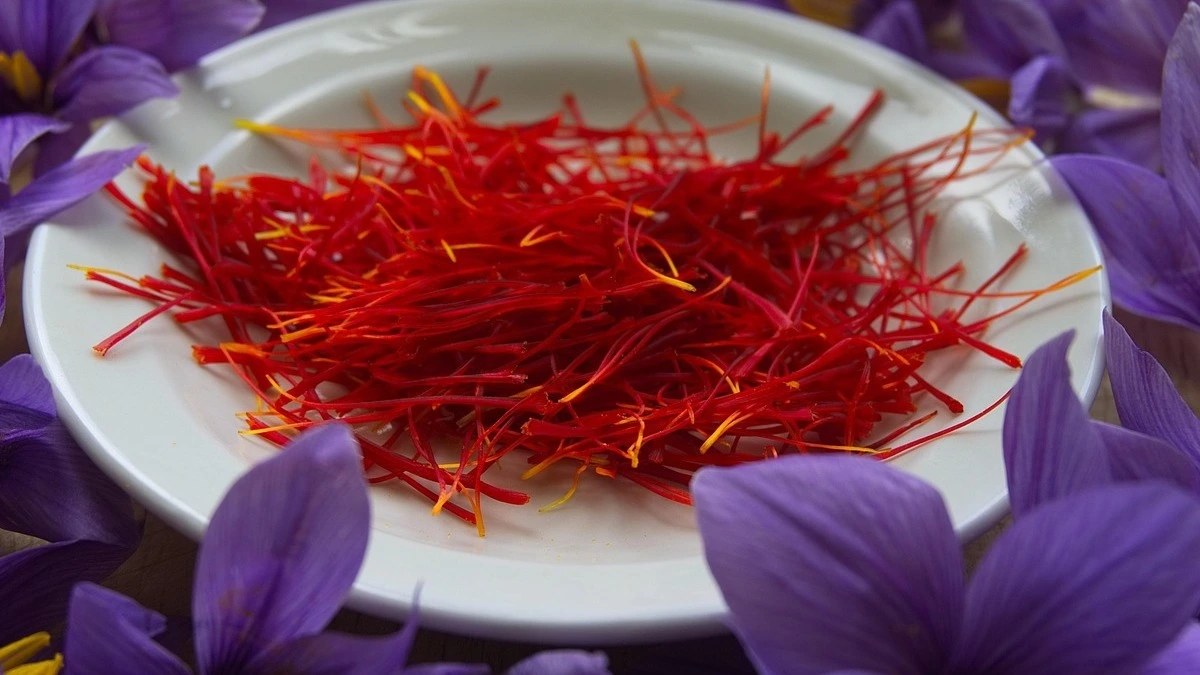

Saffron, obtained from the delicate stigmas of Crocus sativus, is often described as a luxury spice. However, from a clinical and pharmacological standpoint, it is far more than a culinary ingredient. Increasing research suggests that saffron may support eye focus, retinal health, and overall neurological function due to its potent antioxidant and neuroprotective compounds.
At the same time, it is important to approach such claims with scientific balance. Saffron is not a cure for vision problems, but it may serve as a supportive nutritional agent when used consistently and responsibly.
Why Eye Focus Matters More Than Just Clear Vision
To begin with, eye focus is not solely about seeing clearly. Instead, it involves coordinated functioning between the retina, optic nerve, and brain. When oxidative stress, inflammation, or metabolic imbalance affects these systems, visual clarity and focus may gradually decline.
Moreover, modern lifestyles characterized by prolonged screen exposure, poor sleep, and nutritional deficiencies can further strain visual processing. As a result, the search for natural compounds that support eye health has intensified, and saffron has emerged as a promising candidate.
How Saffron Supports Eye Focus Scientifically
Supports Retinal Health and Photoreceptor Protection
First and foremost, saffron contains bioactive compounds such as crocin, crocetin, and safranal. These molecules exhibit strong antioxidant activity, which is essential for protecting retinal cells from oxidative damage.
Notably, the retina consumes high levels of oxygen, making it particularly vulnerable to free radicals. Therefore, antioxidants like crocin may help preserve photoreceptor function, which plays a key role in maintaining visual focus and contrast sensitivity.
In clinical observations, saffron supplementation has shown improvements in retinal sensitivity, especially in early visual decline. Consequently, this may translate into better focus and visual processing over time.
Enhances Visual Processing Through Neuroprotection
Equally important, vision is a brain-dependent process. The eyes capture images, but the brain interprets them. Saffron’s active constituents can cross the blood brain barrier and exert neuroprotective effects on neural tissues.
As a result, improved neuronal signaling may enhance the brain’s ability to process visual information efficiently. In practical terms, this means sharper visual attention and improved focus, particularly during mentally demanding tasks.
Helps Reduce Eye Fatigue and Digital Strain
Furthermore, digital eye strain has become increasingly common in today’s screen dominated environment. Symptoms such as blurred vision, reduced focus, and ocular fatigue are frequently reported.
In this context, saffron’s anti-inflammatory and antioxidant properties may help reduce light induced oxidative stress. Although it cannot replace proper eye care habits, it may support ocular comfort when combined with screen breaks and adequate hydration.
Potential Role in Age Related Vision Decline
In addition, early research indicates that saffron may play a supportive role in age-related macular degeneration (AMD). Since oxidative stress and inflammation contribute significantly to retinal degeneration, saffron’s antioxidant profile makes it biologically relevant.
While it is not a therapeutic substitute, consistent intake may help slow functional decline in retinal performance. Hence, it may be particularly beneficial as a preventive nutritional support rather than a curative intervention.
Additional Health Benefits of Saffron Beyond Eye Health
Powerful Antioxidant and Anti-Inflammatory Effects
Beyond eye health, saffron offers systemic antioxidant protection. Chronic oxidative stress is linked to cardiovascular diseases, metabolic disorders, and neurodegeneration.
Therefore, incorporating antioxidant-rich foods like saffron may contribute to overall cellular protection. This systemic effect indirectly supports eye health, as the eyes are highly sensitive to oxidative damage.
Supports Cognitive Function and Mental Focus
Interestingly, saffron is also associated with improved cognitive clarity and mental alertness. Its influence on neurotransmitters such as serotonin and dopamine may help enhance concentration and mental performance.
Consequently, better cognitive focus often complements visual focus, especially in individuals experiencing mental fatigue or prolonged screen exposure.
Mood Regulation and Stress Reduction
Moreover, psychological stress can negatively impact concentration and eye comfort. Saffron has been studied for its mild mood enhancing properties due to its serotonergic activity.
By supporting emotional balance, it may indirectly improve productivity, attention span, and visual engagement during daily tasks.
Cardiovascular and Circulatory Support
Another important aspect is circulation. Healthy blood flow is essential for delivering oxygen and nutrients to the retina. Crocetin, one of saffron’s active compounds, has shown potential in improving microcirculation.
As a result, better circulation may support long term retinal nourishment and visual performance.
Supportive Role in Metabolic Health
From a pharmacist’s perspective, metabolic conditions such as diabetes are associated with elevated oxidative stress, which can affect eye health over time. Since saffron exhibits antioxidant activity, it may provide supportive protection against oxidative damage.
However, it must be emphasized that saffron should never replace prescribed medical treatment for metabolic or ocular disorders.
Recommended Intake and Safety Considerations
When it comes to dosage, moderation is key. Clinical studies commonly use standardized saffron extract in doses of approximately 20–30 mg per day.
On the other hand, excessive consumption may lead to adverse effects such as dizziness, nausea, or hypotension. Extremely high doses can even be toxic, which highlights the importance of controlled intake.
Additionally, special caution is advised for,
• Pregnant individuals
• Patients taking antidepressants
• Individuals with low blood pressure
Therefore, from a pharmacist’s safety viewpoint, standardized supplements are generally more reliable than unregulated powdered forms.
Practical Ways to Incorporate Saffron into Daily Routine
From a practical standpoint, saffron can be easily integrated into daily nutrition. For instance, soaking a few strands in warm water or milk helps release its active compounds more effectively. It can also be added to tea, rice, or soups for both therapeutic and culinary benefits.
Importantly, consistency matters more than high doses. Small, regular intake may offer more sustainable benefits compared to occasional excessive use.
Limitations (What Saffron Cannot Do)
Despite its promising profile, saffron is not a miracle solution for focusing problems or eye diseases. Scientific evidence, although encouraging, is still evolving and often limited to small scale studies.
Moreover, visual focus is influenced by multiple factors including sleep quality, screen habits, nutritional status, and underlying health conditions. Hence, relying solely on a single supplement is neither clinically sound nor sustainable.
Final Pharmacist’s Insight
In conclusion, saffron is a scientifically promising medicinal spice with potential benefits for eye focus, retinal protection, and cognitive clarity. Its antioxidant, anti-inflammatory, and neuroprotective properties make it a valuable supportive nutrient in preventive eye care.
Nevertheless, its role should be viewed as complementary rather than therapeutic. When combined with a balanced diet, proper screen hygiene, adequate sleep, and essential eye supportive nutrients such as lutein and omega-3 fatty acids, saffron may contribute to long term visual wellness.
Ultimately, rational use, evidence-based expectations, and consistent lifestyle habits remain the cornerstone of maintaining healthy vision and optimal focus in the modern age.
FAQs
1. Can saffron really improve eye focus?
Saffron may support eye focus indirectly by protecting retinal cells and enhancing visual processing through its antioxidant compounds like crocin and crocetin. However, it does not act as an instant vision enhancer. Its benefits are gradual and supportive rather than corrective.
2. How long does saffron take to show benefits for eye health?
Clinical observations suggest that consistent intake over several weeks may help improve retinal sensitivity and visual comfort. Since antioxidant effects work progressively, short term use may not produce noticeable changes.
3. Is saffron helpful for digital eye strain and screen fatigue?
Yes, to some extent. Due to its anti-inflammatory and antioxidant properties, saffron may help reduce oxidative stress caused by prolonged screen exposure. Still, proper screen breaks, hydration, and sleep remain more impactful for reducing eye strain.
4. What is the safe daily intake of saffron for health benefits?
Most studies use standardized saffron extract in the range of 20–30 mg per day. Culinary use with a few strands is generally considered safe. Excessive intake should be avoided due to potential side effects such as dizziness or low blood pressure.
5. Can saffron prevent age related vision decline?
Saffron may offer supportive protection against oxidative damage linked to age-related retinal changes. While early research is promising, it should not be considered a treatment or replacement for medical eye care.
6. Is saffron safe for everyone?
Saffron is usually safe in moderate amounts. However, pregnant individuals, people on antidepressants, and those with low blood pressure should use caution and consult a healthcare professional before regular supplementation.
Disclaimer
This content is for educational and informational purposes only and is not intended as medical advice, diagnosis, or treatment. Saffron may support eye and overall health due to its antioxidant and neuroprotective properties, but it is not a substitute for prescribed medications, professional eye care, or clinical treatment. Always consult a qualified healthcare provider before starting any supplement, especially if you have existing medical conditions or are taking medications.
Call to Action
Protecting your eye focus requires more than a single supplement. Combine evidence-based nutrition, balanced screen habits, adequate sleep, and regular eye check-ups for long term visual health. If you are considering saffron for eye support, use it in moderate, consistent amounts and discuss supplementation with a healthcare professional for safe and personalized guidance.
References
• Journal of Translational Medicine, Clinical relevance: Reported saffron’s antioxidant and neuroprotective effects on retinal function and oxidative stress.
• Evidence Based Complementary and Alternative Medicine, Clinical relevance: Studies on saffron’s role in visual performance and age-related macular health.
• Nutrients (MDPI), Clinical relevance: Highlights crocin and crocetin’s antioxidant and anti-inflammatory mechanisms supporting eye and brain health.
• Phytotherapy Research, Clinical relevance: Discusses saffron’s neuroprotective and mood supportive properties linked to cognitive and visual processing.