
Hair oils are trending again, especially on social media, where rosemary oil and batana oil are often marketed as natural solutions for hair growth. However, once we move beyond trends and examine scalp biology and clinical insights, the comparison becomes far more nuanced and scientifically interesting.
As a pharmacist, I always emphasize that hair regrowth is not driven by a single product. Instead, it is influenced by hormones, inflammation, nutrition, circulation, and genetics. In other words, oils can support the scalp environment, but they are not miracle cures. Still, some oils are biologically more active than others, which makes this comparison meaningful.
Let’s explore rosemary oil and batana oil from a scientific and practical perspective, with a clear focus on hair regrowth and scalp health.
Understanding Hair Regrowth and Scalp Health First
Before comparing any oil, it is essential to understand how hair actually grows. Hair follicles follow a natural cycle consisting of three phases: the growth phase (anagen), transition phase (catagen), and resting phase (telogen). When the scalp becomes inflamed, excessively dry, or poorly nourished, follicles may shift prematurely into the resting phase, which ultimately leads to thinning and increased hair fall.
Therefore, any oil that claims to support hair growth should ideally help reduce inflammation, improve scalp circulation, support the scalp barrier, and protect follicles from oxidative stress. With this biological framework in mind, the evaluation of both oils becomes more evidence-based rather than trend-driven.
Rosemary Oil (A Botanically Active Oil with Clinical Relevance)
To begin with, rosemary oil is extracted from Rosmarinus officinalis and has been traditionally used for scalp massage and hair care. Unlike many cosmetic oils, rosemary oil has some clinical support for its role in hair regrowth.
Notably, a clinical study published in Skinmed compared rosemary oil with 2% minoxidil in individuals with androgenetic alopecia. After six months, both groups showed improvement in hair count, while rosemary oil users reported less scalp itching. This suggests that rosemary oil may offer supportive benefits for hair thinning, especially in early stages.
From a pharmacological standpoint, rosemary oil contains bioactive compounds such as carnosic acid, rosmarinic acid, and antioxidant polyphenols. These compounds work through multiple mechanisms. Firstly, they exhibit anti-inflammatory properties, which may help calm scalp irritation that disrupts follicle activity. Secondly, rosemary oil may enhance microcirculation, meaning improved blood flow to hair follicles. Additionally, its antioxidant action helps reduce oxidative stress, a key contributor to hair thinning.
Consequently, rosemary oil does more than simply moisturize the scalp. It actively interacts with the scalp environment in a biologically meaningful way.
Batana Oil (A Deep Nourishing Oil for Scalp Conditioning)
On the other hand, batana oil is derived from the American palm (Elaeis oleifera) and is traditionally used in Central American hair care rituals. It is rich in essential fatty acids, vitamin E, and antioxidants, making it highly nourishing for dry hair and scalp.
However, its primary function differs significantly from rosemary oil. Rather than stimulating follicles, batana oil mainly focuses on scalp hydration and hair conditioning. Specifically, it helps restore moisture to a dry scalp, strengthen the hair shaft, improve shine and softness, and support the scalp’s lipid barrier.
As a result, a well moisturized scalp can indirectly support healthier hair by reducing breakage and irritation. Nevertheless, current scientific literature does not provide strong clinical evidence that batana oil directly stimulates new hair growth or reverses hair loss. In scientific terms, it functions more as a supportive cosmetic oil rather than a therapeutic growth stimulant.
Comparing Effectiveness for Hair Regrowth
When the primary goal is hair regrowth, the distinction becomes clearer. Rosemary oil has a noticeable advantage due to its biological activity and emerging clinical evidence.
For instance, rosemary oil may help improve circulation to follicles, reduce inflammation around hair roots, and provide antioxidant protection. Some preliminary research even suggests mild DHT-modulating potential, although this area still requires further study.
In contrast, batana oil lacks clinical trials specifically supporting hair regrowth. It does not directly stimulate follicles and mainly improves hair texture and scalp hydration. Therefore, for individuals experiencing early hair thinning, rosemary oil is generally the more evidence-aligned option.
That said, realistic expectations remain crucial. Even rosemary oil is not as potent as medical therapies like minoxidil, and visible results usually take three to six months due to the slow nature of the hair growth cycle.
Comparing Benefits for Scalp Health
Interestingly, the comparison becomes more balanced when scalp health is the main concern rather than regrowth. This is where personalization plays a key role.
For example, rosemary oil is particularly beneficial for oily or inflamed scalp conditions, mild dandruff, scalp irritation, and poor circulation. Its anti-inflammatory and antimicrobial properties make it suitable for maintaining a healthier scalp environment.
Conversely, batana oil is more suitable for dry, flaky scalp, chemically damaged hair, curly or coarse hair types, and scalp barrier repair. Its heavy, lipid rich composition helps restore moisture and protect the scalp barrier effectively.
From a dermatological perspective, scalp type should guide oil selection. A dry and damaged scalp may respond better to batana oil, whereas an inflamed or thinning scalp may benefit more from rosemary oil.
Safety and Potential Side Effects
Despite being natural, both oils require proper and informed use. Natural does not automatically mean risk-free, which is a common misconception in hair care.
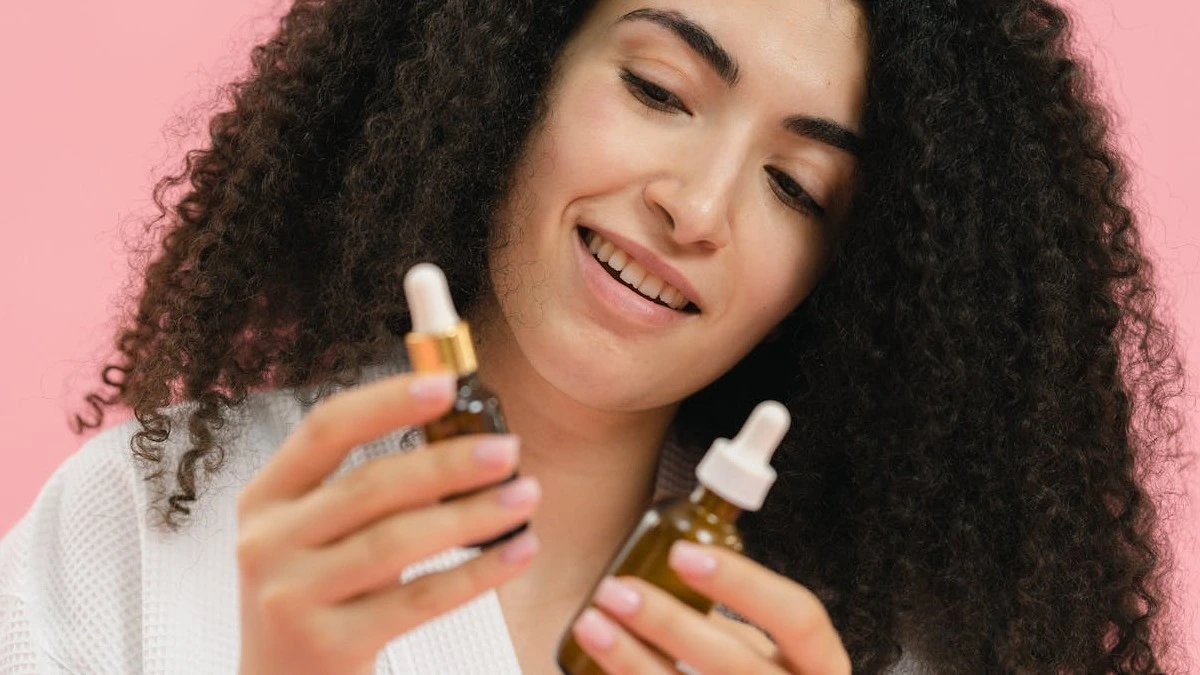
Rosemary oil is highly concentrated and should always be diluted in a carrier oil such as coconut or jojoba oil at a 1–2% concentration. Otherwise, it may cause irritation, redness, or itching, especially in sensitive individuals.
Meanwhile, batana oil is thick and occlusive. Excessive use can lead to scalp buildup, clogged pores, folliculitis, or even worsening dandruff in people with oily or seborrheic scalp conditions. Therefore, moderation and proper scalp cleansing are essential when using heavier oils.
Which One Should You Choose?
Ultimately, the choice depends on your primary hair concern. If your goal is hair regrowth or managing thinning hair, rosemary oil is the more evidence-supported option due to its anti-inflammatory and circulation enhancing properties. In contrast, if your main concern is scalp dryness, hair damage, frizz, or breakage, batana oil may be more beneficial because of its deep moisturizing and conditioning effects.
Interestingly, a combined approach can be practical and scientifically sensible. For instance, diluted rosemary oil can be used for scalp massage, while batana oil can be applied to hair lengths for nourishment and protection.
Realistic Expectations About Natural Oils
One of the most widespread misconceptions in hair care is the belief that oils alone can reverse advanced hair loss. In reality, hair regrowth is a complex biological process influenced by genetics, hormonal balance, nutritional status, and underlying medical conditions.
Therefore, consistency matters far more than viral trends. Regular scalp care, balanced nutrition, stress management, and medical evaluation when needed play a significantly greater role than any single oil.
Final Thoughts
In summary, rosemary oil is more effective than batana oil for supporting hair regrowth because it interacts with inflammation, circulation, and follicle health. Meanwhile, batana oil excels as a deeply nourishing conditioner that improves scalp hydration and hair strength.
Rather than labeling one oil as universally superior, it is more scientifically accurate to view them as serving different biological roles. A healthy scalp environment remains the true foundation of healthy hair, and the most effective approach is always personalized, consistent, and grounded in evidence rather than social media hype.
FAQs
1.Can rosemary oil regrow hair completely?
It may support hair regrowth in early thinning stages, but it is not a guaranteed cure for baldness or advanced hair loss.
2.Is batana oil good for hair fall?
It may reduce breakage related hair fall by improving hair strength and moisture, but it does not directly stimulate new hair growth.
3.How long does rosemary oil take to show results?
Most individuals notice gradual improvements after three to six months due to the natural hair growth cycle.
4.Can I use both oils together?
Yes, rosemary oil (properly diluted) can be used on the scalp, while batana oil can be applied to hair lengths for conditioning and moisture support.
Disclaimer
This article is for educational purposes only and does not replace professional medical or dermatological advice. Hair loss can be influenced by genetics, hormonal imbalances, nutritional deficiencies, inflammation, and underlying medical conditions. While rosemary oil and batana oil may support scalp health, they are not medical treatments for alopecia or advanced hair loss. Always perform a patch test before using essential oils, and consult a healthcare professional if you experience persistent hair thinning, scalp irritation, or excessive hair fall.
Call to Action
If you are experiencing hair thinning or scalp issues, focus on a science-based routine rather than quick fixes. Prioritize scalp health, balanced nutrition, stress management, and consistent care alongside topical oils. For evidence-aligned hair support, use diluted rosemary oil for scalp massage and moisturizing oils like batana oil for hair conditioning. For more pharmacist backed, research focused insights on scalp health, hair biology, and evidence-based wellness, follow and explore more educational content grounded in clinical understanding rather than trends.
References
• Skinmed Journal, Clinical comparison of rosemary oil and 2% minoxidil showing similar improvement in hair count with less scalp itching, supporting rosemary oil’s relevance in androgenetic alopecia.
• Pharmacological data on rosemary oil bioactives (carnosic acid, rosmarinic acid, antioxidant polyphenols), Supports anti-inflammatory, antioxidant, and microcirculation enhancing effects on scalp environment.
• Traditional and compositional data on Elaeis oleifera (batana oil), Highlights its richness in fatty acids and vitamin E for scalp barrier support, moisture restoration, and hair shaft conditioning rather than direct follicle stimulation.