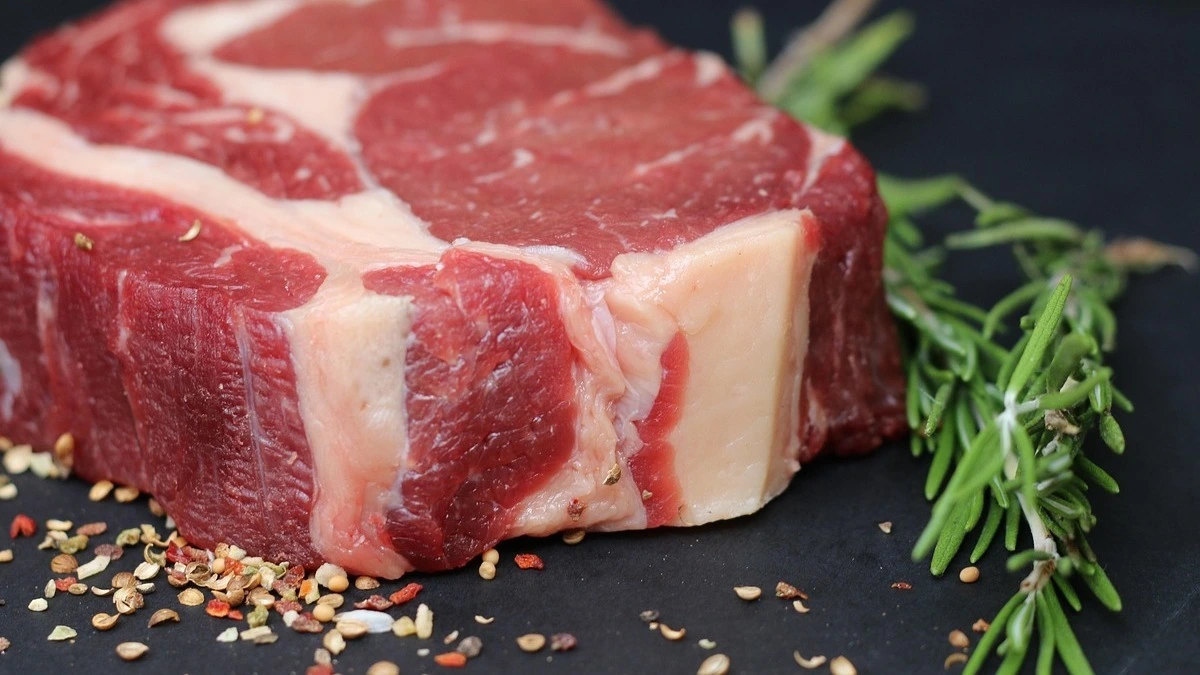

Nutrition support is not simply about eating more food. Rather, it is about choosing nutrients that the body can absorb, tolerate, and use efficiently during different physiological states. For this reason, red meat has long been valued in traditional and clinical nutrition alike. However, it is increasingly clear that not all red meats deliver the same metabolic outcomes.
Among commonly consumed options, goat, lamb, and camel meat are often grouped together. Yet, when examined closely through a pharmacological and nutritional lens, their effects on iron status, lipid metabolism, digestion, and recovery vary meaningfully. Understanding these differences becomes especially important during iron deficiency, pregnancy, and the post-pregnancy period.
Why Red Meat Still Matters in Clinical Nutrition
To begin with, red meat remains one of the most reliable dietary sources of heme iron, the form of iron that is absorbed two to three times more efficiently than plant based non heme iron. In addition, red meat supplies vitamin B12, zinc, selenium, and complete protein, all of which are essential for hemoglobin synthesis, immune competence, and tissue repair.
That said, the benefits of red meat are not automatic. The type of meat, its fat content, and its digestibility determine whether it supports recovery or quietly adds metabolic stress. Therefore, choosing the right red meat matters as much as including red meat itself.
Goat Meat (Chevon), Lean, Iron Dense, and Therapeutic
From a pharmacist’s perspective, goat meat stands out as one of the most balanced options for nutrition support.
Importantly, goat meat is naturally lean, containing less total fat and cholesterol than lamb. Despite this, it remains rich in heme iron and vitamin B12, making it particularly effective in correcting iron-deficiency anemia. As a result, it supports hemoglobin synthesis without placing an unnecessary lipid burden on the body.
Moreover, its protein is highly digestible. This characteristic becomes especially valuable during pregnancy and postpartum recovery, when gastrointestinal tolerance is often reduced due to hormonal shifts, slowed gastric emptying, or bile flow changes.
Clinically, goat meat is best suited for,
• Iron deficiency anemia
• Pregnancy, when iron needs rise sharply
• Post pregnancy recovery, including blood volume restoration
• Individuals needing animal protein with lower cardiovascular impact
In short, goat meat provides strength and repair without metabolic excess.
Lamb Meat, Nutrient Rich but Fat Heavy
In comparison, lamb meat is undeniably nutrient dense. It supplies iron, zinc, and vitamin B12 in substantial amounts. However, this nutritional richness comes with a tradeoff, higher saturated fat content.
During pregnancy, moderate lamb intake can support zinc dependent immune function and fetal growth. However, frequent consumption may worsen nausea, reflux, or excessive weight gain, particularly in women already sensitive to fatty foods.
Similarly, while lamb contributes iron, its iron to fat ratio is less favorable than that of goat meat. Consequently, from a therapeutic standpoint, lamb is better viewed as an occasional nourishing food rather than a daily recovery staple.
Most appropriate uses include,
• Short term nourishment in underweight individuals
• Zinc support during immune stress
• Occasional inclusion during pregnancy or postpartum periods
Thus, lamb nourishes well, but it should be used selectively.
Camel Meat, The Underrated Metabolic Ally
Interestingly, camel meat occupies a unique nutritional position. Although classified as red meat, it behaves metabolically closer to lean protein.
Camel meat is low in total fat, high in iron, and contains a more favorable proportion of polyunsaturated fatty acids. Emerging research also suggests that it has a lower impact on LDL cholesterol and may support insulin sensitivity.
From a clinical nutrition perspective, this makes camel meat particularly useful for individuals who require iron repletion but must also manage metabolic conditions such as diabetes or dyslipidemia.
Camel meat is especially suitable for,
• Iron deficiency anemia with metabolic comorbidities
• Post pregnancy recovery with weight or lipid concerns
• Chronic fatigue states where inflammation should be minimized
In essence, camel meat offers iron support with metabolic restraint.
Iron Deficiency, Choosing the Most Effective Meat
When addressing iron deficiency, intake alone is not enough. Absorption, tolerance, and long-term sustainability are equally critical.
Goat meat emerges as the first line option due to its optimal balance of iron density and digestibility. Camel meat follows closely, particularly in individuals requiring prolonged iron support without fat accumulation. Lamb, while helpful, is less ideal as a primary therapeutic meat.
Practical preference for iron deficiency, Goat meat first, camel meat next, and lamb meat as an occasional option.
Pregnancy, Nutrition Without Gastrointestinal Burden
During pregnancy, iron requirements increase significantly, while digestive tolerance often declines. Therefore, nutrient density must be balanced with gastrointestinal comfort.
Goat meat is generally the safest and most practical choice, supplying iron, B12, and protein without aggravating nausea or reflux. Camel meat is also appropriate, particularly for women with gestational diabetes or excessive gestational weight gain.
Lamb, although nutritious, is best limited to occasional meals during pregnancy rather than daily consumption.
Equally important, meats should be thoroughly cooked to reduce infection risk and improve digestibility.
Post Pregnancy and Lactation, Repair, Replenishment, and Balance
After childbirth, the body prioritizes tissue healing, blood restoration, and milk production. Protein and iron are central to this recovery phase.
Goat meat supports hemoglobin recovery and muscle repair while minimizing postpartum weight retention. Camel meat further supports metabolic balance, especially in women experiencing fatigue linked to insulin fluctuations. Lamb may help restore energy but should not dominate the diet.
A Pharmacist’s Practical Guidance
From a clinical standpoint, no single meat is universally superior. Instead, the right meat depends on the physiological goal.
For therapeutic nutrition and recovery, goat and camel meat are preferred. Lamb serves best as a supportive, occasional addition rather than a foundational choice.
Just as with medication, dose, frequency, and context determine benefit.
Final Takeaway
If nutrition were prescribed like medicine, goat meat would be the first line choice for iron deficiency and reproductive recovery. Camel meat would be the precision option for metabolic safety. Lamb, while nourishing, would be reserved for limited use.
Ultimately, effective nutrition is not about richness, but about right nutrient delivery at the right time.
FAQs
Q1. Which meat is best for improving hemoglobin levels in iron deficiency?
Goat meat is generally the preferred option for improving hemoglobin because it provides highly bioavailable heme iron with lower saturated fat, improving absorption and tolerance. Camel meat is a close alternative, especially in individuals with diabetes or lipid disorders, as it supports iron repletion without worsening metabolic parameters. Lamb can contribute iron but is less ideal as a primary choice due to its higher fat content.
Q2. Is camel or goat meat safer during pregnancy and post pregnancy recovery?
Goat meat is usually safer and better tolerated during pregnancy and the post-pregnancy period due to its lean nature, high-quality protein, and iron content without excessive fat. Camel meat is also appropriate, particularly in women with gestational diabetes, insulin resistance, or postpartum weight concerns. Lamb should be consumed occasionally rather than regularly during these stages.
Disclaimer
This article is for educational purposes only and does not replace personalized medical or nutritional advice. Individual needs may vary based on health status and clinical conditions.
Call to Action
For evidence-based nutrition insights that bridge pharmacology and real-world health, follow and share this article with those navigating recovery, pregnancy, or anemia management.
References
• American Journal of Clinical Nutrition, Documents superior absorption of heme iron from red meat compared to plant-based iron sources and its role in anemia correction.
• Nutrition Reviews, Reviews comparative fat and cholesterol profiles of goat, lamb, and camel meat, highlighting goat and camel meat as leaner options.
• Journal of Food Composition and Analysis, provides detailed nutrient analysis showing higher iron density and lower saturated fat in goat and camel meat compared to lamb.
• International Journal of Food Sciences and Nutrition, reports camel meat’s favorable polyunsaturated fatty acid profile and lower impact on lipid metabolism.
• World Health Organization (WHO), Confirms increased iron and protein requirements during pregnancy and postpartum recovery and the importance of bioavailable dietary sources.