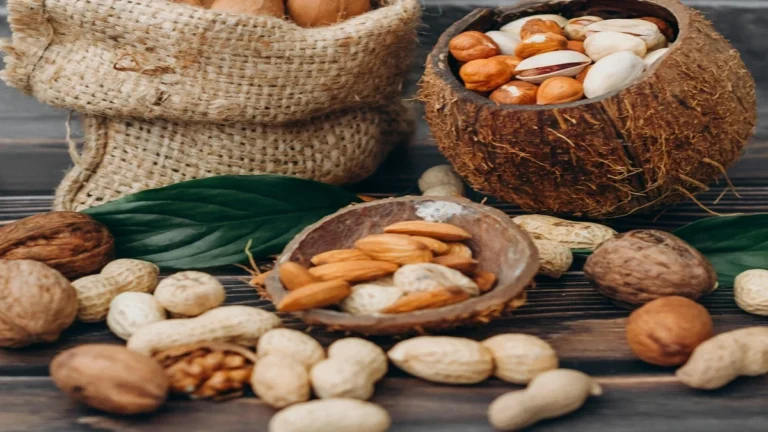
Winter changes how the body behaves. Energy feels lower, mood can swing, immunity weakens, skin becomes dry, and the heart has to work slightly harder in the cold. Inside this simple, everyday snack, peanuts, there’s a surprising amount of support for all of these winter challenges. They’re small, affordable, and packed with nutrients that quietly boost immunity, heart health, mood and even skin strength.
Beyond the Crunch (Why Peanuts Belong in Your Winter Pantry)
Although botanically legumes, peanuts behave nutritionally like nutrient packed nuts. Their blend of antioxidants, healthy fats, proteins, vitamins, minerals, and polyphenols fits the body’s winter challenges perfectly.
Here’s how this humble winter snack manages such an impressive scientific performance, all without making a big fuss.
1. Immune Support When Seasonal Infections Surge
Cold months bring a spike in infections, and your immune system needs ingredients that strengthen cellular defenses.
• Vitamin E protects immune cells from oxidative damage and improves immune response, as shown in research published in the Journal of Nutritional Biochemistry.
• Magnesium supports immune signaling and energy metabolism. Deficiency is associated with higher susceptibility to infections.
• Zinc helps develop and activate immune cells. A major review in the Journal of the American College of Nutrition highlights zinc’s importance during seasonal infection peaks.
Peanuts pack all three, giving your immune system a gentle winter advantage.
2. Heart Friendly Nutrition
Cold temperatures tighten blood vessels, nudge blood pressure upward, and increase cardiovascular strain. Peanuts offer nutrients that help counter this seasonal stress.
• They supply monounsaturated and polyunsaturated fats, which support smooth blood flow and healthier cholesterol patterns.
• Magnesium promotes blood vessel relaxation.
• Their resveratrol like polyphenols offer antioxidant protection to cardiovascular tissues.
Large studies, including the famous Nurses’ Health Study, have linked regular peanut consumption with better heart outcomes.
Your heart quietly benefits from that small winter handful.
3. Sustained Energy to Fight Winter Fatigue
Shorter days and colder air often trigger lethargy. Peanuts counter this with slow, steady energy.
• Protein combined with healthy fats digests slowly, preventing energy crashes. Research in the American Journal of Clinical Nutrition supports stable satiety and sustained energy from unsaturated fats.
• Fiber slows glucose absorption, preventing the winter energy roller coaster.
This gives your metabolism something dependable to work with during sluggish months.
4. Mood and Brain Health Support During the Winter Blues
Winter gloom affects many people, and peanuts offer nutrients with mood supporting roles,
• Tryptophan helps the body make serotonin; the neurotransmitter linked to emotional balance.
• Niacin (Vitamin B3) supports neurotransmitter production and cognitive performance.
• Healthy fats and antioxidants reduce brain inflammation and support smooth neural activity.
People who consume nuts regularly tend to show better emotional and cognitive stability, and peanuts fit right in.
5. Blood-Sugar Stability in Winter
Cold weather shifts eating patterns. Cravings rise, sugary comfort foods become tempting, and insulin sensitivity may dip slightly.
Peanuts help stabilize blood sugar in multiple ways,
• The mix of fiber, healthy fats, and protein helps slow the release of glucose into the bloodstream.
• Peanuts reduce post meal glucose spikes when eaten with meals
• Stable blood sugar reduces fatigue and cravings For anyone managing winter appetite, this is a valuable perk.
6. Dry Skin Relief from the Inside Out
Winter air is famously rough on skin. Peanuts support the skin barrier with nutrients that feed it from within.
• Vitamin E helps repair dry, irritated skin. Healthy fats nourish the skin barrier and improve elasticity.
• Biotin supports healthy skin structure and may reduce winter-related dullness.
Your skin benefits quietly from consistent nutritional support.
7. Satiety And Healthy Winter Weight Maintenance
Winter often brings weight gain due to lower activity and higher appetite. Peanuts help in a subtle, but powerful way,
• Their nutrient combo increases levels of satiety hormones such as PYY.
• They slow digestion and curb overeating.
• Studies consistently show that nut consumption does not typically lead to weight gain despite being calorie dense.
This makes peanuts one of the rare snacks that feel satisfying and support weight balance.
8. Stronger Winter Bones and Muscles
Cold months often mean reduced outdoor activity. Peanuts contain magnesium, a mineral essential for muscle relaxation, nerve conduction, and healthy bone formation. Magnesium also aids vitamin D metabolism, particularly helpful in winter when sun exposure declines.
9. Gut Microbiome Support for Better Immunity and Mood
Peanuts contain fiber and polyphenols that beneficial gut bacteria love.
A healthier microbiome supports,
• stronger immunity
• improved digestion
• reduced inflammation
• better mood regulation
This connects beautifully with winter priorities. since mood, immunity, and digestion all take hits during colder months.
10. Antioxidant Support Against Winter Oxidative Stress
Cold exposure, infections, and indoor heating increase oxidative stress. Peanuts offer antioxidants such as,
• p-coumaric acid
• vitamin E
• resveratrol like polyphenols
These help counter winter induced oxidative damage and support long term cellular health.
11. The “Warmth” Effect (Not Magic, Just Metabolism)
Peanuts won’t warm you like a blanket or cup of chai, but they provide subtle metabolic benefits that help you feel more comfortable in the cold.
Thermogenesis
• Protein and fat require more energy to digest. This process slightly increases body temperature by burning calories.
• Peanuts provide steady energy that lasts longer and support better temperature regulation during winter.
• Keeping your system fueled supports the body’s natural ability to maintain warmth.
So while peanuts aren’t a literal heat source, they indirectly contribute to winter comfort.
Choosing the Healthiest Winter Peanut Snack
A little mindfulness ensures you get the benefits without the downsides,
• Portion
Stick to 1–2 ounces (a small handful). Peanuts are calorie-dense.
• Type
Choose raw or dry-roasted. Avoid heavily salted, sugar-coated, or oil fried versions.
• Allergies
Peanut allergies can be severe. Avoid entirely if you’re allergic.
The Bottom Line
Peanuts shine in winter not because of hype but because of biology. They strengthen immunity, steady energy, support the heart, soothe winter mood dips, nourish the skin, stabilize blood sugar, help control appetite, support gut health, and fight oxidative stress, all while offering subtle thermogenic benefits.
That small handful of peanuts isn’t just a snack. It’s an inexpensive, accessible, science backed winter wellness tool supporting your body on multiple levels.
FAQs
1. Are peanuts good to eat in winter?
Yes. Peanuts provide healthy fats, protein, magnesium, antioxidants, and vitamin E, nutrients that naturally support heart health, immunity, skin protection, and steady energy during colder months.
2. Can peanuts help keep the heart healthy?
Peanuts contain monounsaturated fats, polyphenols, and magnesium, which support smoother blood flow and healthier cholesterol. Large population studies have consistently linked regular peanut intake with reduced risk of coronary heart disease.
3. Do peanuts boost immunity?
Peanuts are rich in vitamin E, zinc, and polyphenols, nutrients that support immune cell function and antioxidant defense during winter.
4. Can eating peanuts daily cause weight gain?
Peanuts are calorie-dense, so portion control matters. However, studies show peanuts promote satiety and may help prevent overeating by stabilizing energy levels.
5. Are peanuts safe for people with diabetes?
Peanuts have a low glycemic index and can help stabilize post-meal blood sugar. Still, individuals with diabetes should keep serving sizes in check and consult their healthcare provider if needed.
6. Do peanuts improve digestion?
Yes. Their natural prebiotic fibers support the growth of beneficial gut bacteria, helping digestion and metabolic health.
7. Are peanuts good for skin in winter?
Vitamin E, healthy fats, and niacin in peanuts support skin barrier function and help offset dryness from cold weather.
Disclaimer
This article is for educational purposes only and does not replace medical advice. Individuals with peanut allergies, metabolic conditions, or specific dietary restrictions should consult their healthcare provider before making any dietary changes.
Call to Action
For more evidence-based winter nutrition insights, stay connected. Explore more articles, share this information with your community, and keep nourishing your health one smart choice at a time.
Read more: https://pharmahealths.com/onion-diabetes-benefits/
References
1. Kris-Etherton PM et al. “Nuts and coronary heart disease: An epidemiological perspective.” British Journal of Nutrition. 2008.
2. Hu FB, Stampfer MJ et al. “Frequent nut consumption and risk of coronary heart disease in women.” Nurses’ Health Study, NEJM. 1998.
3. Fraser GE et al. “Nut consumption and risk of coronary heart disease in the Adventist Health Study.” Archives of Internal Medicine. 1992.
4. O’Neil CE et al. “Peanut consumption improves nutrient intake and diet quality.” Nutrition Research. 2012.
5. Guo X et al. “Effects of peanuts and peanut products on satiety and energy intake.” Journal of Nutrition and Metabolism. 2017.
6. Aryana KJ, Olson DW. “Prebiotic effects of peanut skin polyphenols on beneficial gut bacteria.” Food Microbiology. 2015.
7. Li TY et al. “Nut consumption and blood glucose control.” American Journal of Clinical Nutrition. 2009.
8. Jiang R et al. “Nut and peanut butter consumption and risk of type 2 diabetes.” JAMA. 2002.
9. Wu H et al. “Dietary vitamin E intake and immune function.” Nutrients. 2019.