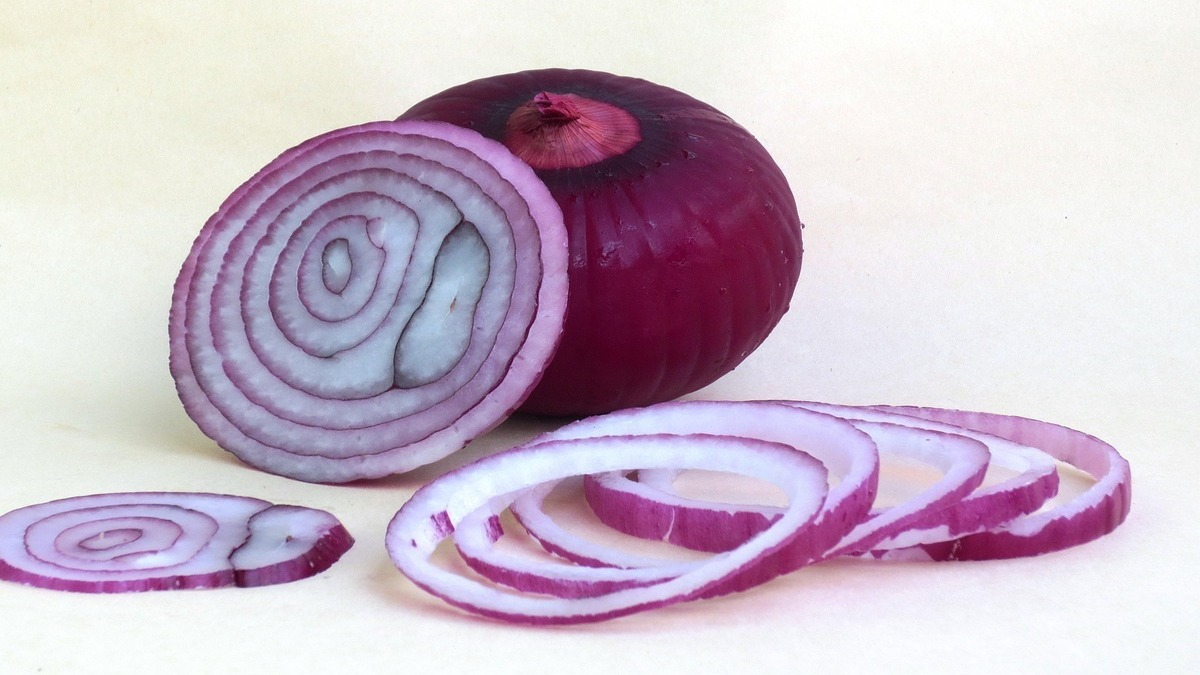

Onion is one of those humble, everyday vegetables that quietly carries serious metabolic power. Beyond adding depth and flavor to meals, onions contain bioactive compounds that directly support blood sugar regulation.
Several clinical and experimental studies show that onions may reduce blood glucose, improve insulin function, and protect against diabetes-related oxidative stress.
As reported in Environmental Health Insights and Phytotherapy Research, these effects are consistent across both human and animal studies.
This makes onion a surprisingly valuable tool in diabetes care. simple, accessible, and backed by science.
1. ONION HELPS LOWER BLOOD GLUCOSE LEVELS
Onions contain sulfur compounds, especially S-methylcysteine sulfoxide and S-allyl cysteine. Research shows these compounds can:
• Reduce fasting blood glucose
• Improve glucose tolerance
• Support pancreatic function
According to a study published in Environmental Health Insights by E.O. Eze and colleagues, consuming raw onion extract alongside standard antidiabetic therapy led to meaningful reductions in fasting blood glucose.
Another controlled trial also found that adding onions to meals lowered post-meal blood sugar spikes, an essential step for preventing complications in type 2 diabetes.
2. RICH IN QUERCETIN (A Powerful Flavonoid for Insulin Sensitivity)
Onion is one of the richest natural sources of quercetin, a flavonoid known for,
• Enhancing insulin sensitivity
• Reducing inflammation
• Improving glucose uptake in cells
• Lowering oxidative damage
As summarized by Bahadoran and colleagues in Phytochemistry Reviews, quercetin helps body cells respond better to insulin, which means glucose enters cells instead of accumulating in the bloodstream.
Findings published in Nutrients (2019) further highlight quercetin’s ability to reduce oxidative stress, an important factor in insulin resistance.
3. ONION SUPPORTS BETTER LIPID PROFILE IN DIABETES
Diabetes often travels alongside elevated cholesterol and triglycerides. Onion compounds have been shown to,
• Lower LDL (bad) cholesterol
• Reduce triglycerides
• Increase HDL (good) cholesterol
These metabolic improvements are supported by earlier research from Kumari and Augusti in the Journal of Medicinal Food, where onion sulfur compounds were shown to enhance lipid metabolism and reduce cardiometabolic risk markers.
4. HELPS PROTECT PANCREATIC Β-CELLS
Pancreatic β-cells produce insulin, and damage to these cells worsens glucose control.
Onions contain antioxidants including,
• Quercetin
• Vitamin C
• Sulfur compounds
• Phenolic acids
Animal studies published in Phytotherapy Research and the Journal of Medicinal Food consistently show that onion extracts help reduce oxidative stress and inflammation in pancreatic tissues. These protective mechanisms may preserve insulin producing β-cells and support natural insulin secretion.
5. ONION HELPS REDUCE DIABETES RELATED OXIDATIVE STRESS
High blood glucose generates excess free radicals, which accelerate cellular damage. Onion’s strong antioxidant capacity helps counter this oxidative stress,
The result is,
• Improved vascular health
• Lower inflammation
• Reduced risk of diabetic complications
Whether raw, red, or lightly cooked, onions retain substantial antioxidant activity.
This is supported by comparative antioxidant studies, including the Food Chemistry (2015) analysis by Ghosh and colleagues.
6. RED ONION OFFERS EXTRA BENEFITS
Red onions contain higher concentrations of:
• Anthocyanins
• Quercetin
• Phenolic antioxidants
These compounds appear particularly effective in supporting glucose regulation. Comparative evaluations such as the study by Ghosh et al. in Food Chemistry show red onions generally outperform white onions in antioxidant content and glycemic support.
7. BEST WAYS TO USE ONION FOR BLOOD SUGAR SUPPORT
While onions are not a substitute for medical treatment, they can complement a diabetes-friendly lifestyle,
Useful forms include,
• Raw onions in salads
• Lightly sautéed onions
• Onion extract (used in most studies)
• Red onion slices in meals
• Onion powder in soups and curries
High heat frying reduces beneficial compounds, so gentle cooking is preferable.
PRACTICAL TAKEAWAY
Onions lower blood sugar, improve insulin sensitivity, protect pancreatic cells, and reduce oxidative stress. This everyday vegetable works like a natural metabolic enhancer, simple, effective, and supported by modern research. When included in a balanced diet, onions can strengthen daily diabetes care while supporting heart, gut, and immune health.
FAQs
1. Can onion really lower blood sugar?
Yes. Onion contains sulfur compounds and quercetin, both shown in clinical (Environmental Health Insights) and animal studies (Phytotherapy Research) to reduce fasting blood sugar and improve insulin sensitivity.
2. Which type of onion is best for diabetes?
Red onions generally have higher antioxidant levels, especially anthocyanins and quercetin, giving them a slight edge for glycemic support.
3. How much onion should a person with diabetes eat?
There is no fixed dose. Most studies use extracts, but adding ½–1 medium onion per day is safe and can be beneficial as part of a balanced diet.
4. Is raw onion better than cooked for blood sugar control?
Raw or lightly cooked onions maintain more antioxidants. High heat reduces beneficial compounds.
5. Can onions replace diabetes medication?
No. Onions support blood sugar control but cannot replace prescribed medication or medical guidance.
DISCLAIMER
This article is for educational purposes only and does not replace medical advice. People with diabetes should not adjust medications or make major dietary changes without consulting their healthcare provider. Research on onion extracts is promising, but results vary, and dietary strategies work best alongside evidence based medical care.
CALL TO ACTION
If you’re looking to strengthen your diabetes nutrition strategy, consider adding simple, science backed foods like onions to your routine. Follow my page for weekly insights on metabolic health, functional foods, and practical lifestyle guidance.
Read more: https://pharmahealths.com/jamun-vs-mango-health-benefits-side-effects-summer-guide/
REFERENCES
1. E.O. Eze et al. Environmental Health Insights, 2015.
2. A. Kumari & P. Augusti. Journal of Medicinal Food, 2007.
3. M. El-Demerdash. Phytotherapy Research, 2005.
4. Bahadoran Z. et al. Phytochemistry Reviews, 2013.
5. Torres-Peña J. et al. Nutrients, 2019.
6. Ghosh S. et al. Food Chemistry, 2015.