

Written by Aisha Saleem, Pharmacist & Health Writer at PharmaHealths.com
Last Updated: August 2026
What should you know
• Heme iron from animal sources absorbs far more easily than nonheme iron from plants, though pairing plant iron with vitamin C narrows that gap significantly.
• Iron supplements come in several forms with real tradeoffs between cost, elemental iron content, and tolerability, not just “which one is best.”
• Alternate day dosing, rather than daily dosing, can improve absorption for some people.
• If your iron supplement doesn’t seem to be working despite consistent use, an undiagnosed absorption problem, including H. pylori infection, could be part of the reason.
What Foods Help Raise Low Ferritin?
If you’re trying to raise your ferritin, the type of iron you eat actually matters more than most people realize.
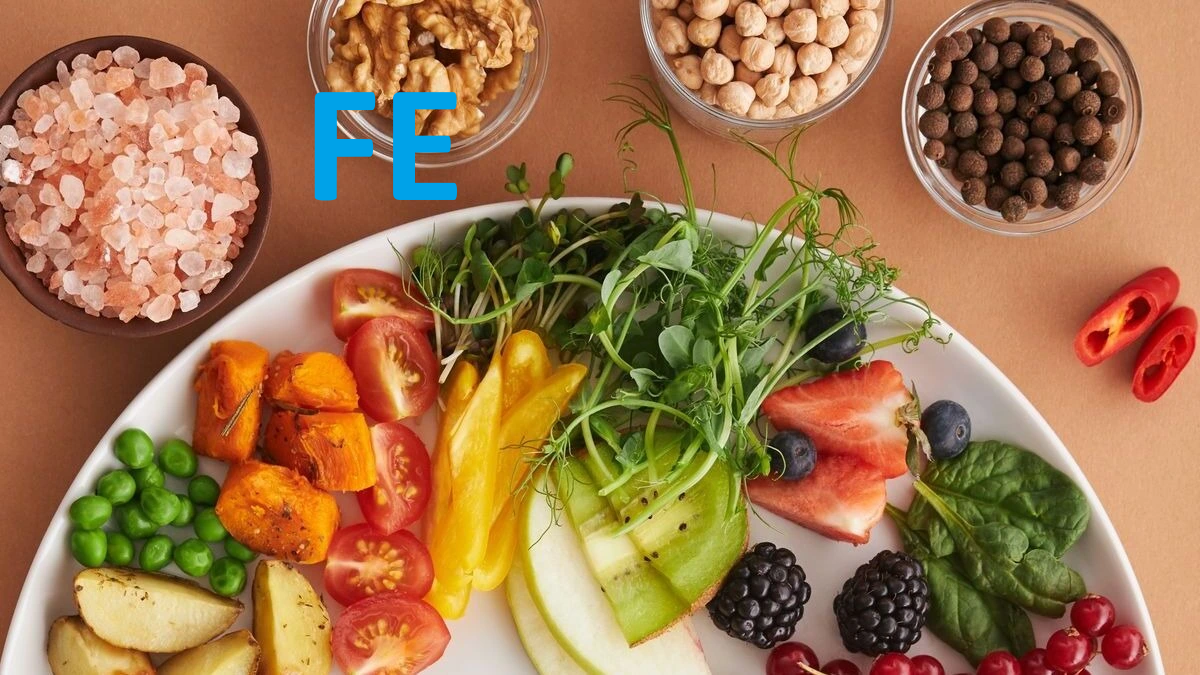
The best dietary sources split into two categories, and understanding the difference actually matters. Heme iron, found in red meat, poultry, and shellfish, absorbs considerably more efficiently than non heme iron from plant sources. Good heme sources include beef, lamb, turkey, chicken, and shellfish like clams, oysters, and mussels, which also carry a useful amount of vitamin B12 alongside the iron. Liver is particularly concentrated in iron, though it’s worth eating in moderation given its high vitamin A content.
Non heme sources include lentils, beans, tofu, dark leafy greens like spinach and kale, pumpkin seeds, iron fortified cereals and bread, and dried fruits like apricots and raisins. These are genuinely useful, especially for anyone eating plant based, but the iron in them absorbs less efficiently on its own. Pairing them with a source of vitamin C, like citrus fruit, bell peppers, or tomatoes, meaningfully improves how much of that nonheme iron your body actually takes up.
For example, someone eating a plant-based diet may technically consume enough iron, but without vitamin C pairing, much of it won’t be absorbed efficiently.
How Much Iron Do I Actually Need Each Day?
Before deciding how aggressively to change your diet, it helps to know the target. The recommended daily iron intake is 8 mg for adult men, 18 mg for women aged 19 to 50, and 27 mg during pregnancy, dropping back to 8 mg for women over 50. These figures reflect what a healthy person needs to maintain normal iron stores through diet alone, not a treatment dose for someone already deficient, which is typically higher and best guided by your doctor.
What Does a Sample Low-Ferritin Diet Day Look Like?
Breakfast might be unsweetened oatmeal topped with dried apricots or hemp seeds, alongside a glass of orange juice or another vitamin C rich drink to help absorption. Lunch could center on a lentil or bean-based salad with bell peppers and tomatoes. Dinner is a natural place for a heme iron source like lean beef, chicken, or shellfish, paired with a side of leafy greens. Spacing coffee, tea, or a calcium supplement away from these meals helps avoid blunting the iron absorption you’re working for.
How Can I Improve Iron Absorption from Food?
Here’s where small habits can make a big difference.
Beyond pairing plant iron with vitamin C, timing matters too. Coffee, tea, and calcium rich foods can interfere with iron absorption if eaten too close to an iron rich meal, so it’s generally sensible to space them apart rather than combining them in the same sitting.
Which Iron Supplement Is Best for Low Ferritin?
But food alone isn’t always enough, this is where supplements come in.
Iron supplements come in more forms than most people realize, and here’s how the common ones compare:
Ferrous sulfate is roughly 20% elemental iron, the most affordable and widely available option, and remains the first line choice in most clinical guidelines, though it’s also the most likely to cause constipation, nausea, or stomach upset.
Ferrous fumarate carries about 33% elemental iron, meaning a smaller tablet delivers a comparable dose, with a similar side effect profile to sulfate.
Ferrous gluconate is gentler but contains only about 12% elemental iron, so more tablets are needed to reach the same dose.
Ferrous bisglycinate, a chelated form, tends to cause fewer digestive side effects, typically dosed around 25 to 50 mg daily. It’s worth knowing that some research has found lower doses of bisglycinate don’t always match higher doses of ferrous sulfate for raising ferritin, so better tolerability doesn’t automatically mean an equivalent smaller dose will do the same job.
Polysaccharide iron complex is another gentler option, though a small trial in children found standard ferrous sulfate was slightly more effective.
Newer glycoprotein matrix and heme bound iron forms are being studied for potentially improved absorption compared to standard chelated forms, though this research is still early.
Quick takeaway
If cost is a concern, ferrous sulfate works well. If side effects are a problem, bisglycinate is often easier to tolerate.
Interestingly, taking iron every other day instead of daily may actually improve absorption for some people.
Alternate day dosing, rather than daily dosing, can also improve absorption for some people, likely because daily dosing triggers a temporary block in the gut’s iron-absorbing machinery, mediated by a hormone called hepcidin, that eases off by the following day.
Many clinicians consider a ferritin level below 30 ng/mL a reasonable point to start supplementation when symptoms fit, even if the result technically falls inside a lab’s broader “normal” range, and typical starting doses of elemental iron begin around 40 mg per day, meaningfully higher than the everyday dietary intake figures above, adjusted based on tolerance and follow-up testing.
Why Isn’t My Iron Supplement Working?
If your ferritin isn’t improving despite doing everything “right,” it’s worth looking a bit deeper.
If you’ve been taking iron consistently and your ferritin still isn’t improving, it’s worth asking your doctor about a few possibilities beyond simply “the dose is too low.” An H. pylori infection is a genuine, often overlooked cause. This bacterium reduces the stomach acid needed to properly absorb non heme iron, and it can directly compete with your body for iron as well. Research has found iron absorption normalizes after H. pylori is successfully treated, which makes it a reasonable thing to test for if supplementation alone isn’t moving the needle. Chronic blood loss from conditions like ulcers, hemorrhoids, or gastrointestinal bleeding can also outpace what oral supplementation can replace, as can ongoing heavy losses in endurance athletes.
Conclusion
Low ferritin isn’t just about eating more iron; it’s about absorbing it properly and identifying anything that might be blocking progress.
Raising low ferritin usually comes down to a combination of the right foods, the right supplement form for your tolerance, and ruling out anything that might be blocking absorption in the background. If you’ve been consistent with both diet and supplements without improvement, that’s a reasonable point to loop your doctor back in.
Disclaimer
This article is for informational purposes only and is not a substitute for professional medical advice, diagnosis, or treatment. Always consult a qualified healthcare provider regarding any medical condition.
References
• Cleveland Clinic – 52 Foods High In Iron: https://health.clevelandclinic.org/foods-high-in-iron
• NIH Office of Dietary Supplements – Iron, Fact Sheet for Consumers: https://ods.od.nih.gov/factsheets/Iron-Consumer/
• Lynch SR, et al. – Calcium does not inhibit the absorption of 5 mg of nonheme or heme iron at doses less than 800 mg in nonpregnant women (J Nutr, 2011): https://pubmed.ncbi.nlm.nih.gov/21795430/
• PubMed – Helicobacter pylori impair iron absorption in infected individuals: https://pubmed.ncbi.nlm.nih.gov/15285524/
• PMC/NCBI – Glycoprotein Matrix-Bound Iron Improves Absorption Compared to Ferrous Bisglycinate Chelate and Ferrous Fumarate: A Randomized Crossover Trial: https://www.ncbi.nlm.nih.gov/pmc/articles/PMC11972659/
• World Health Organization – Ferritin concentrations (ELENA): https://www.who.int/tools/elena/interventions/ferritin-concentrations
