
When patients walk into a pharmacy complaining of bloating, acidity, or irregular bowel habits, diabetes is rarely the first thing on their mind. But over time, a pattern becomes hard to ignore. Many of these same individuals return months or years later with rising blood sugar levels or a diagnosis of Prediabetes.
This is not a coincidence.
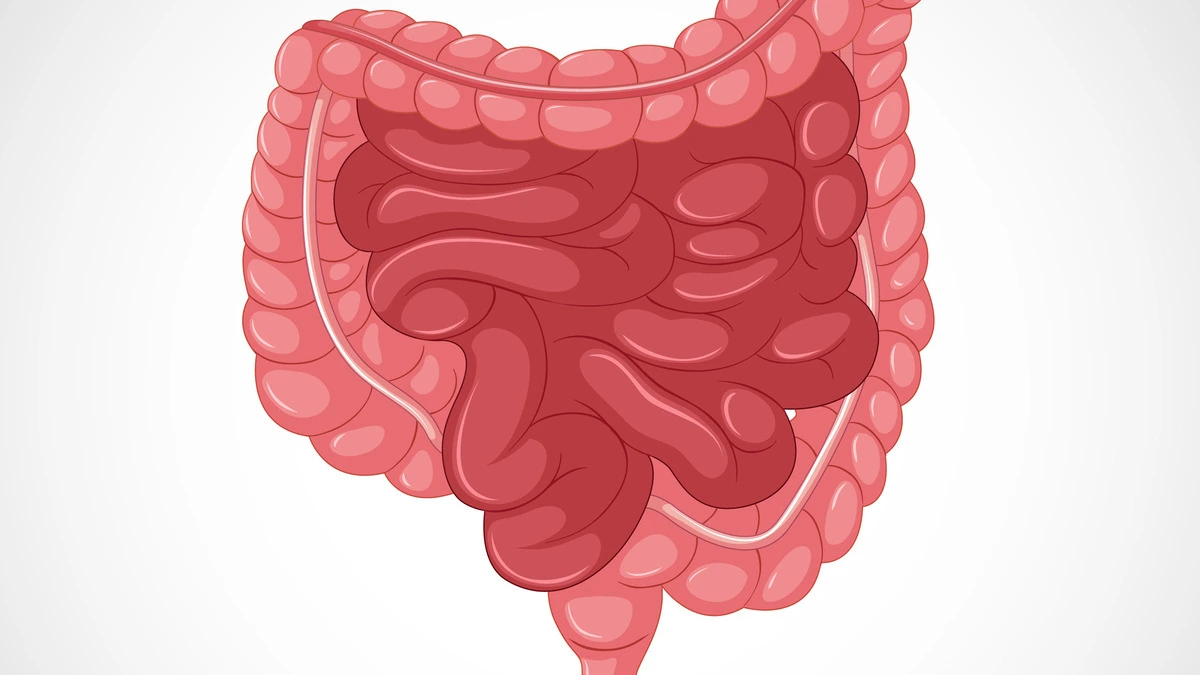
Modern research is reshaping how we understand diabetes. It’s no longer just about sugar intake or insulin alone. Your stomach and intestines, how they digest food, interact with bacteria, and regulate inflammation, play a surprisingly central role.
Let’s explore how and why this happens.
The Gut Is More Than a Digestive Organ
Most people think of the stomach as a food processor and the intestines as a nutrient absorption system. In reality, they act more like a metabolic control hub.
Inside your gut,
• Hormones are released that influence insulin
• Immune cells interact with food and bacteria
• Signals are sent to the brain to regulate hunger and metabolism
When this system works smoothly, blood sugar stays stable. When it doesn’t, the body starts losing control over glucose regulation.
1. When Gut Bacteria Fall Out of Balance
Your intestines are home to trillions of microorganisms, collectively called the gut microbiome. These bacteria are not passive; they actively shape your metabolism.
Healthy gut bacteria help,
• Break down complex carbohydrates
• Produce short chain fatty acids (SCFAs), which improve insulin sensitivity
• Reduce inflammation
But when the balance shifts. due to poor diet, stress, infections, or frequent antibiotic use, harmful bacteria begin to dominate. This condition is called dysbiosis.
What happens next?
• Beneficial SCFA production drops
• Inflammation quietly increases
• Insulin becomes less effective
Recent studies show that people with Type 2 Diabetes often have lower levels of beneficial bacteria and higher levels of inflammatory microbes. This imbalance can appear even before diabetes develops.
2. Chronic Gut Inflammation: A Silent Trigger
Many digestive complaints, like gastritis, indigestion, or irritable bowel symptoms, are linked with low grade inflammation.
This inflammation doesn’t stay confined to the gut.
It releases chemical messengers (cytokines) into the bloodstream, which,
• Interfere with insulin signaling
• Make cells less responsive to glucose uptake
• Gradually lead to insulin resistance
From a clinical perspective, this is one of the most overlooked pathways. Patients may treat acidity or bloating symptomatically, while the underlying inflammation continues to disrupt metabolic health.
3. The “Leaky Gut” Effect
The intestinal lining is designed to act as a selective barrier, allowing nutrients in while keeping harmful substances out.
But when the gut is irritated or inflamed, this barrier weakens. Tiny gaps form, allowing toxins and bacterial fragments to leak into the bloodstream. This is often referred to as increased intestinal permeability or “leaky gut.”
Why does this matter for blood sugar?
• The immune system becomes activated
• Systemic inflammation rises
• Insulin resistance worsens
Emerging research links this mechanism directly with the development of Prediabetes and metabolic disorders.
4. Impaired Digestion and Glucose Spikes
When stomach acid levels are off or digestion is sluggish,
• Food is not broken down properly
• Carbohydrates may be absorbed too quickly or unpredictably
This leads to,
• Sudden spikes in blood sugar
• Increased demand for insulin
• Greater stress on the pancreas over time
In practice, patients with chronic indigestion often report fatigue after meals, an early sign of unstable glucose handling.
5. Gut Hormones That Control Blood Sugar
The intestines produce hormones that directly regulate glucose levels. Two of the most important are,
• GLP-1 (glucagon like peptide-1)
• GIP (glucose dependent insulinotropic peptide)
These hormones,
• Stimulate insulin release after eating
• Slow down gastric emptying
• Help control appetite
When gut health is compromised,
• Hormone release becomes irregular
• Insulin response weakens
• Blood sugar rises more easily
This is why some modern diabetes treatments specifically target these gut hormones, they mimic what a healthy gut should be doing naturally.
6. The Gut–Brain Axis and Cravings
There is constant communication between your gut and brain through what’s known as the gut–brain axis,
• An unhealthy gut can:
• Alter hunger signals
• Increase cravings for sugar and processed foods
Affect mood and stress levels
This creates a cycle, poor gut health triggers unhealthy cravings, leading to weight gain and worsening insulin resistance, ultimately increasing the risk of Type 2 Diabetes.
Over time, this significantly raises the risk of Type 2 Diabetes.
7. Real World Observation from Pharmacy Practice
Over the years, a recurring pattern becomes clear.
Patients with long standing digestive issues often develop,
• Central weight gain
• Fatigue after meals
• Borderline fasting glucose levels
Many are surprised when their lab results show early metabolic changes. They often ask, “How did this happen? I don’t even eat that much sugar.”
The answer often lies in gut dysfunction rather than just diet alone.
Why This Is Happening More Today
Several modern lifestyle factors are quietly damaging gut health,
• Highly processed, low fiber diets
• Frequent antibiotic use
• Chronic stress
• Sedentary lifestyle
These factors,
• Disrupt gut bacteria
• Increase inflammation
• Impair metabolic regulation
Over time, this creates the perfect environment for insulin resistance and diabetes to develop.
What the Latest Evidence Suggests
Recent research highlights a few key points,
• Gut microbiome changes can occur years before diabetes diagnosis
• Improving gut bacteria diversity may enhance insulin sensitivity
• Certain gut derived compounds directly influence glucose metabolism
In simple terms, the gut is not just involved, it may be one of the earliest drivers of metabolic disease.
How to Support Gut Health and Protect Blood Sugar
The good news is that gut health is modifiable.
Simple, effective steps,
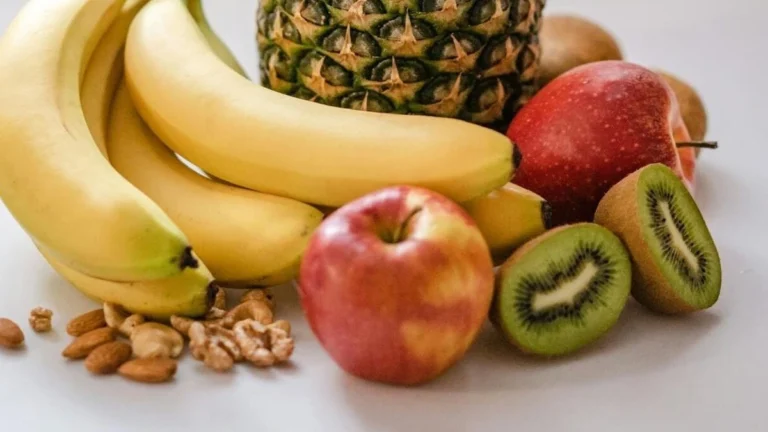
1. Prioritize fiber rich foods
Vegetables, legumes, and whole grains feed beneficial bacteria.
2. Include natural probiotics
Yogurt and fermented foods help restore microbial balance.
3. Limit ultra processed foods
These disrupt gut bacteria and promote inflammation.
4. Manage stress
Stress directly affects gut function and hormone balance.
5. Address digestive symptoms early
Persistent bloating, acidity, or irregular bowel habits should not be ignored.
The Takeaway
Your stomach and intestines are deeply connected to how your body handles sugar. When gut health declines, it sets off a chain reaction,
• Microbiome imbalance
• Inflammation
• Hormonal disruption
Over time, this can lead to Type 2 Diabetes.
Looking at diabetes through a gut health lens doesn’t replace traditional understanding, it completes it.
FAQs
Q1. Can gut problems cause diabetes directly?
Not directly, but they create conditions like inflammation and insulin resistance that significantly increase the risk.
Q2. Is improving gut health enough to reverse prediabetes?
In many cases, yes, especially when combined with diet and lifestyle changes.
Q3. Do probiotics help with blood sugar control?
Some studies suggest benefits, but results vary. A balanced diet remains essential.
Call to Action
If you’re experiencing frequent digestive issues along with fatigue or weight changes, don’t ignore the connection. Supporting your gut today could be one of the most powerful steps to protect your metabolic health tomorrow.
Disclaimer
This content is for educational purposes only and should not replace medical advice, diagnosis, or treatment. Always consult a qualified healthcare professional for personalized guidance.
References
• Nature Reviews Endocrinology, Gut microbiome’s role in insulin resistance and metabolic disease
• Diabetes Care Journal, ارتباط gut inflammation with glucose dysregulation
• Cell Metabolism, Microbiota derived metabolites influencing insulin sensitivity
• The Lancet Gastroenterology & Hepatology, Intestinal permeability and metabolic disorders
• Journal of Clinical Endocrinology & Metabolism, Gut hormones (GLP-1) in diabetes regulation