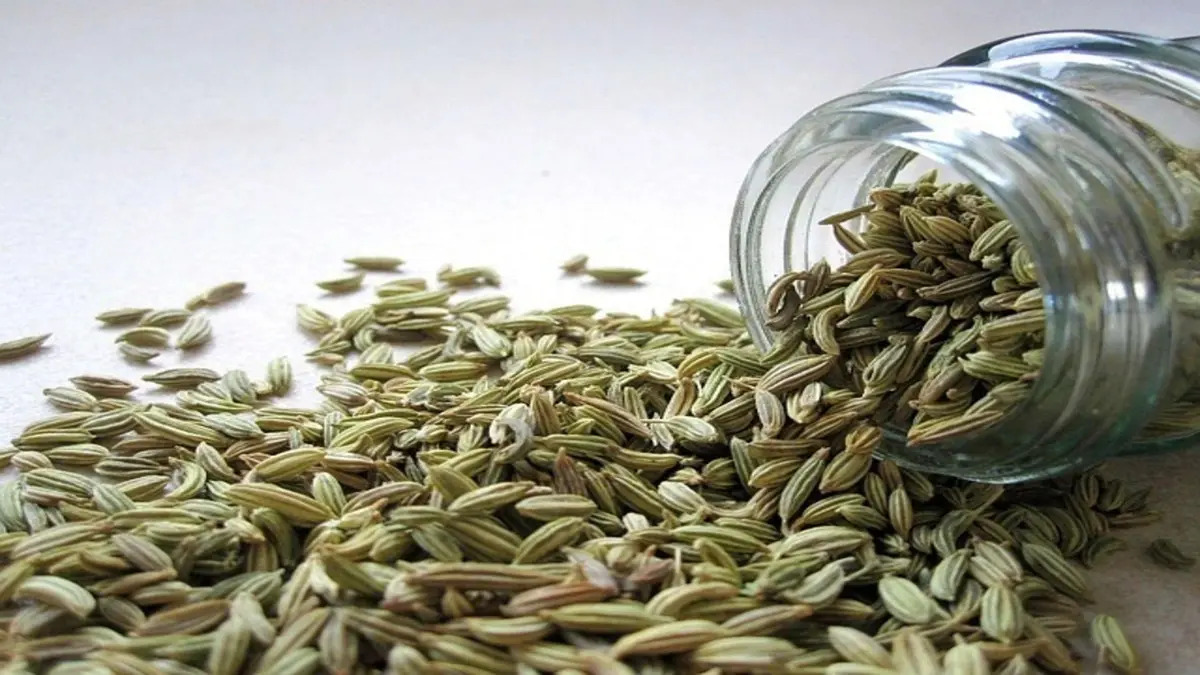

Fennel, scientifically known as Foeniculum vulgare, is a fragrant herb that has been treasured for centuries. While many know it for its culinary uses, fennel’s real magic lies in its health boosting properties. From supporting digestion to enhancing hormonal balance, fennel is a natural remedy suitable for people of all ages. In this article, we’ll explore its benefits and highlight some lesser-known advantages that make it truly remarkable.
What is Fennel?
Before diving into its health benefits, it’s important to understand what fennel is. This versatile plant has edible seeds, leaves, and bulbs, all rich in essential oils like anethole, fenchone, and estragole. These compounds are responsible for its soothing aroma, digestive support, and mild antimicrobial effects.
Interestingly, fennel is not only easy to incorporate into meals but also available as tea, powder, or extract, making it convenient for daily use. Its versatility is one reason it remains a cornerstone of traditional medicine systems worldwide.
Key Health Benefits of Fennel
1. Promotes Digestive Health and Relieves Bloating
First and foremost, fennel is famous for digestive support. Its carminative properties help relax the gastrointestinal tract, allowing trapped gas to escape and reducing bloating.
In practical terms, drinking fennel tea after a heavy meal or chewing a few fennel seeds can help you feel lighter and more comfortable. Studies have shown that compounds like anethole stimulate digestive enzymes, improving nutrient absorption and overall gut function.
2. Eases Colic in Infants
When it comes to babies, fennel can be a gentle lifesaver. Infants suffering from colic often experience prolonged crying due to digestive discomfort. Fennel helps relax the baby’s gastrointestinal muscles and reduce gas formation.
Research and anecdotal evidence suggest that small doses of fennel preparations can significantly decrease colic episodes. In addition, it is naturally safe for infants when given in appropriate amounts, unlike some stronger medications that carry side effects.
3. Provides Antimicrobial and Anti-inflammatory Support
Moreover, fennel possesses mild antimicrobial properties, which may help inhibit certain gut bacteria, while its anti-inflammatory effects can soothe irritation in the digestive tract.
This means fennel is not just a digestive aid, it can also support overall wellness by helping the body fight minor infections naturally. For example, fennel oil has been studied for its ability to reduce bacterial growth in the intestines and skin, offering gentle protection without harsh chemicals.
4. Supports Respiratory Health
In addition to digestive benefits, fennel can also promote respiratory comfort. Drinking fennel tea or inhaling its aroma may help clear mucus, ease mild coughs, and soothe irritated airways. This makes it a simple natural remedy during seasonal colds or for those with mild respiratory discomfort.
5. Rich in Antioxidants
Another notable benefit of fennel is its antioxidant content. Fennel seeds are packed with flavonoids and phenolic compounds that neutralize free radicals in the body.
By reducing oxidative stress, fennel may protect cells, support heart health, and slow age-related damage. Incorporating fennel regularly into your diet can therefore be a proactive way to boost overall health, rather than waiting to treat issues after they appear.
6. Hormonal Balance and Menstrual Health
A lesser known yet remarkable benefit of fennel is its potential impact on hormonal balance. Its phytoestrogens, plant compounds that mimic estrogen, may help relieve menstrual discomfort, reduce bloating, and ease mild menopausal symptoms.
In practice, drinking fennel tea during periods can provide gentle relief, offering a natural alternative to painkillers for women seeking holistic options.
7. May Support Lactation
Fennel is also considered a galactagogue, meaning it may help boost breast milk production in nursing mothers. Small studies suggest that regular consumption of fennel tea or seeds can increase milk volume, while also providing soothing comfort for both mother and baby.
8. Supports Heart Health and Blood Pressure
Fennel contains potassium, a mineral vital for cardiovascular health. Combined with its antioxidants, fennel may help reduce oxidative stress, improve blood vessel elasticity, and support healthy blood pressure levels.
Although fennel should not replace prescribed medications, adding it to a balanced diet can serve as a natural, heart friendly supplement.
9. Aids Weight Management and Metabolism
Finally, fennel’s fiber content and digestive support can help with weight management. Consuming fennel before meals may reduce appetite naturally, while its ability to enhance digestion ensures nutrients are absorbed efficiently. This gentle support makes it easier to maintain a healthy metabolism over time.
How to Use Fennel Safely
Fennel is generally safe for most people, including children, when used in moderation. Here are some practical tips for safe consumption,
• Chew 1–2 teaspoons of fennel seeds after meals to aid digestion.
• Prepare fennel tea by steeping 1–2 teaspoons of seeds in hot water for 5–10 minutes.
• Avoid concentrated fennel oils or extracts in infants unless advised by a healthcare professional.
• Pregnant women should consult their doctor before using fennel medicinally.
By following these simple guidelines, you can enjoy fennel’s benefits safely and effectively.
Conclusion
Fennel is much more than a flavorful herb; it is a natural wellness powerhouse. From easing infant colic and bloating to supporting menstrual comfort, heart health, and antioxidant defense, its benefits are wide ranging.
Incorporating fennel into your daily routine, through seeds, tea, or fresh bulbs not only enhances digestion but also contributes to overall wellness in a gentle, natural way. While it is not a replacement for medical treatment, fennel offers a centuries-old, evidence-backed solution for holistic health.
By embracing fennel’s therapeutic properties, you can support your body naturally, prevent discomfort, and promote everyday wellness, all with a simple herb found in your kitchen.
FAQs
Q1: Can infants safely consume fennel?
Yes, fennel preparations are safe for infants to relieve colic when given in age-appropriate doses under pediatric guidance.
Q2: Can fennel help with menstrual cramps?
Yes, fennel’s phytoestrogens can ease cramps and reduce bloating. Fennel tea is a popular natural remedy for menstrual discomfort.
Q3: Are there any side effects of fennel?
Fennel is generally safe in moderate amounts. Rarely, it may cause allergic reactions. Pregnant women should consult a doctor before medicinal use.
Disclaimer
This article is for educational purposes and does not replace professional medical advice. Always consult a healthcare provider before using fennel for therapeutic purposes, especially in infants, pregnant women, or individuals with chronic health conditions.
Call to Action
Discover the natural benefits of fennel with PharmaHealths! Make fennel a part of your daily routine, try fennel tea, seeds, or fresh bulbs today for better digestion, clearer airways, and overall wellness. Visit PharmaHealths for more trusted health tips and remedies.
References
• Traditional herbal medicine texts, supports digestive, colic, and respiratory benefits of fennel seeds.
• Anethole research, Shows digestive and anti-inflammatory properties.
• Phytoestrogen studies, Suggest menstrual and hormonal support.