
Written by Aisha Saleem, Pharmacist and Health Writer at PharmaHealths.com
Last Updated: July 9, 2026
Does Vaping Affect Bone Health?
Yes, growing research shows vaping can weaken bones and raise your risk of fractures, even if you’re young. For years vaping was marketed as the “safer” alternative to cigarettes, and in some ways that’s true for the lungs. But when it comes to your skeleton, the evidence tells a different story.
A study published in the American Journal of Medicine Open, using data from over 5,500 American adults in the National Health and Nutrition Examination Survey, found that people who had ever used e-cigarettes were associated with a higher reported rate of fragility fractures compared to those who never used them. These are the kind of fractures that happen from a simple fall from standing height, the kind your bones should easily withstand if they’re healthy. As a pharmacist, this is exactly the sort of finding I want my readers to know about before they assume vaping is a bone safe habit.
In this article, we’ll explore how vaping affects bone density, fracture risk, and long-term skeletal health.
How Does Nicotine Damage Bone Tissue?
Nicotine interferes directly with the cells responsible for building new bone. Your skeleton is constantly being broken down and rebuilt by two types of cells, osteoblasts that form new bone and osteoclasts that break old bone down.
Research published in the journal Bone reviewed dozens of studies and found that nicotine has complex, often dose dependent effects on both cell types, frequently slowing osteoblast proliferation and reducing the genes responsible for healthy bone growth. Separate laboratory research has shown nicotine suppresses the formation of mineralized bone tissue in osteoblast cells and interferes with the process osteoclasts use to break down and remodel bone.
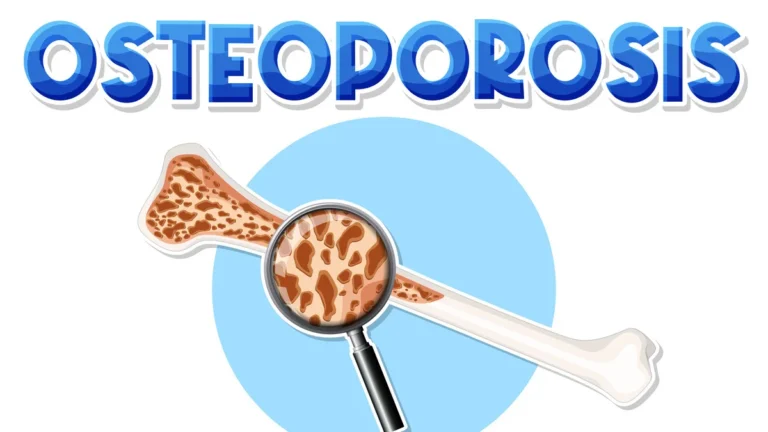
Over time, this imbalance can reduce bone density and make bones more fragile, increasing the risk of fractures even with minor stress.
Is Vaping Really as Bad for Bones as Smoking?
The honest answer is that vaping may carry its own distinct risks, not just a smaller version of smoking’s risks. A literature review published in the Journal of Inflammation found that e-cigarette vapor exposes bone tissue to nicotine along with flavoring chemicals, metal particulates, and carbonyl compounds, several of which independently impair osteoblast function.
What makes this especially concerning is that some of these effects were observed even in nicotine free e-liquids, suggesting that the vapor itself, not just nicotine, may contribute to bone related risks. Vape users also tend to take in nicotine more frequently throughout the day than traditional smokers, since e-cigarettes are easy to use discreetly and often refillable, which may mean more sustained nicotine exposure to bone tissue over time.
Can Vaping Affect Bone Healing After a Fracture?
Yes, nicotine has been shown to slow down the bone healing process after an injury or surgery. Research on nicotine and orthopedic outcomes has found it disrupts blood flow and cellular processes that are essential for bone regeneration after a fracture.
Because of this, many orthopedic specialists now advise avoiding vaping before and after procedures involving bone healing, similar to long standing recommendations for smoking cessation.
Does Vaping Increase Osteoporosis Risk in Young Adults?
Yes, and this is one of the more concerning parts of the research. E-cigarette use is highest among people in their late teens and twenties, precisely the years when the body is still building peak bone mass that it will rely on for the rest of life.
The same NHANES-based study found that e-cigarette use was associated with fragility fractures across all age groups studied, not just in older adults, suggesting the bone building years may be particularly vulnerable to this kind of chemical exposure.
What Vitamins and Habits Help Protect Bone Health If You Vape?
If you currently vape, there are concrete steps that support your bone health while you work toward quitting. Getting adequate calcium and vitamin D matters most, since vitamin D is what allows your body to actually absorb the calcium you eat.
Guidance from the National Osteoporosis Guideline Group recommends adults get enough vitamin D through diet, sun exposure, or supplementation, particularly if levels are found to be low, alongside regular weight bearing exercise like walking, jogging, or resistance training, which directly stimulates bone formation.
While these steps support bone strength, they do not fully offset the effects of nicotine or harmful vape compounds, which is why reducing or quitting remains the most effective strategy.
How Long After Quitting Vaping Does Bone Health Improve?
Bone health can begin improving once nicotine exposure stops, though full recovery of bone density takes time since bone remodeling happens gradually over months. The encouraging part of the research on smoking cessation is that stopping has been shown to partially reverse fracture risk over time, and there’s no biological reason to think nicotine cessation from vaping would behave differently.
Your bones remain responsive to positive changes, and even gradual reduction in nicotine exposure can support recovery over time. If you’re trying to quit, nicotine replacement therapy in the form of patches or gum delivers a controlled, steadily decreasing dose, which is a very different exposure pattern than the repeated spikes you get from vaping throughout the day.
FAQs
Q1. Does vaping affect bone density even without nicotine?
Some research suggests yes. Certain flavoring chemicals and carbonyl compounds in e-liquids have been shown to impair osteoblast function in laboratory studies independent of nicotine content, though nicotine remains the most studied contributor.
Q2. Can I vape after breaking a bone?
I’d strongly advise against it. Nicotine has been shown to slow bone healing and increase complication risk after fractures, which is why many orthopedic teams now advise avoiding nicotine use, including vaping, during recovery.
Q3. Is vaping safer than smoking for your bones?
Not clearly. While vaping avoids some of the combustion byproducts found in cigarette smoke, current research suggests e-cigarette vapor carries its own distinct set of bone related risks through nicotine, metals, and flavoring chemicals.
Q4. How does vaping affect dental bone health, like bone grafts?
Dental bone tissue responds to nicotine exposure much like the rest of the skeleton does, with reduced blood flow and impaired healing. This is why dental surgeons routinely advise stopping nicotine use, including vaping, before and after bone graft procedures.
Q5. Does vaping increase osteoporosis risk in young adults specifically?
Yes. Since e-cigarette use is most common among people in their late teens through twenties, a critical window for building peak bone mass, research has found fragility fracture associations across this age group, not just in older adults.
Q6. What vitamins help counter vaping’s effect on bones?
Calcium and vitamin D are the two most important, since vitamin D enables calcium absorption. Weight bearing exercise also plays a major role in maintaining bone density alongside proper nutrition.
A Note from Me
Your bones are still responsive to change, and reducing or quitting vaping can make a meaningful difference over time. If vaping is part of your daily routine, I’d encourage you to think of your bone health as one more reason, alongside your lungs and heart, to work toward quitting. I know that’s easier said than done, and I don’t say it to add pressure to what’s already a difficult habit to break.
If you want more support, I’ve written about nicotine replacement options and other lifestyle factors that affect long term bone strength elsewhere on PharmaHealths.com, and I’d invite you to explore those as you plan your next steps.
Disclaimer
This article is for general educational purposes only and does not replace personalized medical advice. Please consult your doctor, pharmacist, or a qualified healthcare provider before making changes related to vaping, bone health, or supplementation, particularly if you have an existing bone condition or are recovering from a fracture or surgery.
References
• American Journal of Medicine Open
• Bone (journal, systematic review on nicotine and osteogenesis)
• Journal of Inflammation
• National Osteoporosis Guideline Group (NOGG)