
Written by Aisha Saleem, Pharmacist & Health Writer at PharmaHealths.com
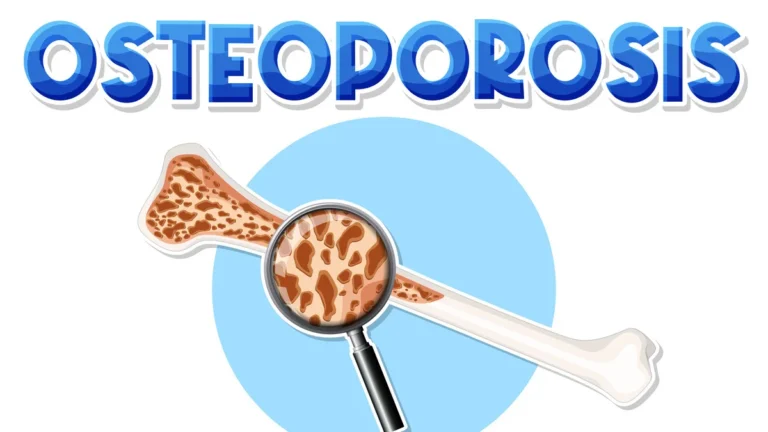
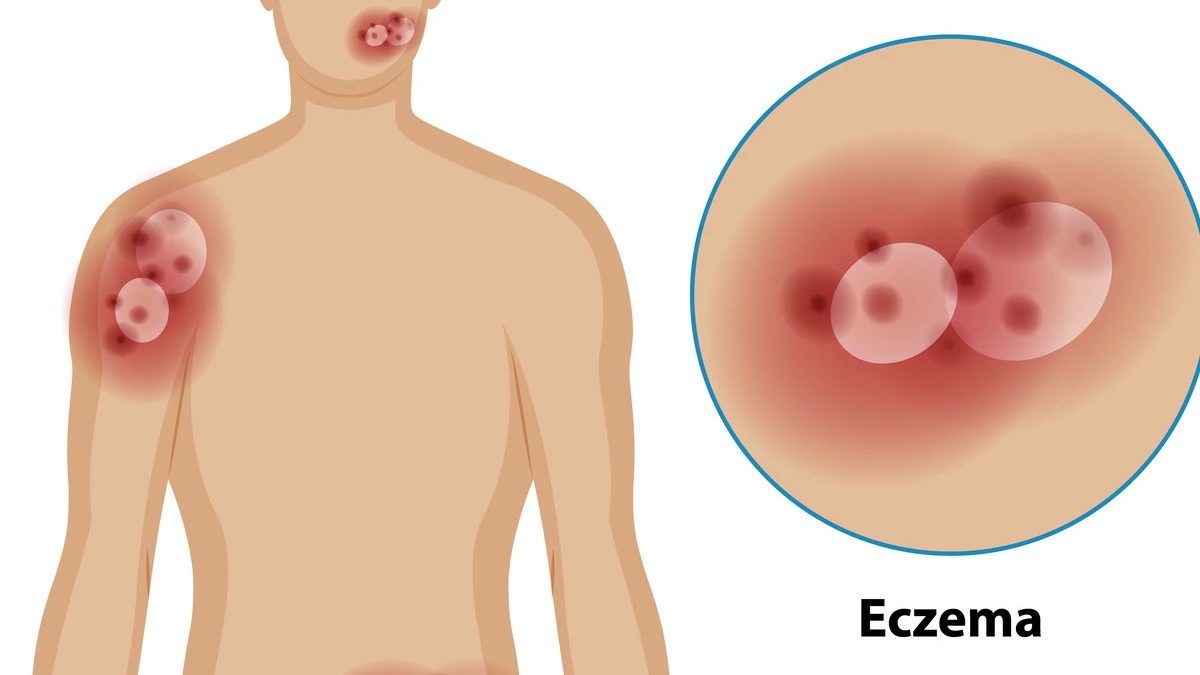
If you have lived with atopic eczema for years, your focus is naturally on your skin. Managing flares, finding the right treatments, and getting through difficult periods takes real energy. What often goes unnoticed is that long term eczema may also affect your bone health in ways most people never consider Bone health is probably the last thing on your radar. But as a pharmacist, I want to bring this connection to your attention because the evidence linking atopic eczema, chronic allergic disease, and osteoporosis risk is more substantial than most patients ever hear about.
Is There a Link Between Atopic Eczema and Osteoporosis?
Yes, there is a clinically meaningful link between atopic eczema and increased osteoporosis risk, and it operates through several overlapping pathways. This connection is not just a coincidence or a single isolated finding, it reflects a broader pattern seen in chronic allergic disease. It reflects the combined impact of chronic inflammation, vitamin D deficiency, corticosteroid use, and histamine driven bone resorption, all of which are disproportionately common in people living with atopic eczema and chronic allergic conditions.
How Does Chronic Allergic Inflammation Damage Bone?
Chronic allergic inflammation damages bone by sustaining elevated levels of pro-inflammatory cytokines that directly promote bone breakdown. In atopic eczema, the immune system is persistently activated along a Th2 pathway, producing cytokines including interleukin-4, interleukin-13, and interleukin-31. Research published in the Journal of Allergy and Clinical Immunology has documented that these cytokines, chronically elevated in atopic disease, independently stimulate osteoclast activity and suppress osteoblast function, meaning bone is being broken down faster than it is being rebuilt. In simple terms, the same immune signals driving eczema flares can quietly accelerate bone loss over time.
Histamine plays a direct role too. As I covered in my hub article on histamine and osteoporosis, histamine released during allergic reactions enhances RANKL signaling, which amplifies the activity of osteoclasts, the cells responsible for bone resorption. In a person with chronic eczema where mast cell activation and histamine release are recurrent events, this translates into a sustained pro resorptive environment affecting bone mineral density over time.
Does Steroid Use for Eczema Cause Bone Loss?
Yes, corticosteroid use for eczema is one of the most well-established contributors to bone density loss in this patient group. The extent of risk depends on the type, dose, and duration of corticosteroid exposure. Oral corticosteroids used for severe eczema flares carry the highest bone risk. According to guidance from the National Institute for Health and Care Excellence, patients on long term oral corticosteroids should be assessed for fracture risk and offered bone protective therapy, typically calcium, vitamin D, and in some cases bisphosphonates.
Topical corticosteroids, which are the mainstay of eczema management, carry a much lower systemic bone risk when used correctly. However, potent topical steroids applied to large body surface areas over long periods can result in measurable systemic absorption. A study published in the British Journal of Dermatology found that prolonged use of high potency topical corticosteroids over extensive skin areas was associated with suppression of the hypothalamic pituitary adrenal axis, which indirectly affects bone metabolism.
Intranasal corticosteroids used alongside topical therapy for co-existing allergic rhinitis add further cumulative steroid exposure that is worth factoring into the overall bone health picture. When multiple steroid forms are used together, the total exposure can become clinically significant over time.
Why Are Eczema Patients Particularly Vulnerable to Vitamin D Deficiency?
Eczema patients are particularly vulnerable to vitamin D deficiency for several reasons that compound each other. Many people with atopic eczema avoid or limit sun exposure because UV light can trigger or worsen flares, reducing the body’s natural ability to synthesize vitamin D through skin. Dietary restrictions due to co-existing food allergies further limit intake of vitamin D rich foods. Research compiled through the National Institutes of Health has shown that vitamin D deficiency is significantly more prevalent in people with atopic dermatitis compared with the general population, and that low vitamin D levels correlate with greater disease severity.
This matters directly for bone health because vitamin D is essential for calcium absorption and bone remodeling. Without adequate vitamin D, even a calcium rich diet cannot fully support healthy bone mineral density. This creates a compounding effect where multiple small risks combine into a much larger long-term impact on skeletal health. The combination of vitamin D deficiency, chronic inflammation, and corticosteroid use in eczema patients creates a triple threat to skeletal health that is clinically underappreciated.
Which Eczema Patients Are at the Highest Osteoporosis Risk?
Several patient profiles carry the highest combined risk. Adults with severe or long-standing atopic eczema who have used repeated courses of oral corticosteroids sit at the top of this risk hierarchy. Postmenopausal women with chronic atopic disease face compounded risk from both oestrogen decline, which accelerates bone loss by removing natural osteoclast suppression, and ongoing inflammatory and medication related bone resorption. Children with severe eczema on long term corticosteroid therapy are also a high-risk group because bone accumulation during childhood sets lifetime skeletal strength, and any interruption to this process has lasting consequences.
Adults with atopic eczema who also have co-existing allergic asthma using inhaled corticosteroids, and allergic rhinitis managed with intranasal steroids, carry significant cumulative corticosteroid burden that warrants bone health assessment even if no single medication reaches the threshold for concern in isolation. It is this cumulative exposure that often goes overlooked in routine care.
Is Biologic Therapy Like Dupilumab Better for Bone Health Than Steroids?
Dupilumab and other biologics used in moderate to severe atopic eczema do not carry the direct bone density risks associated with corticosteroids. Dupilumab works by blocking interleukin-4 and interleukin-13 signaling, which are the same cytokines that promote bone resorption in chronic atopic disease. By reducing the underlying Th2 inflammatory burden, dupilumab may indirectly support better bone health compared with ongoing corticosteroid reliance. Research published in the Journal of Investigative Dermatology has highlighted that effective biologic control of atopic disease reduces systemic inflammatory markers that contribute to bone resorption.
This does not mean biologics are prescribed specifically for bone protection, but for patients with severe eczema who are accumulating significant corticosteroid exposure, the shift toward biologic therapy may have beneficial secondary effects on skeletal health that are worth discussing with a dermatologist. Reducing long term steroid dependence remains one of the most important steps for protecting bone health.
What Can Eczema Patients Do to Protect Their Bones?
Protecting bone health when you have chronic eczema starts with addressing the specific vulnerabilities this condition creates. Vitamin D supplementation is a practical and important first step, particularly for those who limit sun exposure. Public Health England recommends 400 international units daily for most adults, and many clinicians suggest higher amounts for those with established deficiency. Calcium intake through diet or supplementation supports bone mineral density alongside vitamin D. Weight bearing physical activity, which stimulates bone formation, should be incorporated regularly where eczema activity permits.
For anyone who has used oral corticosteroids repeatedly for eczema flares, a conversation with your healthcare provider about fracture risk assessment and whether bone protective therapy is appropriate is a sensible and proactive step. Reviewing whether biologic therapy could reduce your overall corticosteroid burden is also worth raising if your eczema is not well controlled on current treatment. Small, consistent steps can make a meaningful difference in long term bone strength.
FAQs
Q1. Does eczema cause osteoporosis?
Atopic eczema does not directly cause osteoporosis, but it significantly increases the risk through chronic allergic inflammation, corticosteroid use, histamine driven bone resorption, and vitamin D deficiency. The combination of these factors creates a meaningful cumulative risk.
Q2. Can steroid creams for eczema cause bone loss?
Topical corticosteroids carry a much lower bone risk than oral steroids when used correctly. However, prolonged use of high potency creams over large body areas can result in systemic absorption that indirectly affects bone metabolism according to research published in the British Journal of Dermatology.
Q3. Why do eczema patients have low vitamin D levels?
Eczema patients frequently avoid sun exposure to prevent flares, reducing natural vitamin D synthesis. Food allergies may further restrict dietary intake. Research through the National Institutes of Health confirms that vitamin D deficiency is significantly more prevalent in people with atopic dermatitis than in the general population.
Q4. Is dupilumab safer for bones than steroids in eczema?
Dupilumab does not carry the direct bone density risks associated with corticosteroids. By reducing Th2 cytokine activity, it may indirectly support bone health compared with ongoing steroid reliance, according to research published in the Journal of Investigative Dermatology.
Q5. Should I take calcium if I use steroid creams regularly for eczema?
Calcium and vitamin D supplementation is a sensible step for anyone using corticosteroids regularly for eczema, particularly oral or high potency topical steroids over large areas. Always discuss your individual requirements with your pharmacist or doctor.
Q6. Who is at the highest osteoporosis risk with atopic eczema?
Postmenopausal women with severe eczema, adults with repeated oral corticosteroid courses, children on long term steroid therapy, and patients with co-existing asthma and allergic rhinitis using multiple corticosteroid types carry the highest combined risk.
Q7. Does vitamin D help with both eczema and bone health?
Vitamin D supports bone health by enabling calcium absorption and healthy bone remodeling. Some research also suggests a role in immune modulation relevant to atopic disease severity. Supplementation addresses both concerns simultaneously, making it particularly useful for eczema patients.
Q8. Should eczema patients have a bone density scan?
Routine DEXA scanning is not standard for all eczema patients but is recommended for those with repeated oral corticosteroid courses, significant cumulative steroid exposure from multiple routes, postmenopausal status, or other established osteoporosis risk factors.
Call to Action
If this article has prompted you to think more carefully about bone health alongside your eczema or allergy management, I have a full cluster of related content on pharmahealths.com that can help you build a clearer picture. Read my hub article on histamine and osteoporosis for the underlying science, explore my guide to calcium and vitamin D supplements during allergy therapy for practical supplementation advice, and browse the Bone Health and Skin Health sections for more evidence-based content written from a pharmacist’s perspective. Your skin and your skeleton are more connected than most people realize, and understanding that connection puts you in a much stronger position to protect both.
Disclaimer
This article is intended for informational purposes only and does not constitute medical advice. Always consult a qualified healthcare professional before making any changes to your medication, supplement routine, or before requesting diagnostic tests. Individual health circumstances vary, and nothing in this article should replace personalized clinical guidance.
References
• Journal of Allergy and Clinical Immunology
• National Institute for Health and Care Excellence
• British Journal of Dermatology
• National Institutes of Health
• Journal of Investigative Dermatology
• Public Health England