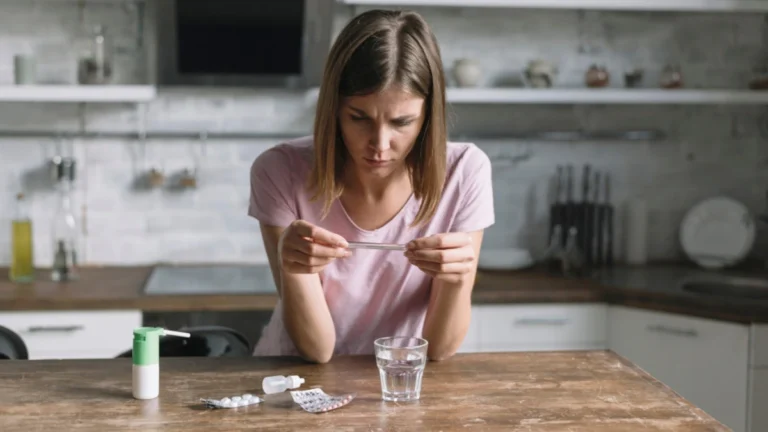

When antidepressants stop working, or never really worked in the first place, it can feel like you’ve hit a wall. You’ve done what the doctor suggested, you’ve waited the weeks you were told to wait, and yet you still feel the same. Or worse.
You’re not alone in this. Research published in the American Journal of Psychiatry found that nearly one in three people with depression do not achieve adequate relief from their first antidepressant. And for a significant number, a second or third medication still doesn’t get them to where they need to be.
Clinically, this is often referred to as treatment resistant depression, typically defined as an inadequate response to at least two antidepressants taken at the right dose for a sufficient duration.
This isn’t a character flaw. It isn’t a lack of effort. It’s a clinical reality, and importantly, it’s one that has real, evidence-based answers.
Here are the five most meaningful options available when antidepressants haven’t delivered the relief you were hoping for.
1. Switching or Combining Antidepressants (The First Clinical Step)
Before moving away from medication entirely, your doctor or psychiatrist may suggest either switching to a different antidepressant class or adding a second medication to work alongside the first.
This is more nuanced than simply swapping one pill for another. Different antidepressants work on different brain pathways. SSRIs like sertraline and fluoxetine primarily target serotonin. SNRIs like venlafaxine target both serotonin and noradrenaline. Adding a drug like mirtazapine or bupropion to an existing SSRI, a strategy sometimes called augmentation, can significantly improve response in people who’ve had partial results.
As Rush et al. (2006) reported in the American Journal of Psychiatry, the STAR*D trial, one of the largest real world depression studies ever conducted, showed that switching antidepressant class after an initial failure led to remission in around 25% of patients. Not a perfect figure, but meaningful, and usually the first step your GP or psychiatrist will explore.
What to ask your doctor: “Have we explored switching class or combining my current medication with something that works differently?“
2. Adding a Non-Antidepressant Medication (Augmentation Therapy
If you’ve already tried multiple antidepressants without success, augmentation with a non-antidepressant medicine is a well-established clinical strategy, and one that NICE guidelines recognize.
The most commonly used augmentation agents include,
• Lithium, One of the oldest and most studied options. As Bauer et al. (2014) demonstrated in the International Journal of Neuropsychopharmacology, adding lithium to an antidepressant can significantly improve response rates in treatment-resistant depression, with a robust and clinically relevant evidence base. It requires regular blood monitoring, but for the right patient, the results can be life changing.
• Atypical antipsychotics, Medicines like quetiapine or aripiprazole are sometimes added at low doses to boost antidepressant effect. They aren’t being prescribed because someone is psychotic, they work on additional neurotransmitter pathways that antidepressants alone don’t reach.
• Thyroid hormone (T3), Less commonly used but supported by evidence in select cases, particularly where thyroid function plays a role in mood regulation.
Best suited for: people who’ve had a partial response to antidepressants but not full relief.
Augmentation isn’t a quick fix, and it comes with its own monitoring requirements. But it’s an important option that’s often underused in primary care.
3. Psychological Therapy, Particularly CBT and Its Newer Variants
Medication alone was never meant to be the whole answer for everyone. Psychological therapies, particularly Cognitive Behavioral Therapy (CBT), have a strong evidence base for depression, and combining therapy with medication consistently outperforms either approach on its own.
As Cuijpers et al. (2014) found in a landmark meta-analysis published in JAMA Psychiatry, combining antidepressants with psychotherapy produced significantly better outcomes than antidepressants alone in people with moderate to severe depression, strongly supporting an integrated approach rather than medication in isolation.
But CBT isn’t the only option worth knowing about,
• Behavioral Activation (BA), A structured, practical approach focused on gradually re-engaging with activities that bring meaning and pleasure. Particularly useful when low motivation and withdrawal are central features.
• Mindfulness-Based Cognitive Therapy (MBCT), Developed specifically for people at risk of relapse. NICE recommends MBCT for people who have had three or more episodes of depression.
• Acceptance and Commitment Therapy (ACT), A newer approach that focuses less on challenging negative thoughts and more on changing your relationship with them.
Access to these therapies varies by country and healthcare system, but both public and private options are increasingly available in many regions.
4. TMS (Transcranial Magnetic Stimulation), Non-Drug Brain Stimulation
If medication hasn’t worked and you’d prefer to avoid further pharmaceutical options, TMS is one of the most well evidenced noninvasive alternatives available.
TMS uses targeted magnetic pulses to stimulate specific areas of the brain, particularly the left dorsolateral prefrontal cortex, a region consistently underactive in depression. It’s done as an outpatient procedure, requires no anesthetic, and most people can drive themselves home afterwards.
As George et al. (2010) reported in Brain Stimulation, a large multicenter trial found that active TMS produced significantly higher remission rates than sham treatment in patients who had failed at least one antidepressant, providing compelling evidence for TMS as a viable next step in treatment resistant cases. More recent real-world data has reinforced this picture.
The treatment typically involves daily sessions over four to six weeks. Response rates sit at around 50–60%, with full remission occurring in a smaller proportion.
It doesn’t work for everyone, but for a non-drug option, that’s a meaningful figure.
5. Ketamine and Esketamine (Spravato), Fast Acting Relief for Severe Cases
Ketamine is arguably the most significant development in depression treatment in the last 30 years. Unlike traditional antidepressants, which can take four to six weeks to show effect, ketamine works on the NMDA glutamate receptor and can produce noticeable improvement within hours to days.
Esketamine (Spravato), a nasal spray version of ketamine, was approved by NICE in 2022 for treatment resistant depression in adults who have not responded to at least two antidepressants. It’s administered in a clinical setting, with monitoring during and after each session.
As Popova et al. (2019) demonstrated in the New England Journal of Medicine, esketamine combined with a new oral antidepressant was significantly more effective at achieving remission than placebo plus antidepressant in patients with treatment-resistant depression, with a speed and magnitude of response that marked a meaningful departure from conventional antidepressant timelines.
It’s important to be clear about what ketamine therapy is and isn’t. It’s not a permanent cure, and its effects are often short term, meaning maintenance sessions may be required. It carries its own risks, dissociation, blood pressure changes, and potential for misuse outside a clinical setting. But for someone in the grip of severe, treatment-resistant depression, it can be the option that finally breaks through.
A Note on Lifestyle Factors, not a Replacement, But Not Nothing Either
No lifestyle intervention will replace medication or therapy in moderate to severe depression. But the evidence for certain lifestyle modifications as adjuncts, not alternatives, is stronger than many people realize.
As Blumenthal et al. (2007) showed in Psychosomatic Medicine, regular aerobic exercise produced effects comparable to antidepressants in mild to moderate depression, evidence that supports its inclusion as a meaningful part of a broader treatment plan, not a minor add-on. Sleep hygiene, omega-3 supplementation, and reducing alcohol also have supporting data as adjunct measures.
These aren’t suggestions to “just go for a walk.” They’re evidence informed additions to a proper treatment plan, and worth discussing with your doctor if you’re looking to do everything possible to support your recovery.
When to Seek Specialist Help
Consider asking for a referral to a psychiatrist if,
• You’ve had little or no improvement after trying two antidepressants
• Your symptoms are worsening despite treatment
• You’re experiencing suicidal thoughts or severe functional impairment
Final Thought
Running out of options is how depression feels, not how treatment actually works. There are multiple evidence-based paths beyond first line antidepressants. The key is staying engaged with care and not stopping at the first setback.
FAQs
Q1. How do I know if I have treatment resistant depression?
There’s no single test. Clinically, treatment-resistant depression (TRD) is generally defined as failing to respond adequately to two or more antidepressants taken at the right dose for a sufficient duration, usually six to eight weeks. If that sounds like your experience, it’s worth having a direct conversation with your GP about being referred to a psychiatrist.
Q2. Should I stop my current antidepressant before trying these options?
Not without guidance from your doctor or psychiatrist. Some options, like augmentation or TMS, are used alongside existing medication. Others may require a structured tapering plan first. Never stop an antidepressant abruptly.
Q3. Is it normal to feel like nothing will work?
Unfortunately, yes, and it’s one of the cruelest aspects of depression itself. The illness distorts your ability to believe treatment can work. But the clinical reality is that most people with treatment-resistant depression do eventually find meaningful relief when they’re able to access the full range of options. The key is persistence, specialist input, and not stopping at the first or second medication.
Call to Action
If this article helped you understand your options, consider sharing it with someone who might be struggling silently. Depression often convinces people they’ve run out of choices, when in reality, there are still evidence-based paths forward.
For clearer, science-backed insights on mental health, nutrition, and medication, follow along or explore more articles on this platform.
Disclaimer
This article is intended for informational purposes only and does not constitute medical advice. Always consult a qualified healthcare professional before making any changes to your treatment, including starting, stopping, or combining medications.
References
• Rush AJ et al. (2006), American Journal of Psychiatry, STAR*D trial; real-world outcomes after sequential antidepressant treatments.
• Bauer M et al. (2014), International Journal of Neuropsychopharmacology, Evidence supporting lithium augmentation in treatment-resistant depression.
• Cuijpers P et al. (2014), JAMA Psychiatry, Meta analysis showing combined psychotherapy and medication improves outcomes.
• George MS et al. (2010), Brain Stimulation, Clinical trial demonstrating efficacy of TMS in depression.
• Popova V et al. (2019), New England Journal of Medicine, Esketamine trial showing improved remission rates in treatment-resistant depression.
• Blumenthal JA et al. (2007), Psychosomatic Medicine, Study comparing exercise and antidepressants in depression treatment.