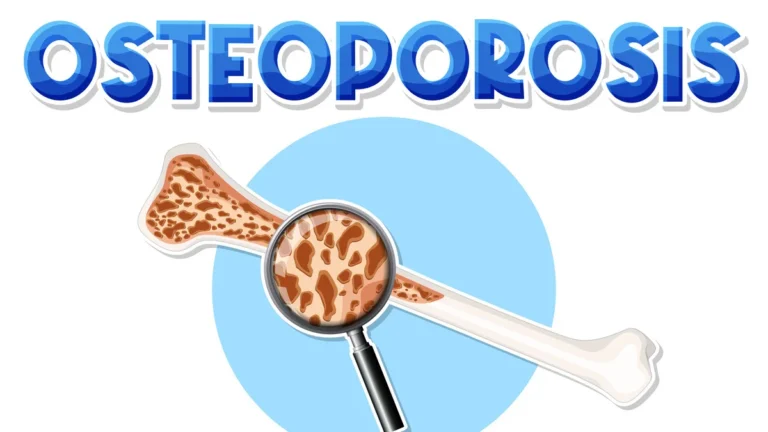

In many parts of the world, daily laborers lift bricks, carry sacks of grain, and move heavy loads for hours each day. Their diets are often modest, sometimes low in milk or other calcium rich foods. Yet, despite limited nutritional resources, they frequently display remarkable physical strength and resilience. Meanwhile, many of us, with access to balanced diets, supplements, and fortified foods, struggle to lift a simple 5‑kilogram bag. This contrast highlights a powerful but often ignored truth: movement matters more to bone strength than calcium intake alone.
In today’s increasingly sedentary world, prolonged sitting has quietly become one of the greatest threats to skeletal health. While calcium remains essential, research consistently shows that lack of mechanical loading causes faster and more profound bone loss than low calcium intake by itself.
Understanding this relationship is key to preventing osteoporosis and maintaining lifelong bone strength.
Bone Is a Living Tissue (The Power of Mechanical Loading)
Bone is not a static structure. It is a living, metabolically active tissue that constantly remodels itself through two opposing processes: bone formation and bone resorption.
Evidence from PubMed‑indexed and PMC‑hosted research shows that bone remodeling is highly sensitive to mechanical strain, with osteocytes acting as mechanosensors that regulate osteoblast and osteoclast activity. The balance between these processes determines bone strength over time.
One of the strongest signals that tells bones to grow stronger is mechanical loading, the physical stress placed on bones during movement. Activities such as walking, climbing stairs, lifting weights, or even carrying groceries create tiny strains within bone tissue. Bone cells sense these forces through a process called mechanotransduction, converting mechanical stress into biological signals that stimulate new bone formation.
When this stimulus is absent, as in prolonged sitting or inactivity, bones adapt in the opposite direction.
Human and animal studies indexed in PubMed and PubMed Central consistently demonstrate that mechanical unloading rapidly increases bone resorption and suppresses bone formation, leading to measurable declines in bone mineral density within weeks of inactivity. Bone breakdown accelerates, bone formation slows, and overall bone mineral density gradually declines.
Why Sedentary Lifestyles Accelerate Bone Loss
Extended inactivity sends a clear message to the skeleton; strength is no longer required. Clinical studies available through PubMed Central, including bed‑rest and sedentary lifestyle models, show significant losses in hip and lumbar spine bone mineral density even when calcium intake remains adequate. Over time, this leads to measurable structural changes.
• Reduced weight bearing activity decreases bone mineral density, particularly in the hips, spine, and legs.
• Muscle loss from inactivity further reduces the mechanical forces applied to bone, compounding bone loss.
• Even adequate calcium intake cannot fully offset the effects of prolonged mechanical unloading.
This phenomenon is clearly observed in astronauts exposed to microgravity, individuals on prolonged bed rest, and people with sedentary office-based lifestyles. In all cases, bone loss occurs rapidly despite normal or even optimized nutrition.
Calcium: Essential, But Not a Standalone Solution
Calcium is a fundamental building block of bone and plays a vital role throughout life, especially during growth, pregnancy, menopause, and aging. However, systematic reviews and meta‑analyses published in PubMed‑indexed journals report that calcium supplementation alone produces only modest increases in bone mineral density and does not fully prevent fracture risk in physically inactive adults. However, calcium functions more like raw material than an active driver of bone strength.
Without regular mechanical loading,
• Calcium absorption may still occur, but incorporation into bone is less efficient.
• Excess calcium may remain unused or be excreted rather than strengthening skeletal structure.
• Supplements alone show limited benefit in preventing fractures when physical activity is low.
Simply put, bones need a reason to hold onto calcium, and movement provides that reason.
Weight Training and Daily Movement (The Missing Link)
Resistance training and habitual movement place targeted stress on bones, triggering adaptive strengthening.
Randomized controlled trials and systematic reviews indexed in PubMed and PubMed Central show that resistance and high impact weight bearing exercises significantly improve or preserve bone mineral density at clinically important sites such as the hip and spine across age groups. This explains why physically demanding occupations often preserve bone mass despite lower dietary calcium intake.
Key benefits include,
• Increased bone density through repeated mechanical loading.
• Stronger muscles that pull on bones, enhancing structural integrity.
• Improved balance and coordination, reducing fall-related fracture risk.
• Better posture and spinal alignment, decreasing chronic stress on vertebrae.
• Positive metabolic and mental health effects that support long-term adherence.
Importantly, bones respond best to progressive loading, gradually increasing resistance rather than repetitive low intensity activity alone.
Practical Strategies to Protect Bone Health
Bone friendly movement does not require extreme workouts or gym memberships. Consistency matters more than intensity.
• Break up long sitting periods with standing or walking every 30–60 minutes.
• Include weight bearing activities such as brisk walking, stair climbing, or carrying loads.
• Perform resistance exercises at least twice weekly, targeting major muscle groups.
• Incorporate balance focused activities like yoga or tai chi to reduce fall risk.
• Pay attention to posture during daily tasks, as spinal loading influences vertebral strength.
Even small daily changes accumulate into meaningful skeletal benefits over time.
The Takeaway
Calcium remains an important nutrient for bone health, but it cannot compensate for a sedentary lifestyle. Bones thrive on challenge. They grow stronger when used and weaken when ignored. The everyday strength seen in physically active individuals, even with limited dietary calcium, underscores a fundamental biological principle: movement is the master regulator of bone health.
By prioritizing regular mechanical loading through daily movement and resistance training, we give our bones the stimulus they need to stay strong, resilient, and fracture‑resistant throughout life
FAQs
1. Can physical activity really protect bones even if calcium intake is low?
Yes. Evidence from PubMed and PMC shows that mechanical loading from weight-bearing and resistance activities directly stimulates bone formation. Bones adapt to stress by becoming denser and stronger, even when dietary calcium intake is modest.
2. Why does sitting for long hours harm bone health?
Prolonged sitting reduces mechanical stress on bones. Studies using sedentary and bed-rest models demonstrate increased bone resorption and reduced bone formation, leading to faster bone mineral density loss, particularly in the hips and spine.
3. Is calcium supplementation useless for bone health?
No. Calcium is essential as a building block of bone. However, systematic reviews indicate that calcium alone has limited impact on bone density unless combined with regular physical activity that provides mechanical loading.
4. Which types of exercise are best for bones?
Weight-bearing aerobic activities (walking, stair climbing) and resistance training (lifting weights, body-weight exercises) are most effective. PubMed-indexed trials show these exercises improve or preserve bone density at clinically important sites.
5. At what age does movement start to matter for bones?
At all ages. Research shows mechanical loading supports bone development in youth, helps maintain bone mass in adulthood, and slows bone loss in older adults.
Disclaimer
This content is intended for educational purposes only and does not replace medical advice. Individuals with osteoporosis, fractures, chronic illness, or mobility limitations should consult a qualified healthcare professional before starting or changing any exercise or nutrition program.
Call to Action
Strong bones are built through movement, not supplements alone. Reduce sitting time, add weight-bearing activity to your daily routine, and make resistance training a regular habit. Your bones respond to what you do every day, start giving them the stimulus they need.
Read more: https://pharmahealths.com/who-alert-super-flu-measles-2025/
References
1. Frost HM. Bone’s mechanostat: a 2003 update. The Anatomical Record. PubMed / PMC.
2. Turner CH. Mechanotransduction in bone: how mechanical forces influence skeletal health. Bone. PubMed.
3. Kohrt WM et al. Physical activity and bone health. Medicine & Science in Sports & Exercise. PubMed.
4. Weaver CM et al. Calcium plus vitamin D supplementation and fracture risk: systematic review and meta-analysis. BMJ. PubMed / PMC.
5. Guadalupe-Grau A et al. Impact of exercise on bone mass in adults and older individuals. Sports Medicine. PubMed.
6. Lang TF et al. Adaptation of bone to inactivity and mechanical unloading. Journal of Musculoskeletal & Neuronal Interactions. PubMed Central.