
In 1998, in the United Kingdom, a discredited study claimed a false link between bowel disease or autism and the MMR vaccine. Due to this incorrect finding, there was a significant drop in vaccination rates, which consequently led to a rise in measles cases.
Similarly, the COVID-19 pandemic has also resulted in a decline in measles vaccination coverage, raising the risk of global measles outbreaks.
The World Health Organization (WHO) and the Centers for Disease Control and Prevention (CDC) have warned the world about the contagious nature of measles a disease primarily affecting children but also capable of infecting unimmunized adults. If preventive measures are not implemented, the world may face another global measles outbreak. According to WHO and CDC, the rising number of measles cases after the COVID-19 pandemic has now become a global health threat.
WHY MEASLES HAS BECOME A GLOBAL HEALTH THREAT
The primary reason lies in the disruption of vaccination programs during the COVID-19 pandemic. Many children missed their scheduled immunizations, leaving them unprotected against several vaccine-preventable diseases. Among these, measles is one of the most contagious.
Without protection, about 9 out of 10 exposed individuals may contract measles. The declining vaccination rates have triggered a sharp rise in measles cases worldwide. Approximately 40 million children were deprived of vaccination during the pandemic. In the past year alone, measles cases have increased by 19% to 35%.
There is no specific antiviral medication for measles; vaccination remains the only effective preventive measure, offering about 95% protection. The resurgence of measles can also be linked to gaps in global vaccination coverage and disrupted disease surveillance systems.
Moreover, due to weakened immunity, infected children may develop pneumonia and diarrhea, which can be fatal. Therefore, measles outbreaks act as a forewarning of other potential disease outbreaks.
According to CDC and WHO, immediate global action is essential to prevent further escalation. Measles was under control before the COVID-19 pandemic, but its cases are again rising steadily. Globally, around 128,000 deaths have been reported, and cases in America, Europe, and Africa continue to increase.
WHAT IS MEASLES?
Measles is a highly contagious, acute respiratory illness caused by the measles virus. It is also known as rubeola and is preventable through vaccination.
HOW MEASLES SPREADS
The measles virus lives in the nose and throat of infected individuals. When an infected person breathes, sneezes, coughs, or talks, infectious droplets are released into the air, where they can remain active for up to an hour. These droplets can also settle on surfaces and stay infectious for several hours.
A healthy person may become infected by inhaling these droplets or by touching contaminated surfaces and then touching their eyes, nose, or mouth.
SIGNS AND SYMPTOMS OF MEASLES
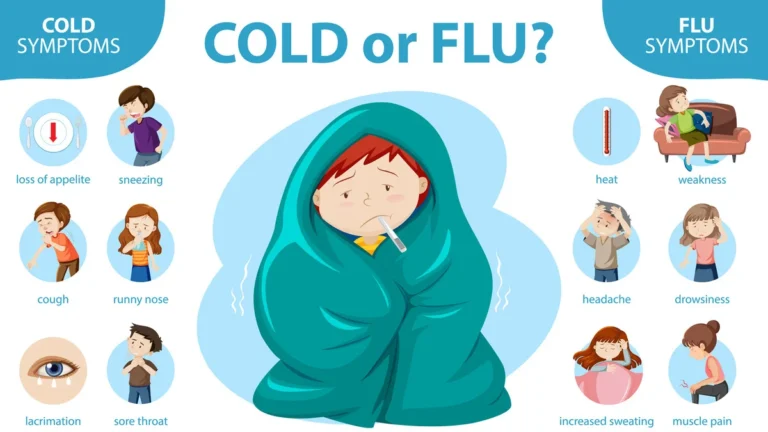
Common signs and symptoms include:
• Rash
• Fever
• Inflamed eyes (conjunctivitis)
• Sore throat
• Cough
• White spots inside the mouth
• Runny nose
RISK FACTORS FOR MEASLES INFECTION
The three main risk factors are:
1. Vitamin A deficiency, which increases disease severity.
2. Lack of measles vaccination.
3. Traveling to areas where measles infection is prevalent.
STAGES OF MEASLES INFECTION
After entering the body, the measles virus incubates for 10 to 14 days without showing symptoms. This is known as the incubation period.
Following incubation, nonspecific symptoms appear mild to moderate fever, sore throat, runny nose, persistent cough, and inflamed eyes lasting 2–3 days. Then, a characteristic red rash begins on the face and gradually spreads to the trunk and limbs.
During this stage, fever can spike as high as 104°F to 105.8°F (40–41°C). Recovery begins as the rash fades over about 7 days, starting from the face and then other parts of the body.
COMPLICATIONS ASSOCIATED WITH MEASLES
• Diarrhea and vomiting → severe dehydration
• Bronchitis, laryngitis, or croup → airway inflammation
• Encephalitis → brain swelling, potentially fatal
• Ear infections → bacterial complications
• Pneumonia → lung infection, major cause of death in measles cases
TREATMENT OF MEASLES
There is no specific antiviral treatment for measles. Management is symptomatic, similar to other viral infections.
• Acetaminophen may relieve fever.
• Adequate hydration helps prevent dehydration from vomiting or diarrhea.
• Rest strengthens immunity.
• Vitamin A supplements reduce symptom severity and risk of complications.
• A humidifier can ease cough and sore throat.
IMMUNITY AFTER MEASLES RECOVERY
Yes, a person becomes naturally immunized after recovering from measles, as their body develops antibodies against the virus.
Regular handwashing before meals and avoiding touching the face are effective preventive measures to reduce the spread of infection.
PERIOD OF CONTAGIOUSNESS
An infected person is contagious from four days before the rash appears until four days after it fades a total of about eight days.
MMR VS. MMRV VACCINE
• MMR protects against measles, mumps, and rubella
• MMRV protects against measles, mumps, rubella, and chickenpox.
MMR (MEASLES, MUMPS, AND RUBELLA) VACCINE
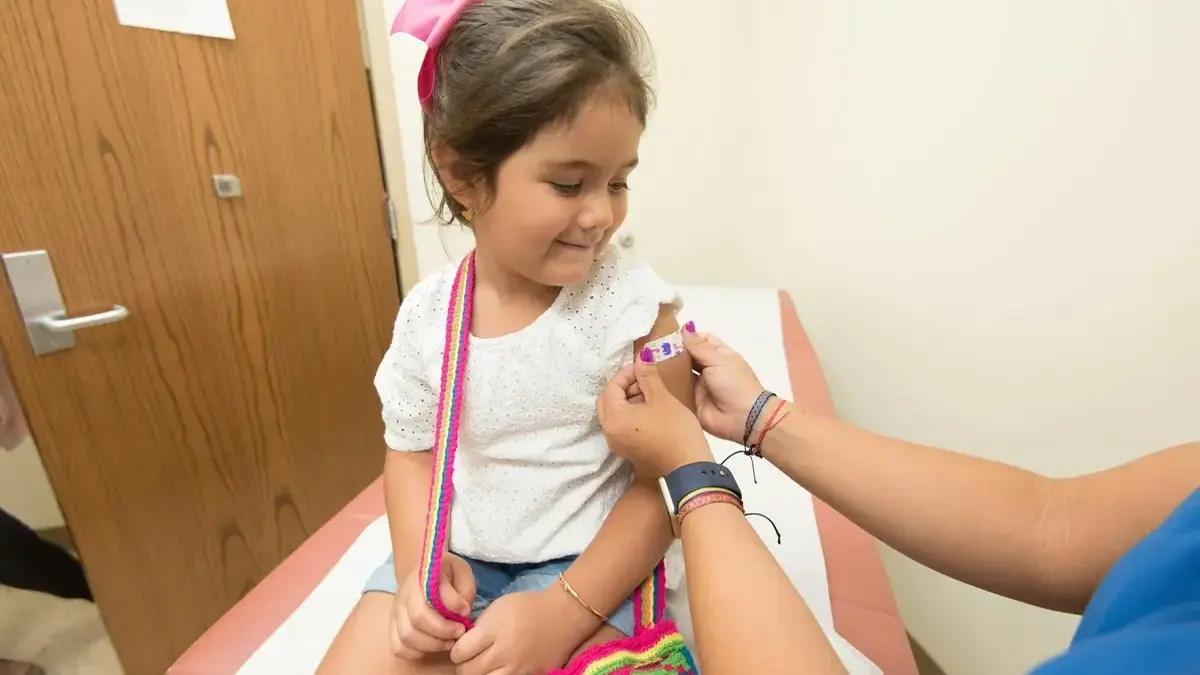
The combined live MMR vaccine aims to eliminate measles, mumps, rubella, and congenital rubella syndrome. Every child should receive two doses before entering primary school, unless contraindicated.
It should be administered irrespective of prior infection history.
DURATION OF PROTECTION
Two doses of the MMR vaccine provide lifelong protection (~97%). In rare cases where vaccinated individuals contract measles, symptoms are typically mild.
VACCINATION SCHEDULE
• First dose: at 13 months of age
• Second dose: before starting school (3–5 years old)
DURING MEASLES OUTBREAKS
When urgent protection is needed, such as during an outbreak, the second dose of MMR can be administered 1 month after the first dose.
If a second dose is given before 18 months of age, the child should still receive the routine dose before school entry.
YOUNG ADULTS AND SINGLE DOSE HISTORY
Young adults who received only one dose in childhood should receive a second dose to achieve full protection.
EXPOSURE MANAGEMENT IN YOUNG CHILDREN
• If children aged over 6 months are exposed to measles, they may receive the MMR vaccine for protection but should still get routine doses later.
• For household contacts aged 6–9 months, immunoglobulin is recommended.
VACCINATION FOR INTERNATIONAL TRAVEL
• Unimmunized adults should receive the MMR vaccine before traveling to high-risk areas.
• Children aged 6 months and above should also be vaccinated.
• 6–12 months: one dose
• ≥12 months: two doses before travel
CONTRAINDICATIONS TO MMR VACCINE
Severe immunosuppression
• Recent live vaccine within 4 weeks
• History of anaphylaxis to gelatin or neomycin
• Pregnancy avoid conception for 2 months post-vaccination
• Within 3 months of immunoglobulin injection, as it may reduce vaccine response
SIDE EFFECTS OF MMR VACCINE
• Idiopathic thrombocytopenia (rare, within 6 weeks)
• Seizures (very rare)
However, the benefits far outweigh the risks, as the risk of serious measles infection is much higher than these mild side effects.
CONCLUSION
Maintaining steady global vaccination rates is the only reliable way to prevent measles infection. The drop in vaccination levels after the COVID-19 pandemic has created a serious global health threat.
To prevent further outbreaks, governments, health organizations, and communities must work collectively to strengthen immunization programs. By restoring and expanding vaccination coverage, we can protect future generations from the resurgence of measles and other preventable diseases.
FAQs
1. Can measles be treated with antibiotics?
No. Measles is a viral infection; antibiotics are ineffective unless bacterial complications (like pneumonia) develop.
2. How long does the measles vaccine last?
Two doses provide lifelong protection for most individuals.
3. Can vaccinated people still get measles?
Yes, but infection is typically mild and less likely to cause complications.
4. Why are Vitamin A supplements recommended during measles?
They strengthen immunity and reduce the severity of symptoms and complications, especially in children.
5. Is measles dangerous for adults?
Yes. Unvaccinated adults can develop severe complications, including pneumonia and brain inflammation.
DISCLAIMER
This article is for educational purposes only. It does not replace professional medical advice, diagnosis, or treatment.
Always consult a qualified healthcare provider for guidance regarding vaccination schedules or disease management.
CALL TO ACTION
Vaccination saves lives yours, your child’s, and your community’s.
Check your family’s immunization record today and ensure all MMR doses are up to date.
Together, we can stop the resurgence of measles.
Read more: https://pharmahealths.com/misuse-of-dolor-suspension-in-children-pakistan/
REFERENCES
1. World Health Organization (WHO). Global Measles and Rubella Strategic Plan. Geneva: WHO; 2024.
2. Centers for Disease Control and Prevention (CDC). Global Measles Outbreaks 2023–2025 Update. Atlanta: CDC; 2025.
3. Patel MK et al. Progress Toward Regional Measles Elimination Worldwide, 2000–2023. MMWR Morb Mortal Wkly Rep 2024; 73: 150–158.
4. UNICEF. Immunization Coverage and Gaps Report 2024. New York: UNICEF; 2024.
5. Moss WJ. Measles. The Lancet. 2017; 390(10111): 2490–2502.