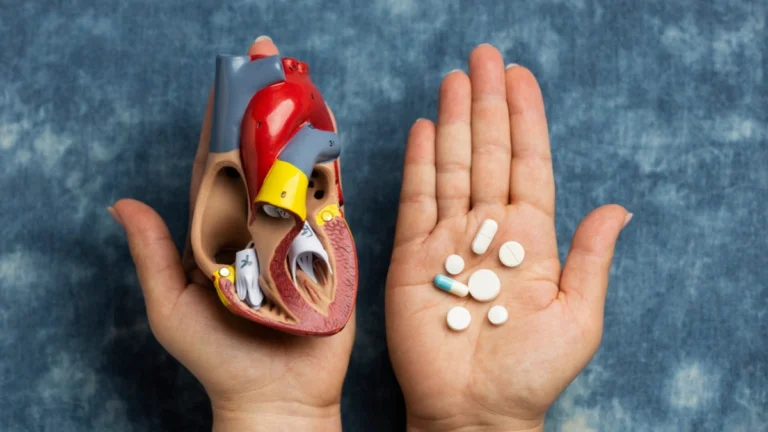

As Ramadan begins, daily routines shift dramatically. Eating windows shorten, hydration patterns change, and many people start taking vitamins to “stay strong” during fasting. At first glance, this habit appears sensible. After all, fewer meals might seem like fewer nutrients.
However, physiology is rarely that simple.
A clinical case highlighted by MedPage Today reported that a patient who regularly consumed vitamin supplements developed a rare type of kidney stone. Notably, the unusual stone composition was linked to excessive supplement intake rather than the usual dietary causes alone. This finding becomes especially important during Ramadan, when dehydration and supplement use often occur together.
From a pharmacist’s perspective, this is not an anti-vitamin message. Instead, it is a caution about dose, timing, and metabolic context.
Why Ramadan Changes the Way Your Body Handles Supplements
During fasting, the body enters a unique metabolic state. Fluid intake becomes restricted to non-fasting hours, urine volume decreases, and electrolytes become more concentrated. Consequently, the kidneys must work harder to filter metabolic waste with less fluid support.
Now, when high dose vitamins are added to this environment, the kidneys receive a higher load of excretory metabolites in a relatively dehydrated state. Therefore, even normally safe supplements can behave differently during Ramadan compared to non-fasting months.
In simple biochemical terms, concentrated urine plus increased solute load creates a higher probability of crystallization.
The Hidden Link Between Vitamins and Kidney Stones
To understand the risk, it is important to recognize how certain vitamins are metabolized. For instance, vitamin C is converted into oxalate in the body. Subsequently, elevated oxalate levels in urine can contribute to calcium oxalate stone formation.
Similarly, excessive vitamin D intake can increase calcium absorption. As a result, urinary calcium levels may rise, which is another well-established risk factor for kidney stones.
Meanwhile, chronic intake of multiple supplements may alter urinary pH and mineral balance. Over time, these biochemical shifts can encourage crystal aggregation inside the kidneys.
Thus, the issue is not vitamins themselves, but excessive and unnecessary intake.
Why Supplement Use Often Increases During Ramadan
Interestingly, many individuals begin daily multivitamins at the start of Ramadan due to fatigue, reduced daytime energy, or fear of nutritional deficiency. Moreover, social media trends frequently promote “immunity boosters” and high-dose vitamin regimens during fasting months.
However, evidence-based nutrition shows that balanced Suhoor and Iftar meals typically provide adequate micronutrients for most healthy individuals. Therefore, routine megadosing without clinical deficiency testing may be unnecessary.
In fact, over supplementation may place avoidable stress on renal filtration pathways.
Dehydration (The Overlooked Risk Factor During Fasting)
Equally important, dehydration is one of the strongest contributors to kidney stone formation. During prolonged fasting hours, especially in warmer climates, fluid loss continues through sweat and metabolism while intake remains restricted.
Consequently, urine becomes more concentrated. When combined with high supplement intake, this creates a metabolic environment favorable for crystal formation.
Clinical nephrology research consistently confirms that low urine volume increases the saturation of stone forming compounds. Therefore, hydration between Iftar and Suhoor is not just a comfort measure, it is a protective physiological strategy.
Common Vitamins That Require Caution in Ramadan
From a pharmacist’s counseling experience, the following supplements are most frequently overused during Ramadan,
• Multivitamins taken daily without deficiency
• High dose vitamin C for immunity support
• Vitamin D megadoses without medical indication
• Electrolyte supplements with added minerals
• Combination “energy” supplements
While these products are generally safe in recommended doses, excessive intake during fasting conditions may alter metabolic excretion patterns.
The Pharmacological Truth (Vitamins Are Biologically Active Compounds)
It is crucial to understand that vitamins function as bioactive molecules, not harmless extras. Even water-soluble vitamins, which are excreted in urine, still require renal processing. Consequently, chronic high intake increases metabolic filtration load.
Furthermore, fat-soluble vitamins such as A, D, E, and K accumulate in body tissues. Unlike water-soluble vitamins, they are not easily eliminated, which increases the risk of toxicity if taken in excess.
Therefore, the assumption that “more vitamins equal better health” is scientifically flawed.
Smart Supplement Timing During Ramadan
If supplements are clinically necessary, timing also matters. Taking large doses at Iftar along with heavy meals may overwhelm digestive and metabolic pathways. Conversely, spreading medically indicated supplements between Iftar and Suhoor may support better absorption and tolerance.
Nevertheless, supplementation should always align with actual nutritional needs, not seasonal habits.
High Risk Individuals Who Should Be Extra Careful
Certain groups should exercise additional caution with daily supplement use during Ramadan. These include,
• Individuals with a history of kidney stones
• Patients with diabetes
• People with chronic kidney disease
• Those taking calcium or vitamin D supplements
• Individuals consuming multiple OTC supplements together
For these populations, unsupervised high dose supplementation may increase metabolic complications.
Evidence Based Ramadan Nutrition Over Supplement Dependency
Instead of relying heavily on supplements, a balanced dietary approach offers a safer and more sustainable solution. For example, nutrient dense foods at Suhoor, such as eggs, yogurt, nuts, whole grains, and fruits, provide natural vitamins with better bioavailability.
Additionally, gradual hydration from Iftar to bedtime supports renal function and metabolic balance. In contrast, excessive supplement intake cannot compensate for poor hydration or unbalanced meals.
A Preventive Public Health Perspective
From a broader health standpoint, the MedPage Today case serves as a clinical reminder that supplement misuse can lead to rare but preventable complications. Importantly, such risks may be amplified during Ramadan due to physiological dehydration and altered metabolic rhythms.
Therefore, cautious, evidence-based supplement use should be part of Ramadan health awareness campaigns, especially in regions with long fasting hours and warm climates.
Final Clinical Insight
Ultimately, Ramadan is a period of discipline, reflection, and physiological adaptation. Supporting the body during fasting does not require excessive supplementation. Instead, it requires balance, hydration, and evidence-based decision making.
Biology operates on equilibrium, not excess. When vitamin intake significantly exceeds physiological requirements, the kidneys must eliminate the surplus. During fasting, when hydration is already limited, this additional burden may increase the risk of metabolic imbalances, including kidney stone formation.
In essence, thoughtful nutrition supports fasting. Unnecessary megadosing may quietly undermine it.
FAQs
Q1: Is it safe to take multivitamins daily during Ramadan?
Yes, in recommended doses and if needed. However, unnecessary high dose supplementation should be avoided.
Q2: Can vitamin C supplements increase kidney stone risk?
High doses may increase urinary oxalate levels, which are associated with certain types of kidney stones.
Q3: How can I reduce kidney stone risk while fasting?
Maintain adequate hydration between Iftar and Suhoor, avoid megadoses of supplements, and follow a balanced diet.
Disclaimer:
This content is for educational purposes only and does not substitute professional medical advice. Always consult a qualified healthcare provider before starting or modifying supplements, especially if you have kidney disease, diabetes, or a history of kidney stones.
Call to Action:
This Ramadan, prioritize hydration, balanced meals, and evidence-based supplement use. Small, informed choices can protect long term kidney and metabolic health.
References
• MedPage Today, Case report of a patient developing a rare kidney stone associated with chronic vitamin supplement intake.
• Journal of the American Society of Nephrology, Evidence that high vitamin C intake increases urinary oxalate, a major contributor to calcium oxalate kidney stones.
• Clinical Journal of the American Society of Nephrology, Confirms low urine volume and dehydration as key risk factors for kidney stone formation, especially in prolonged fluid restriction states.
• Kidney International, explains pathophysiology of nephrolithiasis, including roles of urinary calcium, oxalate concentration, and crystallization processes.
• National Kidney Foundation Guidelines, recommends adequate hydration and cautious supplement use to reduce kidney stone risk.
• Nutrition Reviews, Discusses metabolic handling of excess vitamins and the renal burden of chronic high-dose supplementation.