
When we talk about nutrient dense nuts, almonds and walnuts usually steal the spotlight. However, pecans deserve serious attention. With their rich, buttery flavor and impressive nutritional profile, pecans are more than just a dessert ingredient, they are a metabolically supportive whole food.
As a pharmacist, I always remind readers that no single food is magic. Yet some foods consistently show evidence-based benefits when included in a balanced diet. Pecans fall into that category.
Let’s explore what pecans are, where they come from, whether they are available in Pakistan, and what science says about their health benefits.
What Is a Pecan?
A pecan is the edible seed of the pecan tree, scientifically known as Carya illinoinensis. It belongs to the walnut family. Unlike peanuts (which are legumes), pecans are true tree nuts.
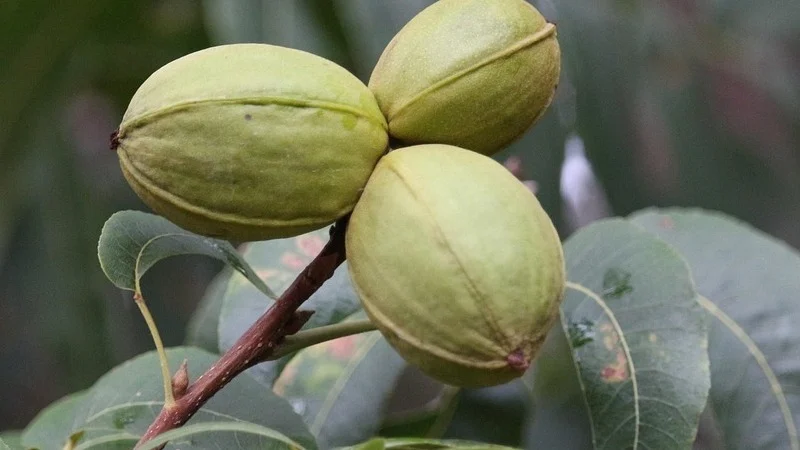
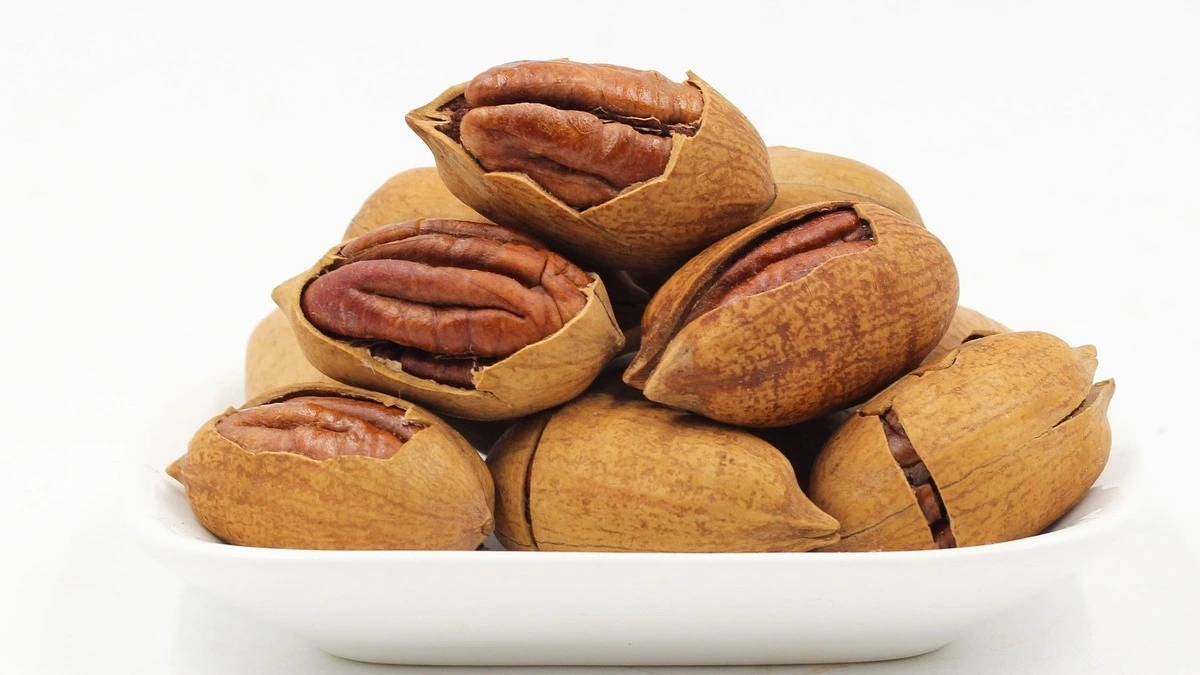
They grow inside a green outer husk that splits open when mature, revealing the brown, oval nut inside. Their naturally sweet, buttery taste makes them popular in baking, salads, snacks, and even savory dishes.
Nutritionally, pecans stand out because they are particularly rich in monounsaturated fats, the same heart friendly fats found in olive oil.
Where Do Pecans Come From?
Pecans are native to North America, especially the southern United States and northern Mexico. Indigenous communities consumed them for centuries before commercial farming began.
Today, the United States is the largest producer of pecans, particularly in states like Georgia, Texas, and New Mexico. Mexico is also a major producer.
They are harvested in autumn, shelled, and sold raw or roasted worldwide.
Are Pecans Available in Pakistan?
Yes, but they are not locally grown on a large scale.
In Pakistan, pecans are typically imported and available in,
• Large supermarkets in major cities such as Karachi, Lahore, and Islamabad
• Premium grocery stores
• Online dry fruit retailers
• Specialty imported nut suppliers
Because they are imported, pecans are usually more expensive than almonds or walnuts. However, increasing awareness about global nutrition trends has made them more accessible in recent years.
Nutritional Profile (What Makes Pecans Special?)
A small handful (about 28 grams) of pecans contains,
• Healthy fats (mostly monounsaturated)
• Dietary fiber
• Moderate protein
• Vitamin E (especially gamma tocopherol)
• Magnesium
• Zinc
• Phosphorus
• Manganese
• Polyphenols and flavonoids (plant antioxidants)
They are naturally cholesterol free and low in carbohydrates.
This combination of fats, fiber, and micronutrients explains many of their potential health effects.
Evidence Based Health Benefits of Pecans
1. Heart Health Support
Pecans are particularly rich in monounsaturated fats. These fats help reduce LDL (“bad”) cholesterol while maintaining or improving HDL (“good”) cholesterol.
They also contain phytosterols, plant compounds that reduce cholesterol absorption in the gut.
Clinical nutrition studies show that diets including nuts like pecans are associated with lower cardiovascular risk markers. Replacing saturated fats or processed snacks with pecans may improve lipid profiles over time.
A comprehensive review covering more than 20 years of research has consistently shown that regular pecan consumption, when included in a balanced diet, is associated with significant improvements in cardiovascular risk markers. These include reductions in total cholesterol, LDL cholesterol, triglycerides, and non-HDL cholesterol.
Researchers attribute these benefits to pecans’ unique combination of monounsaturated fats, dietary fiber, plant sterols, and antioxidant polyphenols. Together, these nutrients work through complementary mechanisms reducing cholesterol absorption, improving lipid metabolism, and lowering oxidative stress that contributes to atherosclerosis.
Interestingly, individuals who regularly consume pecans also tend to demonstrate better overall diet quality. Some evidence suggests pecans may enhance satiety, which can indirectly support metabolic health and long-term cardiovascular risk reduction, although certain emerging areas still require further long-term research.
This is especially relevant in South Asia, where cardiovascular disease rates are rising rapidly due to high intake of refined carbohydrates, trans fats, and sedentary lifestyles.
2. Blood Sugar Regulation
Despite being energy dense, pecans are low in carbohydrates and rich in fiber and healthy fats. This slows digestion and reduces post meal blood sugar spikes.
Including nuts in meals has been shown to improve glycemic response, making pecans a smart snack choice for individuals concerned about insulin resistance or type 2 diabetes risk.
They do not replace medical treatment, but they can complement a balanced dietary pattern.
3. Antioxidant and Anti-Inflammatory Effects
Pecans contain powerful antioxidants such as polyphenols and vitamin E. These compounds help neutralize free radicals, which contribute to oxidative stress and chronic disease.
Chronic low-grade inflammation plays a role in heart disease, metabolic syndrome, and aging. Nut rich diets have been associated with reductions in inflammatory markers.
While pecans are not anti-inflammatory drugs, they contribute to an overall anti-inflammatory dietary pattern.
4. Gut Microbiome Support
The fiber and polyphenols in pecans can act as prebiotics. Prebiotics feed beneficial gut bacteria. When gut bacteria ferment fiber, they produce short chain fatty acids like butyrate, which support gut lining health and metabolic balance.
Emerging research suggests that regular nut consumption may improve gut bacterial diversity, an increasingly important marker of overall health.
5. Liver Health and Lipid Metabolism
Because pecans are high in monounsaturated fats, they may support healthier fat metabolism in the liver.
Dietary patterns that emphasize unsaturated fats instead of refined carbohydrates are associated with improved liver enzyme profiles and reduced fat accumulation in the liver.
This does not mean pecans cure fatty liver disease. However, replacing processed snacks with nuts may be a helpful dietary shift.
6. Weight and Appetite Control
Many people fear nuts because they are calorie dense. However, research consistently shows that moderate nut consumption does not promote weight gain when eaten appropriately.
Why?
• Fiber increases fullness
• Healthy fats slow digestion
• Chewing triggers satiety hormones
• Not all nut fats are fully absorbed
In fact, nuts may improve appetite regulation when replacing refined snacks.
Portion control remains important. A small handful per day is generally sufficient.
7. Brain and Cognitive Health
Diets rich in antioxidants and healthy fats are associated with better cognitive aging outcomes.
While specific long term clinical trials on pecans alone are limited, observational studies show that regular nut consumption correlates with slower cognitive decline.
The brain is nearly 60% fat. Providing high quality fats and antioxidants makes biological sense.
8. Skin and Immune Support
Vitamin E and zinc found in pecans support skin barrier integrity and immune function.
Again, pecans are not skincare treatments. But nutrient sufficiency contributes to healthier skin and immune resilience.
Practical Ways to Add Pecans to Your Diet
• Eat a small handful as a snack
• Add to salads for texture and healthy fats
• Mix into oatmeal or yogurt
• Blend into smoothies
• Use crushed pecans in baking
• Replace sugary snacks with roasted unsalted pecans
Choose unsalted and unsweetened varieties whenever possible.
Important Precautions
• Pecans are calorie dense, moderation is essential
• Individuals with tree nut allergies must avoid them
• People with digestive or gallbladder conditions should consult a healthcare provider before increasing nut intake
Final Thoughts
Pecans are not a miracle superfood. They are something better, a nutrient dense, evidence-supported whole food that fits beautifully into a heart healthy, metabolically supportive diet.
In Pakistan, where refined carbohydrates and fried snacks are common, replacing even one processed snack per day with a handful of pecans could be a meaningful dietary improvement.
Health rarely changes through extremes. It improves through consistent, intelligent food choices made over years. Pecans are one of those quiet, intelligent choices.
FAQs
Q1: Are pecans good for heart patients?
Yes, when eaten in moderation. Pecans are rich in monounsaturated fats and phytosterols, which may help improve cholesterol levels by lowering LDL (“bad”) cholesterol. Including a small handful of unsalted pecans as part of a balanced diet may support cardiovascular health. However, they should complement, not replace, prescribed medications or medical advice.
Q2: Can people with diabetes eat pecans?
In most cases, yes, Pecans are low in carbohydrates and contain fiber and healthy fats that help slow glucose absorption and reduce blood sugar spikes after meals. Portion control remains important, as they are calorie-dense. Individuals with diabetes should incorporate pecans within their overall dietary plan and monitor blood glucose response.
Disclaimer
This article is for educational purposes only and is not intended to diagnose, treat, or replace professional medical advice. Individuals with medical conditions, allergies (especially tree nut allergies), or those on specific dietary plans should consult a qualified healthcare professional before making significant dietary changes.
Call to Action
Small dietary shifts can create meaningful long term health benefits. Consider replacing one processed snack this week with a small handful of unsalted pecans and observe how it fits into your routine. Sustainable health begins with informed, consistent choices.
References
• Journal of Nutrition, Clinical studies demonstrating cholesterol lowering effects of pecan enriched diets.
• American Journal of Clinical Nutrition, Evidence linking regular nut consumption with reduced cardiovascular risk.
• Nutrients (MDPI), Research on nuts, inflammation, and metabolic health markers.
• Journal of Agricultural and Food Chemistry, Analysis of antioxidant polyphenols present in pecans.
• Diabetes Care, Studies on nut consumption and improved glycemic response
• Advances in Nutrition, Systematic reviews summarizing more than two decades of research showing consistent reductions in total cholesterol, LDL, triglycerides, and non-HDL cholesterol with regular pecan intake as part of balanced dietary patterns.