
Hypertension, commonly known as high blood pressure, is often called the silent killer. That’s because it quietly damages the heart, brain, kidneys, and blood vessels, sometimes for years, without obvious symptoms. According to global health estimates, more than one billion people worldwide live with hypertension, and many don’t even know they have it.
In recent years, people have started searching for natural ways to manage blood pressure alongside medication. As a result, mushrooms have gained attention, with some claiming they are a “natural killer” of hypertension. While that phrase sounds dramatic, the real story is even more interesting, and more scientific.
So, can mushrooms truly help control high blood pressure? Let’s explore what research suggests.
Understanding Hypertension in Simple Terms
To begin with, blood pressure is the force of blood pushing against the walls of your arteries. When this pressure stays too high for too long, it puts extra strain on your heart and damages blood vessels.
Over time, this can lead to serious problems such as heart attacks, strokes, kidney disease, and vision loss.
Several factors increase the risk of hypertension, including,
• Excess salt intake
• Low potassium intake
• Obesity
• Lack of physical activity
• Chronic stress
• Poor sleep
• Genetics
Because hypertension develops gradually, daily lifestyle choices, especially diet, play a major role in both prevention and management. This is where mushrooms start to look interesting.
Why Mushrooms Deserve Special Attention
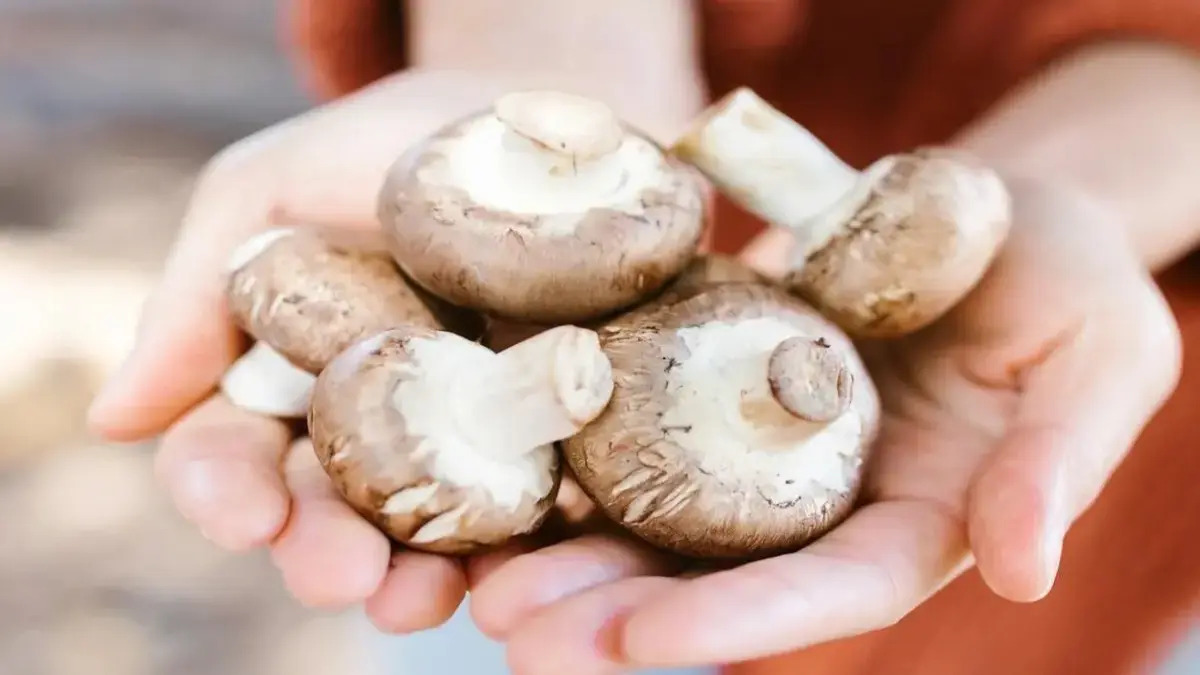
Although mushrooms are often grouped with vegetables, they actually belong to the fungi kingdom. Nutritionally, however, they behave like a powerful hybrid of vegetables and medicinal plants.
Not only are they low in calories, but they are also naturally low in sodium and rich in potassium. In addition, they contain fiber, antioxidants, and unique bioactive compounds.
Together, these qualities make mushrooms particularly suitable for heart health.
Potassium, A Key Mineral for Blood Pressure Balance
One of the most common dietary mistakes today is consuming too much sodium and too little potassium. Unfortunately, this imbalance causes the body to retain water, which raises blood pressure.
Fortunately, mushrooms contain a decent amount of potassium, especially varieties like white button, portobello, and shiitake.
Potassium helps,
• Relax blood vessel walls
• Counteract sodium’s effects
• Reduce fluid retention
• Support normal heart rhythm
As a result, potassium-rich diets are strongly associated with healthier blood pressure levels.
Natural ACE Inhibitor Effects (A Drug Like Mechanism)
Interestingly, many blood pressure medications belong to a group called ACE inhibitors. These drugs work by blocking an enzyme that causes blood vessels to tighten.
Surprisingly, some mushrooms contain natural peptides that show mild ACE inhibitory activity in laboratory studies. In simple terms, this means they may gently support the same pathway targeted by certain medications.
Mushrooms studied for this effect include,
• Shiitake
• Maitake
• Reishi
That said, it’s important to be clear: mushrooms are not a replacement for medication. Instead, they act as nutritional supporters, not pharmaceutical substitutes.
Antioxidants That Protect Blood Vessels
Another important factor in hypertension is oxidative stress. Over time, free radicals damage the lining of blood vessels, making them stiff and narrow. As a result, blood pressure rises.
Mushrooms contain antioxidants such as,
• Ergothioneine
• Selenium
• Polyphenols
These compounds help neutralize harmful molecules and protect the blood vessel lining. Consequently, blood vessels stay more flexible, allowing blood to flow more easily.
Fiber (The Overlooked Blood Pressure Ally)
While most people focus on sodium and potassium, fiber often gets ignored. However, fiber plays a major indirect role in blood pressure regulation.
Mushrooms contain both soluble and insoluble fiber, which helps,
• Improve insulin sensitivity
• Lower cholesterol
• Support healthy gut bacteria
• Promote weight control
Since obesity, insulin resistance, and high cholesterol are all linked to hypertension, fiber rich foods can significantly improve long term heart health.
Naturally Low in Sodium
Unlike many processed foods, mushrooms are naturally very low in sodium. This makes them ideal for people who need to limit salt intake.
When mushrooms replace salty snacks, processed meats, or fast food, daily sodium intake can drop dramatically, without sacrificing flavor.
Different Mushrooms, Different Benefits Not all mushrooms are the same. Each type offers slightly different health advantages.
• Shiitake Mushrooms
Shiitake mushrooms contain compounds that may help lower cholesterol and support immune and vascular health.
• Maitake Mushrooms
Maitake mushrooms may improve insulin sensitivity, which matters because insulin resistance is strongly linked to hypertension.
• Reishi Mushrooms
Traditionally used in herbal medicine, reishi mushrooms may help reduce stress and inflammation, both of which influence blood pressure.
• White Button and Portobello Mushrooms
Although simple and affordable, these mushrooms still provide potassium, fiber, and antioxidants.
Can Mushrooms Replace Blood Pressure Medication?
This is where many myths need correction.
Mushrooms cannot replace prescribed antihypertensive drugs. They cannot instantly lower dangerously high blood pressure. And they do not cure hypertension.
However, they can,
• Support healthier blood pressure levels
• Improve blood vessel function
• Complement medical treatment
• Reduce long term cardiovascular risk
In other words, mushrooms don’t fight hypertension aggressively, they support the body quietly and consistently.
Best Ways to Eat Mushrooms for Blood Pressure
How you cook mushrooms matters.
Healthier options include,
• Light sautéing
• Grilling
• Steaming
• Adding them to soups, salads, and stir-fries
On the other hand, deep frying mushrooms or covering them in salty sauces can cancel out their benefits.
Replacing part of your meat intake with mushrooms can also reduce saturated fat while increasing fiber and potassium.
Who Should Be Cautious?
Although mushrooms are safe for most people, some should be careful,
• Those with mushroom allergies
• People on immunosuppressive therapy
• Patients on blood pressure medication (dietary changes can enhance drug effects)
Therefore, anyone with chronic illness should consult their healthcare provider before making major dietary changes.
Final Verdict
Mushrooms are not a cure for hypertension, but they are powerful dietary allies. Their low sodium, high potassium, fiber, and antioxidant content help support healthy blood pressure when eaten regularly as part of a balanced diet. They don’t replace medication, but they do strengthen the body’s natural defenses against high blood pressure.
FAQs
Q1: Can mushrooms lower high blood pressure naturally?
Mushrooms may help support healthy blood pressure due to their potassium, fiber, antioxidants, and bioactive compounds. However, they do not act as a standalone treatment and should be part of an overall heart-healthy lifestyle.
Q2: Which mushrooms are best for people with hypertension?
Shiitake, maitake, reishi, white button, and portobello mushrooms are commonly studied and nutritionally supportive for cardiovascular health.
Q3: How often should mushrooms be eaten for heart health?
Including mushrooms 3–5 times a week as part of balanced meals can provide steady nutritional benefits.
Q4: Can mushrooms replace blood pressure medication?
No, Mushrooms cannot replace prescribed antihypertensive drugs. They work best as a dietary complement, not a substitute.
Q5: Are there any risks of eating mushrooms for BP patients?
Most people tolerate mushrooms well. However, individuals with allergies, autoimmune disorders, or those on multiple medications should consult a healthcare provider.
Disclaimer
This article is for educational purposes only and is not intended to diagnose, treat, cure, or prevent any disease. Always consult a qualified healthcare professional before making dietary or medical changes, especially if you have hypertension or are taking prescription medications.
Call to Action
Want more evidence based, easy-to-understand health content like this?
Follow us for science-backed nutrition insights, heart-health tips, and practical wellness guides that actually make sense.
References
• Journal of Nutrition, Potassium intake is linked with improved blood pressure regulation.
• Nutrients Journal, Dietary fiber supports cardiovascular and metabolic health.
• Journal of Agricultural and Food Chemistry, Mushrooms contain ACE-inhibitory peptides.
• Food Chemistry, Mushrooms are rich in antioxidants like ergothioneine.
• American Heart Association, Low sodium, potassium-rich diets support heart health.