


Written by Aisha Saleem, Pharmacist & Health Writer at PharmaHealths.com
What Are the Best High Fiber Foods for Diabetes?
The best high fiber foods for diabetes are legumes, whole grains, non-starchy vegetables, and certain fruits, because they slow carbohydrate digestion and reduce post meal glucose spikes. Lentils, chickpeas, kidney beans, oats, and whole wheat sit at the top of this list, and I recommend all of them regularly to patients trying to manage type 2 diabetes or prediabetes through diet.
I’ve spent years counselling patients over the pharmacy counter about how frustrating it can feel to watch blood sugar numbers creep up despite making seemingly healthy food choices. Fiber is one of the few dietary levers that consistently improves glycemic control, and it does it without a prescription.
How Does Fiber Actually Help Control Blood Sugar?
Fiber slows the rate at which sugar enters your bloodstream, which prevents sudden rises in blood glucose after meals. Unlike starches and sugars, dietary fiber isn’t broken down and absorbed by your body the same way, so it doesn’t contribute to a rapid rise in blood glucose after meals.
There are two types of fiber, and both matter. Soluble fiber dissolves in water to form a gel-like substance in your gut, which slows digestion and helps lower cholesterol alongside blood sugar. You’ll find it in oats, beans, lentils, and apples. Insoluble fiber doesn’t dissolve, adds bulk to stool, and supports regular digestion. It’s found in whole wheat, nuts, and vegetable skins. According to the CDC, most foods contain a mix of both types, and getting enough of either is linked to better blood sugar control and lower cardiovascular risk.
A systematic review and meta-analysis published in PLOS Medicine by Reynolds and colleagues found that higher fiber intake improved glycaemic control, blood lipids, and body weight in adults with prediabetes and diabetes, regardless of fiber type. The researchers suggested that increasing daily fiber intake to around 35 grams could significantly reduce the risk of long-term complications.
Which High Fiber Foods Should Diabetics Prioritize?
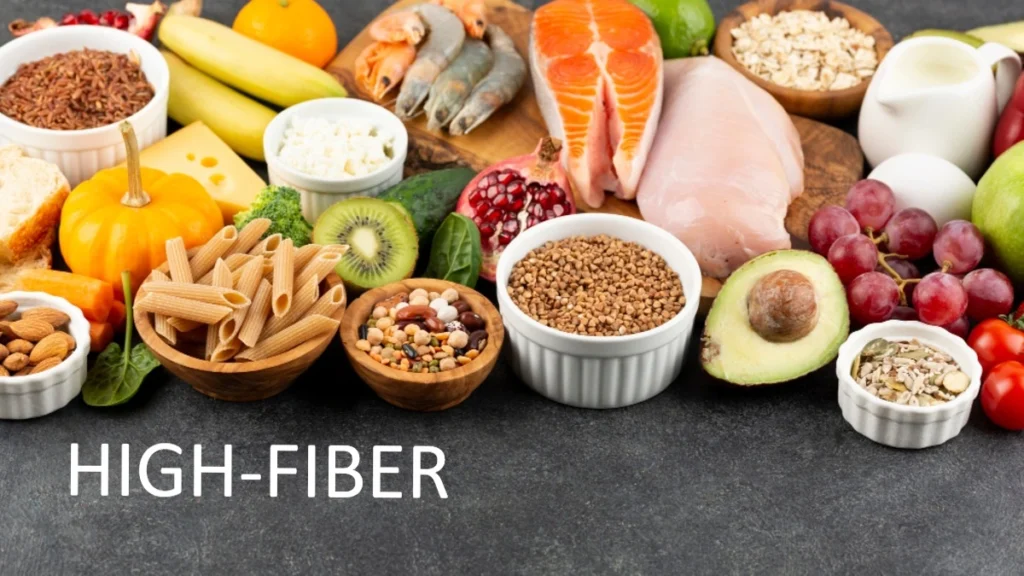
The foods I recommend most often to patients are legumes, whole grains, and non-starchy vegetables, because they deliver the highest fiber content per serving with the lowest impact on blood glucose.
Legumes. Lentils, chickpeas, kidney beans, and black beans are some of the most fiber-dense foods available, often providing 7 to 9 grams of fiber per cooked cup alongside plant protein. In South Asian cooking, dals and rajma are dietary staples that fit naturally into this category, which makes them an easy recommendation for patients who already cook with them regularly.
Whole grains. Oats, brown rice, quinoa, and whole wheat atta all outperform their refined counterparts. Diabetes UK notes that wholegrain and cereal fiber intake specifically has been linked to a reduced risk of cardiometabolic disease, including insulin resistance.
Vegetables. Broccoli, spinach, carrots, and Brussels sprouts add fiber with minimal carbohydrate load, so they’re useful for adding volume to meals without significantly raising blood sugar levels.
Fruits. Apples, pears, berries, and citrus fruits provide soluble fiber along with vitamins, though portion size still matters because fruit contains natural sugars.
Nuts and seeds. Almonds, chia seeds, and flaxseeds are fiber rich and can be easily added to everyday meals for a quick fiber boost.
How Much Fiber Should a Diabetic Eat Per Day?
Most adults with diabetes should aim for 25 to 35 grams of fiber per day, though individual targets can vary by age and sex. The NHS recommends 30 grams a day for the general adult population, and this target applies equally to people managing diabetes, since most people fall well short of it.
I usually advise patients to increase fiber gradually rather than all at once. A sudden jump in fiber intake can cause bloating, gas, or cramping, so spreading intake across meals and drinking enough water helps your gut adjust comfortably.
Can Too Much Fiber Be a Problem for Diabetics?
Yes, very high fiber intake in a short period can cause digestive discomfort and, in some cases, interfere with the absorption of certain medications or minerals. This is rarely dangerous, but it’s worth pacing yourself. If you take oral diabetes medications, I’d recommend spacing them from large fiber supplement doses and discussing any big dietary changes with your prescriber, since improved blood sugar control from fiber can sometimes mean your medication doses need reviewing.
Are Fiber Supplements as Good as Fiber from Food?
Whole food sources of fiber generally offer more benefit than isolated fiber supplements, because foods like legumes and whole grains bring along protein, micronutrients, and antioxidants that supplements don’t replicate. That said, supplements such as psyllium husk can be a reasonable addition if you’re struggling to reach your target through diet alone. I still encourage getting the bulk of your fiber from real food first.
Bringing It Together
Building a diabetes friendly plate around lentils, chickpeas, kidney beans, oats, and whole wheat is one of the most practical, low-cost changes I recommend as a pharmacist. None of this replaces medication or monitoring, but fiber is genuinely one of the more powerful dietary tools available for blood sugar management.
FAQs
Q1: What are the best high-fiber foods for diabetics?
Legumes like lentils and chickpeas, whole grains like oats and brown rice, and non-starchy vegetables are the best choices, since they combine high fiber content with a low glycemic impact.
Q2: How much fiber should a diabetic eat per day?
Most adults with diabetes should aim for 25 to 35 grams daily, increasing gradually to avoid digestive discomfort.
Q3: Can fiber help lower HbA1c?
Yes, research shows that higher fiber intake is associated with improved glycaemic control over time, which can contribute to lower HbA1c readings, though it works best alongside medication and monitoring, not as a replacement.
Q4: What’s the difference between soluble and insoluble fiber for blood sugar control?
Soluble fiber forms a gel that slows sugar absorption and helps lower cholesterol, while insoluble fiber adds bulk to stool and supports digestion. Both types work together to support overall metabolic and digestive health.
Q5: Is it safe to take fiber supplements with diabetes medication?
Generally yes, but I’d recommend spacing supplements from your medication doses and speaking with your pharmacist or doctor, since improved blood sugar control from fiber may eventually affect your medication needs.
Q6: Can too much fiber cause blood sugar problems?
Excess fiber is more likely to cause bloating or cramping than blood sugar issues, but very large increases taken too quickly should be avoided.
Call to Action
If you’re looking to build out your diabetes-friendly diet further, I’ve written in-depth guides on chickpeas, lentils, and whole wheat for blood sugar control, along with our broader Metabolic Health hub, so do explore those next for more specific, food by food guidance.
Disclaimer
This article is for informational purposes only and does not replace personalized medical advice. Please consult your doctor, pharmacist, or registered dietitian before making significant changes to your diet, especially if you take medication for diabetes.
References
• CDC — Fiber: The Carb That Helps You Manage Diabetes
• NHS — How to Get More Fiber into Your Diet
• Diabetes UK — Fibre and Diabetes
• PLOS Medicine — Reynolds AN, Akerman AP, Mann J. Dietary Fibre and Whole Grains in Diabetes Management: Systematic Review and Meta-Analyses