Ozempic vs Mounjaro: Weight Loss and Blood Sugar Comparison
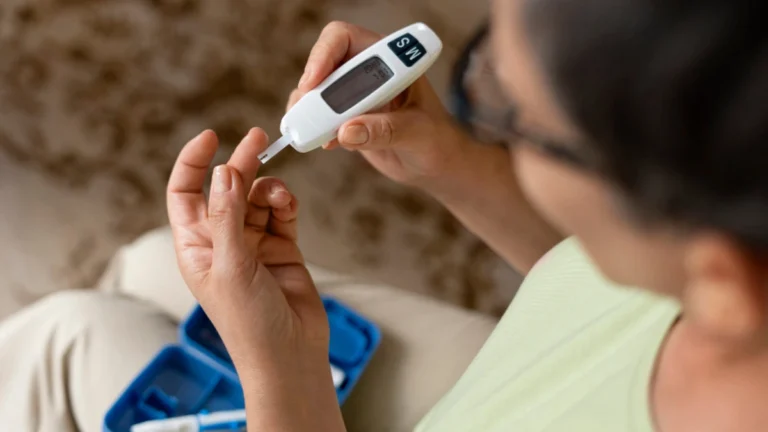
A pharmacist compares Ozempic and Mounjaro for weight loss and blood sugar control, covering trial results, side effects, and how to switch between them safely.

Wellness Info
Wellness Info
A pharmacist compares Ozempic and Mounjaro for weight loss and blood sugar control, covering trial results, side effects, and how to switch between them safely.
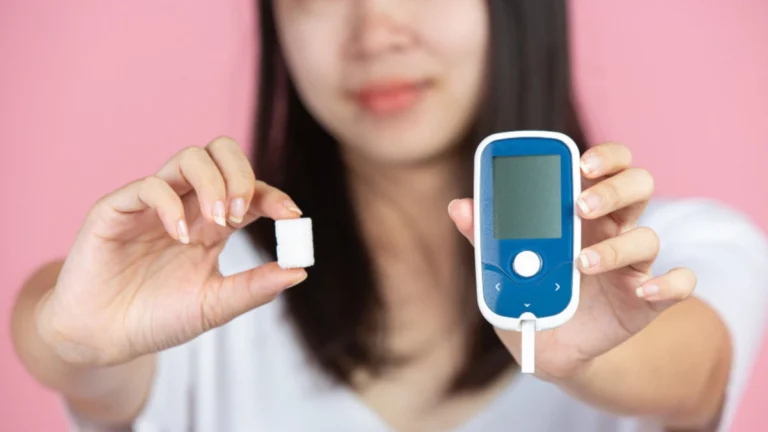
Langlara is a newly approved interchangeable insulin glargine biosimilar that offers a lower-cost alternative to Lantus. Discover its benefits, safety profile, dosing details, and what switching could mean for people with type 1 and type 2 diabetes in the United States.

Farxiga and Jardiance are now approved for children aged 10 and older with type 2 diabetes. Discover how these SGLT2 inhibitors work, what clinical trials found, potential side effects, and what parents should discuss with their child's healthcare team before starting treatment.
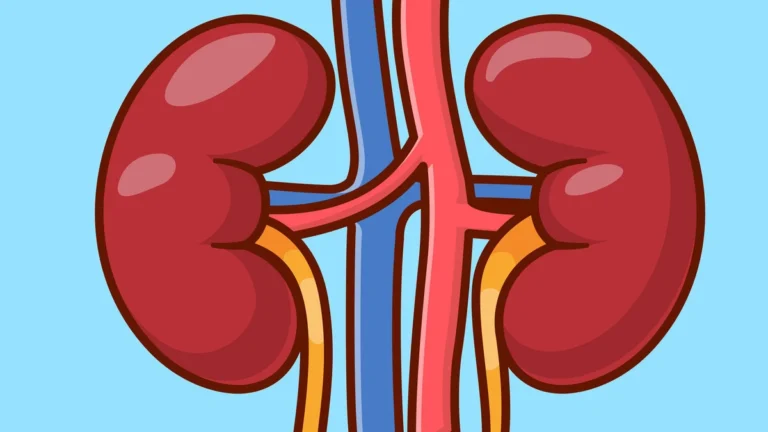
The FDA has expanded Ozempic's approval to help reduce kidney disease progression in adults with type 2 diabetes and chronic kidney disease. Discover what the landmark FLOW trial revealed about kidney protection, cardiovascular benefits, and long-term outcomes.
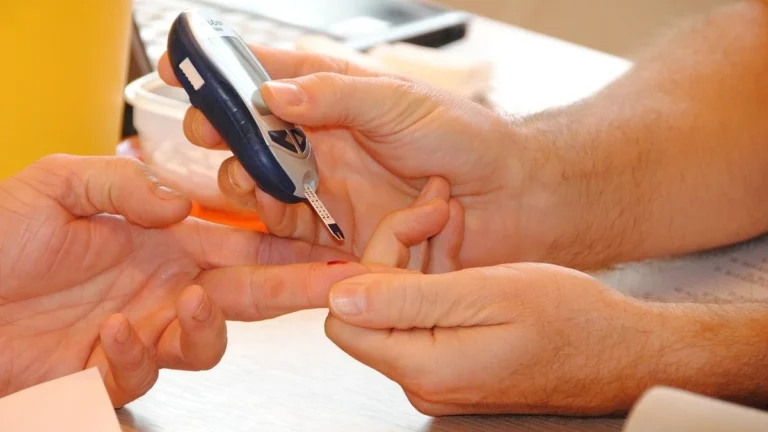
If you or someone you love is managing type 2 diabetes, 2026 is turning out to be a genuinely exciting year in medicine. We are seeing real, meaningful breakthroughs, not just incremental tweaks to existing medications, but entirely new concepts…

Chai is a daily favorite drink, but it may influence blood sugar levels more than expected. Caffeine can trigger hormonal responses that raise glucose, while milk and added sugar further increase the glycemic load. This article explains the science behind chai, insulin response, and offers practical tips for people with diabetes or prediabetes to enjoy tea more safely.

People with diabetes are significantly more likely to develop recurrent urinary tract infections. High blood sugar, impaired immunity, bladder dysfunction, and changes in the microbiome all contribute to the problem. Learn the science behind the diabetes-UTI connection and discover evidence-based strategies to reduce your risk and break the cycle of recurring infections.

Borderline HbA1c results may not always mean prediabetes. Iron deficiency anaemia can falsely elevate HbA1c and mislead diabetes diagnosis. Understanding ferritin, MCV, and RDW helps reveal the true picture.