


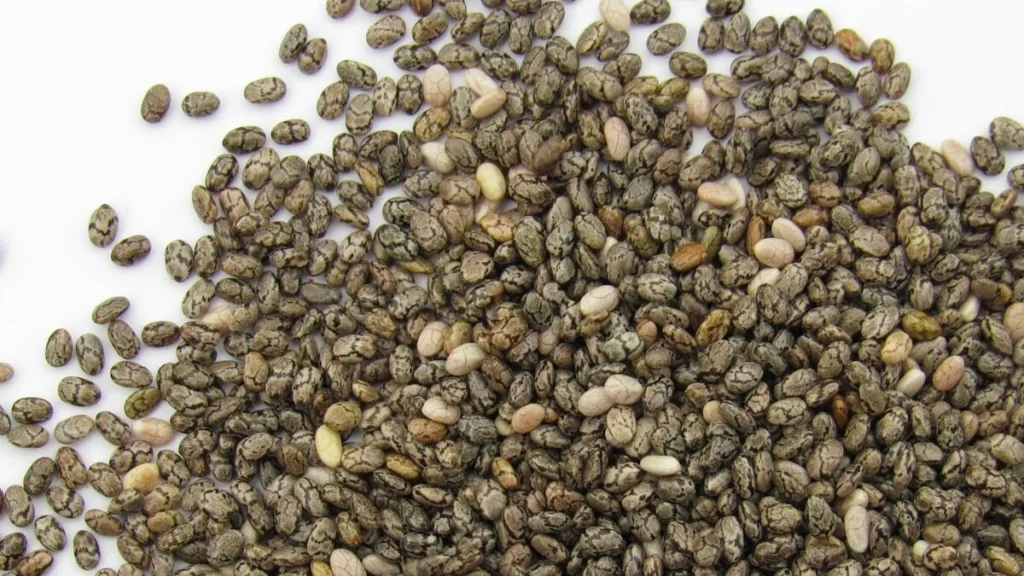
Chia seeds have earned a glowing reputation in modern nutrition. They are praised for fiber, omega-3 fats, and mineral content, and are often recommended for digestion, heart health, and metabolic balance. Yet, a quieter concern keeps resurfacing: Is daily chia seed intake truly safe long term, or does it behave like psyllium husk, binding nutrients and slowly depleting the body?
As with many nutrition debates, the answer lives in nuance, dose, and physiology rather than hype. From a pharmacist’s standpoint, chia seeds behave very differently from isolated medicinal fibers, and current human evidence supports their safe daily use at typical food amounts.
Chia Seeds: Food Fiber, Not Drug Fiber
Chia seeds (Salvia hispanica) are a whole food. Roughly 30–35% of their weight is dietary fiber, split between soluble and insoluble forms. When soaked, chia forms a gel due to soluble fiber, which slows digestion and glucose absorption. This gel forming property also makes chia seeds a gentle, natural way to improve gut health.
This often leads people to compare chia with psyllium husk (ispaghul). The comparison sounds logical, but physiologically it is flawed. Psyllium husk is a purified, pharmacological fiber. It is used therapeutically at gram level doses specifically to alter stool bulk, cholesterol absorption, or glycemic response. Chia, on the other hand, delivers fiber alongside fats, protein, and minerals. This mixed matrix reduces aggressive binding and slows fermentation in the gut.
In simple terms: psyllium behaves like a tool; chia behaves like food. Therefore, comparing their nutrient binding effects directly would be misleading.
Human Studies on Daily Chia Intake
Several clinical trials and systematic reviews have examined chia supplementation in adults, commonly using 25–37 grams per day (about 1–2 tablespoons) for weeks to months.
Across these studies, daily chia intake has been associated with,
• Modest reductions in systolic and diastolic blood pressure
• Decreases in waist circumference in some populations
• Neutral to mildly favorable effects on lipid profiles
Importantly, no consistent adverse effects on micronutrient status were reported. If chia meaningfully “pulled nutrients out of the body,” declines in iron, calcium, or zinc markers would have been observed, but they were not. These findings suggest that chia seeds, when consumed in typical food amounts, are safe for long term daily use.
The Phytic Acid Question
Chia seeds contain phytic acid, a naturally occurring compound found in grains, legumes, nuts, and seeds. Phytic acid can bind minerals such as iron, zinc, and calcium in the gut, reducing their absorption.
However, context is critical. At 1–2 tablespoons per day, the phytate load from chia is modest. In a balanced diet including fruits, vegetables, and vitamin C rich foods, the inhibitory effect on mineral absorption is minimal. Globally, populations consuming far higher phytate intakes daily, from staple grains and legumes, do not automatically develop deficiencies. Therefore, deficiencies depend on overall diet quality, not a single ingredient.
Why Chia Seeds Contain Strontium
Another question occasionally raised is the presence of strontium in chia seeds. Strontium is a naturally occurring element found in soil, water, and rocks. Chemically, it is similar to calcium, which allows plants to absorb it unintentionally through calcium transport pathways in their roots.
This is not contamination, it is geochemistry. The strontium in chia seeds is stable, non-radioactive strontium, unlike radioactive strontium-90. Trace amounts of stable strontium are found in many plant foods, including grains and vegetables. At typical dietary intakes, such as 1–2 tablespoons per day, strontium exposure remains well below levels associated with adverse skeletal or metabolic effects.
Does Chia Deplete Nutrients Like Psyllium?
This is the core concern, and the evidence does not support it. Psyllium husk, when taken in large doses or alongside medications, can interfere with absorption because it is concentrated and pharmacologically active. Even then, nutrient depletion is rare when psyllium is used correctly.
Chia seeds, consumed as part of meals, do not exhibit this behavior. Their fiber is slower acting, partially fermentable, and embedded in a nutrient matrix that supports absorption rather than stripping it. No human studies demonstrate mineral depletion from long term, moderate chia intake.
What Can Go Wrong? Practical, Not Toxic Issues
Most issues reported with chia seeds are mechanical or gastrointestinal, not biochemical. For example,
• Sudden high intake can cause bloating, gas, or abdominal discomfort
• Inadequate fluid intake may worsen constipation
• Dry seeds can swell rapidly and pose a choking risk if eaten improperly
Fortunately, these effects are preventable. Soaking chia seeds, mixing them into foods, and gradually increasing intake usually solves most problems.
Who Should Be Cautious
While chia seeds are safe for most adults, caution is reasonable in certain situations,
• Individuals with swallowing disorders
• Severe gastrointestinal motility disorders
• Extremely low mineral or highly restrictive diets
In these cases, professional guidance matters, not because chia is dangerous, but because context always matters in nutrition.
The Pharmacist’s Bottom Line
Based on current evidence, physiology, and clinical trial data,
Using 1–2 tablespoons of chia seeds daily, long term, is safe for most healthy adults.
At this dose,
• Nutrient depletion is unlikely
• Strontium exposure remains negligible
• Fiber benefits outweigh gastrointestinal drawbacks
• The body adapts well over time
Chia seeds behave like food when treated like food. Problems arise when they are treated like a supplement or consumed excessively without hydration or dietary balance.
Nutrition science rarely punishes moderation, it punishes extremes.
Final Thoughts
Chia seeds are neither a miracle nor a menace. They are a mineral dense, fiber rich plant food that fits comfortably into a balanced diet when used sensibly.
The real danger lies not in chia seeds, but in oversimplified claims that ignore dose, context, and human physiology. As with most things in nutrition, the truth is quieter than the headlines, and far more reassuring.
FAQs
Q1: Is it safe to eat chia seeds every day?
Yes, Studies show that 1–2 tablespoons (25–37 g) daily are safe for most healthy adults, providing fiber, omega-3s, and minerals without significant nutrient loss.
Q2: Will chia seeds deplete my minerals like psyllium husk?
No, unlike concentrated medicinal fibers like psyllium, chia seeds are a whole food with fiber, protein, and minerals. At normal daily amounts, they do not meaningfully reduce mineral absorption.
Q3: How should I consume chia seeds to avoid digestive issues?
Soak chia seeds in water or milk before eating, or mix them into yogurt, smoothies, or oatmeal. Gradually increasing intake and drinking enough fluids helps prevent bloating, gas, or constipation.
Disclaimer
This article is for educational purposes only and is not a substitute for professional medical advice. Consult a healthcare professional if you have medical conditions or special dietary needs.
Call to Action
Start adding chia seeds gradually, soaked or mixed into meals, to enjoy their health benefits safely, and share this science backed guidance with friends and family.
References
• Nutrition Reviews, Systematic review on chia seed intake and cardiometabolic outcomes
• Journal of Food Composition and Analysis, Mineral and trace element content of chia seeds
• Foods (MDPI), Phytic acid and mineral bioavailability in seeds and grains
• American Journal of Clinical Nutrition. Dietary fiber, mineral absorption, and gut adaptation