


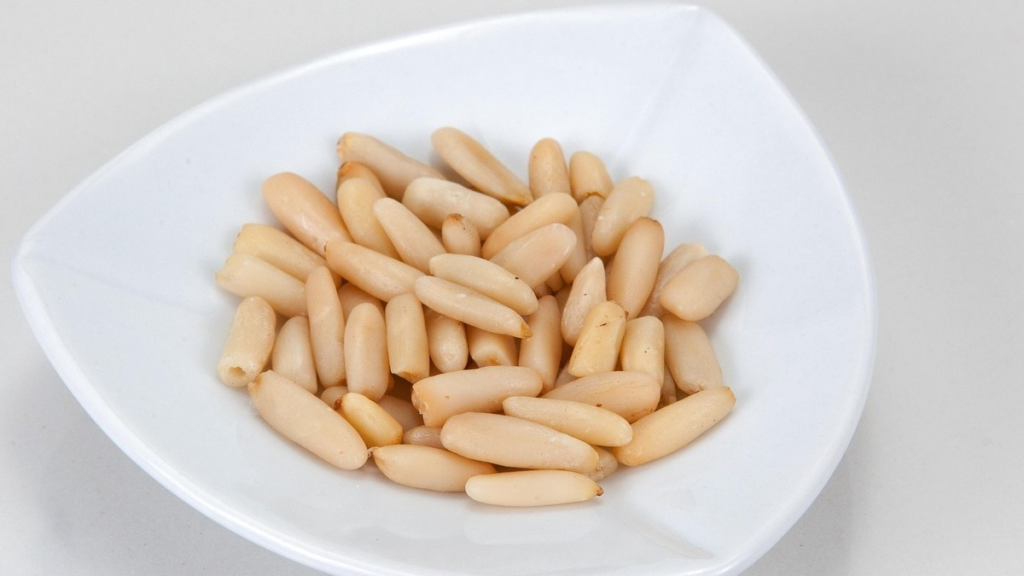
Pine nuts may be small, but nutritionally, they are surprisingly powerful. Hidden inside pine cones and used for centuries in traditional diets, these creamy, delicate seeds are more than just a culinary luxury. Today, modern nutrition science continues to uncover why pine nuts deserve attention, not only for their taste, but also for their wide-ranging health benefits.
As more people shift toward whole foods and functional nutrition, pine nuts are quietly re-emerging as a nutrient-dense option that supports heart health, metabolism, brain function, and more. Let’s explore how this tiny seed supports human health, step by step.
First, What Makes Pine Nuts Nutritionally Unique?
To understand their benefits, it helps to look at what pine nuts contain. Unlike many snacks that provide empty calories, pine nuts offer a concentrated mix of nutrients in every bite.
They are rich in healthy fats, especially monounsaturated fats like oleic acid. In addition, they provide plant-based protein, dietary fiber, vitamin E, and essential minerals such as magnesium and zinc.
Most notably, pine nuts contain pinolenic acid, a rare fatty acid not commonly found in other nuts.
Because of this unique composition, pine nuts act as both a source of energy and a provider of protective nutrients.
As a Result, Pine Nuts Support Heart Health Naturally
One of the most established benefits of pine nuts relates to cardiovascular health. Their monounsaturated fats help improve cholesterol balance by lowering LDL (bad cholesterol) while supporting HDL (good cholesterol). Over time, this balance plays a role in reducing the risk of heart disease.
Moreover, vitamin E in pine nuts works as an antioxidant, protecting blood vessels from oxidative stress. At the same time, magnesium supports normal blood pressure and healthy heart rhythm.
Together, these nutrients contribute to a heart-friendly dietary pattern, especially when pine nuts replace refined or fried snacks.
Additionally, Pine Nuts May Help Control Appetite and Weight
Another interesting benefit of pine nuts lies in their effect on appetite. Thanks to pinolenic acid, pine nuts may stimulate the release of satiety hormones such as CCK and GLP-1. These hormones send “fullness” signals to the brain, helping reduce overeating.
As a result, pine nuts can support portion control without forcing calorie restriction. Their rich flavor and texture also encourage slower, more mindful eating.
Although pine nuts are calorie-dense, consuming them in moderate portions may actually help with weight management rather than hinder it.
Meanwhile, Blood Sugar Stability Gets a Boost
Blood sugar control depends not only on carbohydrates, but also on how fats, fiber, and protein are combined in meals. Pine nuts offer all three.
Because they slow digestion, pine nuts help prevent sharp spikes in blood glucose after meals. This makes them a helpful addition for people with insulin resistance, prediabetes, or type 2 diabetes.
When added to whole grains, vegetables, or legumes, pine nuts help create a more balanced glycemic response, an important factor in long-term metabolic health.
In the Same Way, Pine Nuts Support Brain and Nervous System Health
Healthy fats are essential for the brain, and pine nuts deliver fats that support neuronal membranes and signaling. Vitamin E further protects brain cells from oxidative damage, which becomes increasingly important with age.
In addition, magnesium plays a role in nerve transmission and muscle relaxation. While pine nuts are not a treatment for neurological conditions, their nutrient profile supports overall cognitive and nervous system health as part of a balanced diet.
Not Surprisingly, Pine Nuts Also Fight Inflammation
Chronic low-grade inflammation underlies many modern diseases, including heart disease and arthritis. Pine nuts contain nutrients that help counter this process.
Magnesium helps regulate inflammatory pathways, while antioxidants like vitamin E neutralize free radicals. Fatty acids in pine nuts also support cellular balance, reducing unnecessary inflammatory signaling.
Over time, diets rich in anti-inflammatory foods, such as nuts, seeds, fruits, and vegetables, help protect long term health.
At the Same Time, Pine Nuts Contribute to Bone Strength
Bone health is often associated only with calcium, but strong bones depend on multiple nutrients working together. Pine nuts provide magnesium and zinc, both essential for bone formation and maintenance.
Magnesium supports bone mineral density, while zinc contributes to collagen production and bone repair. Therefore, including pine nuts in a varied diet complements calcium- and vitamin D rich foods.
A Special, Up to Date Benefit (Metabolic and Hormonal Support)
More recent research has drawn attention to the role of healthy fats in hormonal balance and metabolic health. Pine nuts, through their fatty acid profile, may support insulin sensitivity and lipid metabolism.
This makes them particularly relevant in modern diets, where metabolic disorders are increasingly common. While research is ongoing, pine nuts fit well into dietary patterns aimed at reducing metabolic risk.
How to Include Pine Nuts in Daily Meals
Pine nuts are versatile and easy to use. They can be sprinkled over salads, blended into pesto, added to yogurt, or mixed with roasted vegetables. Lightly toasting them enhances flavor without destroying nutrients.
Because they are energy-dense, portion size matters. A small handful, about one ounce, is usually enough to gain benefits without excess calories.
For freshness, pine nuts should be stored in airtight containers in the refrigerator or freezer, as their oils can spoil at room temperature.
Final Thoughts
In conclusion, pine nuts may be small, but their health benefits are substantial. From heart health and appetite control to blood sugar balance, brain support, and bone strength, pine nuts offer a wide spectrum of nutritional advantages.
Rather than thinking of them as an occasional luxury, pine nuts can be viewed as a functional food, best enjoyed in moderation as part of a whole food, nutrient rich diet.
When combined with vegetables, whole grains, and other plant foods, pine nuts quietly support long term health, one small seed at a time.
FAQs
Q1. Are pine nuts suitable for low-carb or keto diets?
Yes, Pine nuts are low in carbohydrates and high in healthy fats, making them compatible with low-carb eating plans.
Q2. Can pine nuts improve skin health?
Indirectly, yes, Vitamin E and healthy fats support skin barrier function and help protect against oxidative stress.
Q3. Are pine nuts safe for everyone?
Most people tolerate them well. However, individuals with tree nut allergies should exercise caution.
Disclaimer
This article is for educational purposes only and does not replace medical or dietary advice. Always consult a healthcare professional for personalized guidance.
Call to Action
Enjoy evidence-based nutrition content like this? Explore more science backed food articles on pharmahealths and stay informed, naturally.
References
• Journal of Nutrition, Role of monounsaturated fats in cardiovascular health
• Appetite, Pinolenic acid and satiety hormone regulation
• Diabetes Care, Dietary fats and post-meal glucose control
• Journal of Alzheimer’s Disease, Vitamin E and neuronal protection
• Bone Research, Magnesium and zinc in bone metabolism