


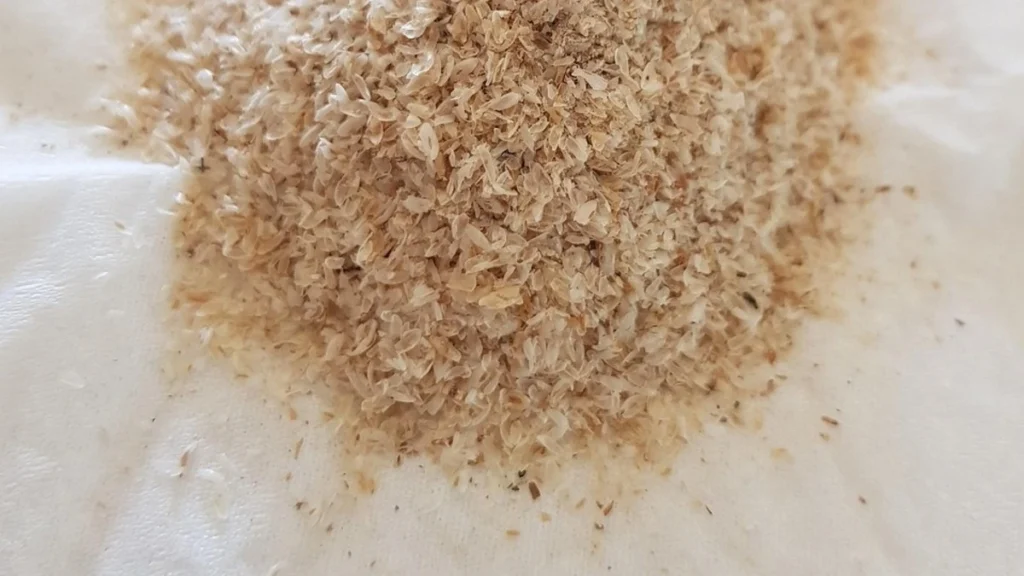
Most people know ispaghul as a laxative. They’ve been handed a sachet at the pharmacy, told to mix it with water, and left to figure out the rest. What they don’t know, and what makes ispaghul genuinely fascinating from a clinical standpoint, is that this is one of the most versatile therapeutic fibres in existence, and its effect depends almost entirely on how you use it: the timing, the liquid, the soaking time, and the condition you’re trying to address.
In simple terms: how you take ispaghul determines what it does in your body.
Get those variables right, and you have a tool that can move sluggish bowels, firm up loose stools, suppress appetite, reduce post-meal blood sugar spikes, lower LDL cholesterol, and even help soothe a troubled stomach lining. Get them wrong, and you have something bloat-inducing, ineffective, or in rare cases, dangerous. That’s not hyperbole, there are documented cases of oesophageal obstruction from dry psyllium ingestion. This is a fibre worth understanding properly.
What Ispaghul Actually Is
Ispaghul comes from the seed husks of Plantago ovata, a plant native to the Indian subcontinent and cultivated widely across South Asia and the Mediterranean. The husks are around 85% soluble fibre, predominantly arabinoxylan, which makes psyllium one of the most concentrated sources of soluble dietary fibre available as a supplement.
When ispaghul contacts water, it absorbs it rapidly, swelling to many times its original volume and forming a viscous, mucilaginous gel. That gel is the mechanism behind every single benefit the fibre offers. The question is how and when that gel forms, inside your gut, or outside it, because that distinction changes everything.
The Constipation Use Case (Drink It Fast, Drink It Warm)
For constipation, the traditional and evidence backed approach is to take ispaghul at night, mixed in a full glass of warm water, and drink it immediately rather than letting it soak. The reason for this is mechanical. When you swallow psyllium before it has fully hydrated, it continues to absorb water as it moves through the intestine. This increases stool bulk, sometimes significantly, and creates the physical pressure on the intestinal wall that stimulates peristalsis, the coordinated muscle contractions that move stool forward.
A meta-analysis published in the American Journal of Clinical Nutrition found that psyllium supplementation significantly increased stool frequency and softness compared to placebo in patients with chronic constipation, with effects becoming consistent with daily use over two to three weeks. The nighttime timing matters because the resulting bowel movement typically occurs the following morning, which fits most people’s routines and reduces the unpredictability that makes constipation management stressful.
Warm water adds a secondary benefit here. Warm fluids are themselves a mild gut stimulant, they promote gastrocolic reflex activity, the mechanism that explains why a hot coffee often prompts an urgent trip to the toilet. Combining that with psyllium-induced bulk creates a compound effect.
For constipation: 1 teaspoon in warm water, drink immediately at night, followed by extra water.
The Diarrhea Use Case (Let It Soak First)
This surprises a lot of people. The same fibre that treats constipation also treats diarrhea, but only if you change the protocol. For diarrhea, you want the gel to form before it reaches your gut, not inside it. That means soaking ispaghul for five to ten minutes until a visible, semi thick gel has formed, then drinking it after meals rather than before.
The mechanism shifts from bulk forming to fluid-absorbing. A pre-formed gel acts like a sponge, it binds excess water in loose stool, adds structure, and slows intestinal transit without stimulating it further. Research published in Alimentary Pharmacology and Therapeutics demonstrated that psyllium supplementation reduced stool frequency and improved stool consistency in patients with diarrhoea-predominant IBS, an effect attributed precisely to this fluid binding capacity.
For liquid choice in diarrhea, water is strongly preferable to milk. Even in people without a formal lactose intolerance diagnosis, dairy can worsen loose stools by altering gut motility, and the last thing a patient with ongoing diarrhea needs is an additional osmotic load. Cool or room temperature water allows controlled gel formation without thermally stimulating gut movement.
For diarrhea: soak 5–10 minutes in room-temperature water and take after meals.
Acidity and Reflux (Soothing, Not Neutralising)
This is an area where ispaghul’s role is often misunderstood, and also underappreciated. It is not an antacid. It does not neutralise stomach acid the way calcium carbonate does, and it does not suppress acid production the way omeprazole or famotidine do. What it does instead is work with the architecture of the digestive tract to reduce some of the conditions that allow acid to cause problems in the first place.
The gel that ispaghul forms when mixed with water has a coating, mucilage-like quality. There is evidence that this can form a mild protective layer over the gastric and oesophageal mucosa, reducing the direct irritation that acid contact causes. Think of it less as a treatment and more as a buffer, one that sits between a sensitized lining and the acid that aggravates it.
Beyond the coating effect, ispaghul’s impact on digestive rhythm matters here too. Irregular bowel habit, constipation, and slow gut transit are all associated with increased intra-abdominal pressure, which is one of the mechanical drivers of gastro oesophageal reflux. By improving regularity and reducing that pressure buildup, psyllium can indirectly reduce the frequency of reflux episodes in people whose acidity is linked to sluggish digestion.
There is also the gastric emptying angle. Psyllium slows the rate at which the stomach empties its contents into the small intestine. While this is the same mechanism that helps with blood sugar control, it also reduces rapid pressure changes in the stomach that can push acid upward, particularly after large meals.
It may ease symptoms, but it does not correct underlying lower oesophageal sphincter dysfunction.
For acidity, the best approach is to take one teaspoon in cool or room temperature water after meals, particularly after dinner, or just before bed if nocturnal symptoms are the main concern. Cool water is preferred here over warm, as warm liquids may stimulate gastric activity in some individuals. Taking psyllium on a completely empty stomach when active burning is already present is best avoided, the swelling sensation in an already irritated gut can feel uncomfortable and may temporarily worsen symptoms.
It is important to be honest about the limits of this intervention. For mild, occasional acidity linked to dietary triggers or irregular digestion, ispaghula can provide meaningful supportive relief. For frequent acidity, regurgitation, chest burning, or symptoms that suggest gastro esophageal reflux disease, it is a complement to proper medical management rather than a replacement. Chronic, unmanaged GERD carries real risks, Barrett’s oesophagus being the most serious long-term concern, and warrants formal evaluation rather than fibre supplementation alone.
For acidity: 1 teaspoon in cool water after meals or before bed.
Weight Management (The Pre Meal Window)
For appetite suppression and weight management support, the timing shift is to twenty to thirty minutes before meals, and the gel should be partially pre formed, around five minutes of soaking in water before drinking. This is one of the better supported uses of psyllium from a clinical evidence standpoint.
A systematic review in Obesity Reviews found that soluble fibre supplementation, including psyllium, significantly reduced self-reported hunger and caloric intake at subsequent meals. The mechanism is straightforward, a pre-formed, partially expanded gel in the stomach increases gastric distension, which signals satiety through vagal nerve pathways. It also slows gastric emptying, meaning the meal that follows releases glucose more gradually and the feeling of fullness lasts longer.
Cold water works well here because it keeps the gel light and drinkable without the heaviness that milk introduces. Milk, particularly full-fat or semi skimmed, adds caloric load that undermines the weight management goal.
For weight control: soak 5 minutes and take 20–30 minutes before meals.
Blood Sugar Control (Take It with Meals)
In the context of type 2 diabetes or post meal glucose management, the timing for ispaghul shifts to just before or during meals, with a lightly pre formed gel in plain water. The evidence base here is substantial. A meta-analysis in Diabetes Care found that psyllium supplementation significantly reduced fasting blood glucose and HbA1c levels in people with type 2 diabetes when taken consistently. The mechanism is viscosity dependent: the gel slows the diffusion of glucose across the intestinal mucosa, blunting the glycaemic peak that follows a carbohydrate containing meal.
This is why liquid choice matters so much in this use case. Milk introduces its own glycaemic load and may partially offset the benefit. Plain water keeps the intervention clean.
For blood sugar: take just before or with meals in water.
Cholesterol Reduction (Consistency Over Timing)
The cholesterol lowering mechanism of psyllium is somewhat different from its other effects. It works by binding bile acids in the intestinal lumen. When these are excreted, the liver pulls more cholesterol from circulation to replace them, lowering LDL levels.
The FDA has authorised a health claim that diets high in soluble fibre from psyllium may reduce the risk of coronary heart disease. Randomised trials support a reduction in LDL of approximately five to ten per cent with consistent daily use.
For cholesterol: consistency matters more than timing, take 1–2 times daily.
What People Get Wrong (And Why It Matters)
The most common mistake is taking ispaghul dry or with too little water. This can lead to oesophageal obstruction. The husk must always be mixed in a full glass of liquid and followed by additional water.
The second mistake is taking it alongside medications. Psyllium can bind drugs and reduce absorption. A gap of at least one to two hours is essential.
The third mistake is starting too fast. Rapid dose escalation leads to gas and bloating.
Start low (½ teaspoon) and increase gradually over 1–2 weeks.
Who Should Avoid or Use with Caution
• Swallowing difficulties
• Bowel obstruction or strictures
• Severe unexplained abdominal pain
In these cases, psyllium should only be used under medical guidance.
The Bottom Line
Ispaghul is not a single use laxative. It is a functional fibre with real clinical versatility, but only when used correctly.
Timing, soaking, and liquid choice are what turn it from a simple fibre into a targeted therapeutic tool.
The science is strong, the safety profile is excellent when used properly, and the benefits extend far beyond what most people realize.
What it requires is not complexity, just the right information at the right time.
FAQs
Q1. What is ispaghul and where does it come from?
Ispaghul, also known as psyllium husk, comes from the seed husks of Plantago ovata, a plant native to the Indian subcontinent. The husks are approximately 85% soluble fibre, making ispaghul one of the most concentrated natural sources of soluble dietary fibre available as a supplement.
Q2. Does ispaghul work differently depending on how you take it?
Yes, significantly so. The timing, soaking time, and liquid you use all change how and where the gel forms in your body. Drinking it immediately creates a bulk forming effect useful for constipation; pre-soaking it shifts the action towards fluid absorption, which is more useful for diarrhea, appetite control, and blood sugar management.
Q3. Can ispaghul help with both constipation and diarrhea?
It can, and this dual action is one of the things that makes it clinically unique among fibres. For constipation, you want it to swell inside the intestine to bulk up stool. For diarrhea, you want the gel partially formed before drinking, so it absorbs excess fluid and firm’s loose stool. The condition determines the protocol.
Q4. When is the best time to take ispaghul for constipation?
At night, mixed in a full glass of warm water and drunk immediately, followed by at least another half glass of water. The swelling occurs overnight, and the resulting bowel movement typically follows the next morning.
Q5. How should I take ispaghul if I have diarrhea?
Soak it for five to ten minutes in room-temperature water until a visible gel forms, then drink it after meals rather than before. This allows the pre formed gel to act as a sponge, binding excess water in loose stool and reducing urgency and frequency.
Q6. Can ispaghul help with acidity or acid reflux?
Yes, but not in the way an antacid works. It does not neutralise stomach acid. Instead, the gel it forms creates a mild protective coating over the stomach and oesophageal lining, reducing irritation. It also improves digestive regularity, which reduces intra-abdominal pressure, one of the mechanical contributors to reflux. For acidity, take one teaspoon in cool water after meals or before bed. For frequent or severe reflux symptoms, proper medical assessment and treatment remain essential.
Q7. Is ispaghul the same as an antacid or PPI?
No, Antacids neutralise acid directly; PPIs like omeprazole suppress acid production at the source. Ispaghul does neither. It works upstream of the acid itself, by coating the lining, improving gut transit, and reducing conditions that allow acid to become symptomatic. Think of it as supportive rather than curative for acidity.
Q8. Can ispaghul help with weight loss?
It can support appetite control as part of a structured approach to weight management. Taken twenty to thirty minutes before meals in plain water, the partially expanded gel increases feelings of fullness, delays gastric emptying, and reduces how much you eat at the following meal. It is an adjunct to dietary change, not a standalone weight loss intervention.
Q9. Is ispaghul useful for people with type 2 diabetes?
Yes, as an adjunct. Taken just before or with meals, the gel slows glucose diffusion across the intestinal lining, blunting the post-meal blood sugar rise. Clinical trials have shown reductions in both fasting glucose and HbA1c with consistent daily use. It does not replace medication or dietary management but complements both.
Q10. Can ispaghul lower cholesterol?
There is good evidence that it can reduce LDL cholesterol by around five to ten per cent with consistent daily use. It works by binding bile acids in the intestine, which prompts the liver to draw more cholesterol from the bloodstream to produce replacements. The FDA has authorised a health claim linking psyllium soluble fibre to reduced coronary heart disease risk.
Q11. Does the liquid I use make a difference?
Yes, Warm water is the best choice for constipation. Cool or room-temperature water suits acidity, diarrhea, and metabolic uses. Milk is generally not recommended for diarrhea, acidity, weight management, or diabetes, it adds unnecessary calories, lactose, and can worsen loose stools or blunt the metabolic benefit. For cholesterol management, milk is acceptable if it improves adherence.
Q12. How long should I soak ispaghul before drinking it?
It depends on your goal. For constipation, drink it immediately after mixing, no soaking needed. For diarrhea, blood sugar control, and appetite suppression, soak for five to ten minutes until a light to semi thick gel forms. For acidity and cholesterol management, five minutes of light soaking is comfortable but not critical.
Q13. Can I take ispaghul with my other medications?
Not at the same time. Ispaghul gel can bind to drugs in the intestine and reduce their absorption. This has been documented with digoxin, metformin, lithium, and certain antiepileptics, among others. Always leave a gap of at least one to two hours between ispaghul and any oral medication.
Q14. Is it safe to take ispaghul during pregnancy?
Ispaghul is generally considered one of the safer options for constipation in pregnancy and is preferable to stimulant laxatives. Always discuss any supplementation with your midwife or doctor during pregnancy, particularly in the first trimester.
Q15. What are the risks of taking ispaghul incorrectly?
The most serious risk is oesophageal obstruction, which can occur if ispaghul is swallowed dry or with insufficient water. It must always be fully mixed in liquid and followed by additional fluid. Other common issues include bloating, gas, and cramping, usually from increasing the dose too quickly or not drinking enough water.
Q16. Can ispaghul benefit gut bacteria?
Emerging research suggests it may. Psyllium is partially fermented by gut bacteria and acts as a prebiotic, supporting the growth of butyrate producing species. Butyrate is a short-chain fatty acid that plays an important role in colon health and immune regulation, adding another layer to psyllium’s potential beyond its mechanical fibre effects.
Q17. How do I start taking ispaghul if I’ve never used it before?
Start low and build gradually. Begin with half a teaspoon once daily and increase over one to two weeks to the standard one to two teaspoon doses. This allows your gut microbiome to adapt and significantly reduces the risk of bloating and gas that many first-time users experience.
Call to Action
If you found this article useful, I write evidence-based health content from a pharmacist’s perspective at pharmahealths.com, covering everything from gut health and metabolic conditions to medications and nutrition. Bookmark the site, share this article with someone who’d benefit, or drop a question in the comments below. I read everything.
Disclaimer
This article is written for informational purposes only and does not constitute medical advice. While every effort has been made to ensure the accuracy of the information provided, it should not be used as a substitute for professional medical guidance, diagnosis, or treatment. Always consult a qualified healthcare professional before starting any new supplement, particularly if you have an existing medical condition, are pregnant, or are taking prescribed medication. If you experience frequent acidity, persistent reflux, or chest discomfort, please seek medical evaluation rather than relying on dietary supplementation alone. Individual responses to dietary fiber supplementation can vary.
References
• Jalanka J et al. The effect of psyllium husk on intestinal microbiota, transit time and stool characteristics in healthy adults — Gut Microbes, 2019
• Gibb RD et al. Psyllium fiber improves glycemic control proportional to loss of glycemic control, European Journal of Clinical Nutrition, 2015
• Anderson JW et al. Cholesterol-lowering effects of psyllium intake adjunctive to diet therapy in men and women with hypercholesterolaemia, American Journal of Clinical Nutrition, 2000
• Pal S & Radavelli-Bagatini S. Effects of psyllium on metabolic syndrome risk factors, Obesity Reviews, 2012
• Bijkerk CJ et al. Soluble or insoluble fibre in irritable bowel syndrome in primary care, BMJ, 2009
• FDA authorised health claim: soluble fibre from psyllium and risk of coronary heart disease, 21 CFR 101.81
• Huang L et al. Dietary fibre intake and constipation in adults, Alimentary Pharmacology and Therapeutics, 2021
• Dahl WJ & Stewart ML. Position of the Academy of Nutrition and Dietetics: health implications of dietary fiber, Journal of the Academy of Nutrition and Dietetics, 2015
• Moayyedi P et al. The effect of fiber supplementation on irritable bowel syndrome, American Journal of Gastroenterology, 2014
• Ronnie Fass & Marcelo Zerbib. Management of heartburn not responding to PPIs, Gut, 2013
• Mäkinen KK. Gastrointestinal disturbances associated with the consumption of sugar alcohols with special consideration of xylitol, relevance to mucosal protection, International Journal of Dentistry, 2016 (supporting mucosal coating mechanisms)
• Schiller LR. Evaluation of chronic diarrhea and irritable bowel syndrome with diarrhea, Gastroenterology & Hepatology, 2018