
Introduction
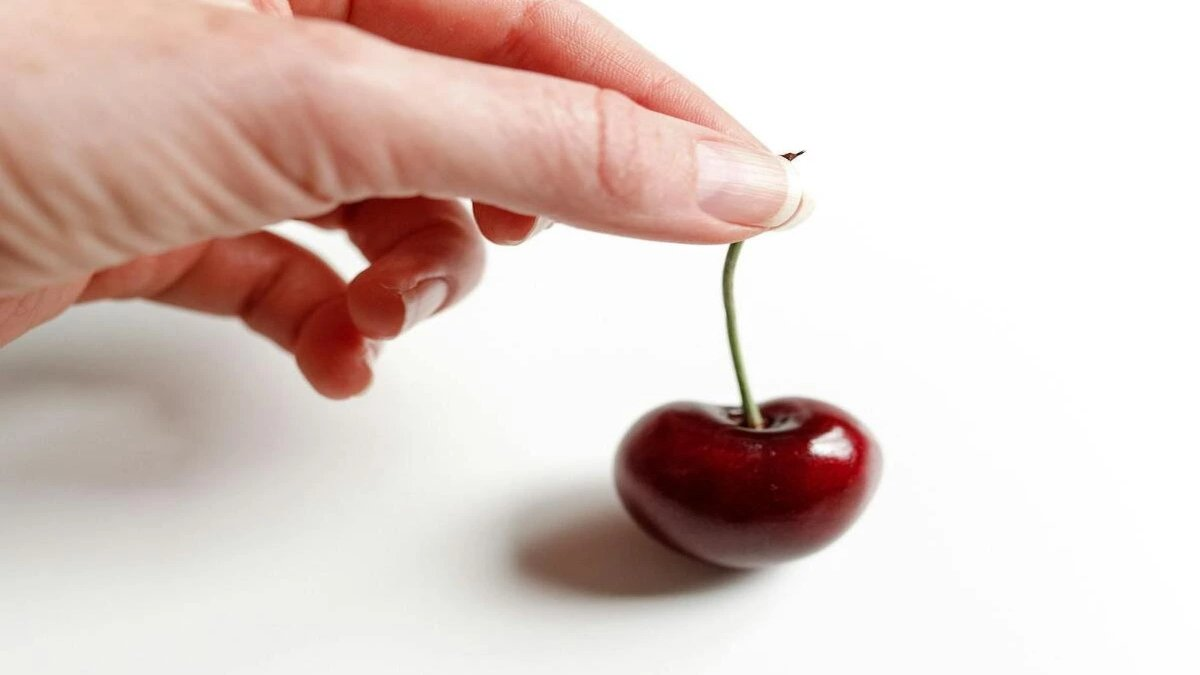
Cherries are more than a sweet, juicy treat, they are a nutritional powerhouse packed with vitamins, minerals, and antioxidants. Both sweet and tart cherries contain naturally occurring compounds that may support several aspects of health, including heart function, sleep, inflammation, and recovery after exercise. Increasingly, research highlights how these small fruits can play a role in a balanced, evidence informed diet.
In addition to their delicious flavor, cherries are convenient and versatile. Fresh, frozen, dried, or as juice, they can be easily incorporated into smoothies, salads, desserts, or eaten on their own. For those seeking natural ways to enhance health, cherries are a simple addition that provides multiple benefits supported by science.
Nutritional Profile and Antioxidant Content
Cherries are rich in vitamin C, a nutrient essential for collagen formation, iron absorption, immune defense, and protection against oxidative stress. One cup of fresh cherries can provide a significant portion of the recommended daily vitamin C intake, depending on the variety.
In addition, cherries contain polyphenols, particularly anthocyanins, which give them their vibrant red color. These compounds have potent antioxidant effects, neutralizing harmful free radicals that can damage cells.
Studies published in Molecules and Nutrients show that regular cherry consumption may help reduce oxidative stress, supporting overall cellular health.
Beyond antioxidants, cherries also supply fiber, potassium, and other micronutrients, making them a nutrient dense option for those looking to support heart, bone, and digestive health naturally.
Inflammation and Joint Health Support
Chronic, low-grade inflammation is linked to many health conditions, including heart disease, arthritis, and metabolic disorders. Cherries contain bioactive compounds that may help modulate inflammatory pathways.
Research in Nutrients and The Journal of Nutrition indicates that anthocyanins and other cherry polyphenols can reduce markers of inflammation, potentially helping the body maintain balance. For individuals experiencing joint discomfort, adding cherries to the diet may provide mild support alongside conventional treatments.
Uric Acid Balance and Gout
Gout occurs when uric acid builds up in the blood, causing painful joint flare ups.
Observational studies, including research published in Arthritis & Rheumatism, have found that cherry consumption is associated with a lower risk of recurrent gout attacks, sometimes reducing flares by up to 35%.
This effect may stem from cherries’ ability to modulate uric acid levels and their anti-inflammatory properties. While cherries are not a replacement for prescribed medications, they can complement dietary strategies to manage uric acid and reduce flare frequency.
Cardiovascular and Blood Pressure Support
Heart health benefits are one of the most studied effects of cherries. Anthocyanin rich cherries improve vascular function and reduce oxidative stress, according to Molecules and the American Journal of Clinical Nutrition.
Cherries also provide potassium, a mineral essential for fluid balance and healthy blood pressure regulation. Combined with a diet rich in vegetables, whole grains, and lean proteins, cherries may support overall cardiovascular health.
In addition, the fiber and antioxidants in cherries may help maintain healthy cholesterol levels, contributing to long term heart protection.
Sleep-Wake Cycle Support
Tart cherries naturally contain melatonin, a hormone that regulates the sleep-wake cycle.
Controlled studies published in the European Journal of Nutrition and Journal of Medicinal Food suggest that tart cherry juice can modestly improve sleep duration and efficiency, particularly in individuals with insomnia.
Consuming cherries or tart cherry juice in the evening may help support better sleep naturally. However, cherries are not a treatment for sleep disorders, and persistent sleep problems should be evaluated by a healthcare professional.
Role in Weight-Conscious Diets
Cherries are naturally low in calories and high in water content, making them an excellent option for weight-conscious individuals.
One cup of fresh cherries contains fewer than 100 calories but provides fiber and essential nutrients, promoting fullness and healthy digestion.
Adding cherries to meals or snacks can reduce the temptation for higher calorie, sugar laden treats, helping maintain a balanced calorie intake while still enjoying a naturally sweet option.
Skin Health and Cellular Protection
The vitamin C and antioxidants in cherries also contribute to skin health. By reducing oxidative damage caused by environmental stressors like UV radiation and pollution, cherries may support collagen production and help maintain skin elasticity. Regular intake of antioxidant rich foods like cherries is associated with healthier skin and may contribute to normal aging processes.
Physical Activity and Recovery
Tart cherries have been studied for their potential benefits in sports nutrition.
Reviews in Nutrients and Scandinavian Journal of Medicine & Science in Sports show that tart cherry products may reduce exercise induced muscle soreness and improve recovery markers in physically active individuals.
Incorporating cherries or tart cherry juice after workouts may help athletes or fitness enthusiasts recover faster, allowing for more consistent training and improved performance.
Practical Intake Guidance
Most research suggests that ½ to 1 cup of fresh cherries daily or standardized servings of tart cherry juice or concentrate can provide measurable benefits.
• Choose whole cherries without added sugar whenever possible.
• Fresh, frozen, or dried cherries are all suitable options, but watch for added sugars in dried varieties.
• Individuals taking medications or with chronic health conditions should consult a healthcare provider before increasing cherry intake.
By making cherries a regular part of a balanced diet, you can enjoy both their flavor and their scientifically supported health benefits.
Bottom Line
Cherries are more than just a tasty fruit, they provide vitamins, antioxidants, potassium, and bioactive compounds that may support sleep, inflammation balance, cardiovascular health, skin protection, and recovery after physical activity. While they are not a replacement for medical treatment, incorporating cherries into a healthy, varied diet is a simple and evidence informed way to support
FAQs
Q1. Do cherries really help with sleep?
Yes, Tart cherries contain melatonin and polyphenols that can improve sleep duration and quality, especially in people with insomnia (European Journal of Nutrition; Journal of Medicinal Food).
Q2. Can cherries reduce gout attacks?
Evidence suggests so. A study in Arthritis & Rheumatism found cherry consumption may reduce recurrent gout attacks by up to 35%, likely due to uric acid reduction and anti-inflammatory effects.
Q3. Are cherries good for heart health?
Yes, Anthocyanins in cherries support vascular function, reduce oxidative stress, and help maintain healthy cholesterol and blood pressure (Molecules; American Journal of Clinical Nutrition).
Q4. Do cherries help with weight management?
They can. Low calorie, high water, and nutrient rich, cherries promote satiety and fit well into weight-conscious diets (USDA FoodData Central).
Q5. Are sweet and tart cherries equally beneficial?
Both are healthy. Tart cherries are more studied for sleep, recovery, and inflammation, while sweet cherries are consumed mainly for general antioxidant and heart-health benefits.
Disclaimer
This article is for educational purposes only and does not provide medical advice, diagnosis, or treatment. Cherries and other foods may support health but are not a substitute for professional medical care. Individuals with chronic conditions, allergies, or those taking medications should consult a qualified healthcare provider before making significant dietary changes.
Call to Action
Looking for simple, science backed ways to improve sleep, joint comfort, and heart health naturally? Add cherries to your daily diet and experience how small nutritional choices can create meaningful health benefits. Follow for more evidence-based nutrition insights.
Read privacy policy: https://pharmahealths.com/privacy-policy/
References
• Arthritis & Rheumatism, Cherry intake reduces risk of recurrent gout attacks.
• European Journal of Nutrition, Tart cherry juice improves sleep duration and quality.
• Journal of Medicinal Food, Melatonin content of tart cherries supports sleep regulation.
• Molecules, Anthocyanins in cherries support cardiovascular and metabolic health.
• Nutrients, Anti-inflammatory and antioxidant effects of cherries.
• USDA FoodData Central, Nutritional composition of sweet and tart cherries.