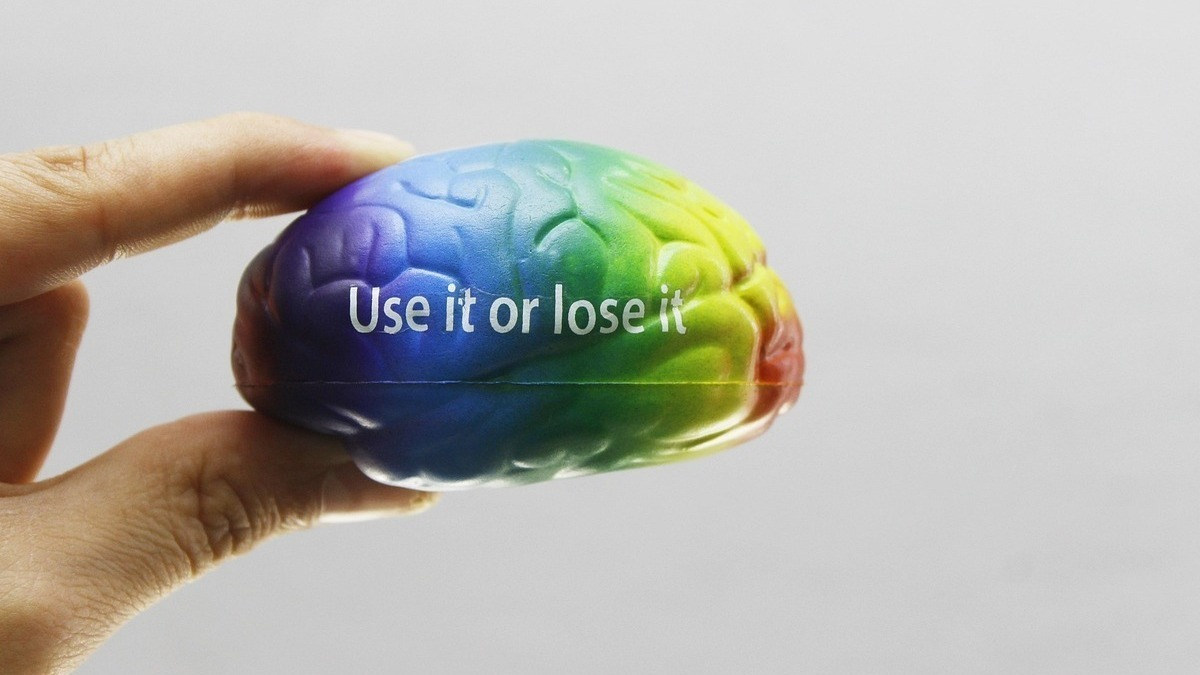

As a pharmacist, I value interventions that are biologically plausible and clinically useful. Calorie reduction, when done safely, is one of the most researched strategies for slowing features of brain aging. Below is a clear explanation of what brain aging is, what accelerates it, how calorie control protects the brain, and what human and animal studies show.
What Is Brain Aging?
Brain aging is the gradual decline in memory, processing speed, attention, and problem-solving abilities. On a cellular level, the brain faces oxidative damage, chronic inflammation, reduced mitochondrial energy production, and slower clearance of toxic proteins. These changes weaken neuroplasticity, the brain’s ability to form and maintain healthy connections.
According to research published in several neuroscience journals, these biochemical shifts are the foundation of cognitive aging, even in otherwise healthy adults.
What Accelerates Brain Aging
Several everyday factors speed up this natural process,
• Chronic stress increases cortisol, which can damage the hippocampus, the brain’s memory center.
• Diets high in sugar and unhealthy fats increase inflammation.
• Poor sleep slows down the brain’s glymphatic system, which removes metabolic waste.
• Sedentary lifestyle reduces blood flow to the brain.
• Dehydration affects neurotransmission and mental clarity.
Multiple studies on cognitive decline highlight these contributors as major accelerators of aging related brain changes.
How Calorie Reduction Protects the Brain
Calorie reduction, not starvation, but moderate reduction, activates protective biological pathways.
1. Boosts cellular cleanup
Several cellular biology studies show that lower calorie intake activates autophagy, the process in which cells remove damaged proteins. This is essential for keeping neurons healthy and preventing toxic build-up.
2. Lowers oxidative stress and inflammation
Research in metabolic and aging journals demonstrates that calorie restriction lowers inflammatory markers and oxidative stress, two major drivers of neuronal aging.
3. Improves mitochondrial function
Studies consistently report better mitochondrial efficiency during calorie restriction, meaning neurons produce energy more effectively.
4. Increases BDNF
According to experiments published in neurobiology research, calorie reduction increases brain-derived neurotrophic factor (BDNF), a key molecule for learning, memory, and neuron survival.
5. Encourages metabolic switching
Calorie reduction prompts the body to use ketones as an alternative fuel.
Neuroscience studies describe ketones as efficient, anti-inflammatory energy sources that help stabilize neural networks.
These mechanisms explain why calorie control consistently shows neuroprotective benefits across multiple species.
Human and Animal Evidence
• Human studies
A well-known clinical trial on older adults found that moderate calorie restriction improved memory performance.
According to the researchers, even short-term reduction created measurable cognitive benefits.
• Animal studies
Extensive work in rodent and primate models shows that calorie restriction preserves memory, prevents structural brain changes, and enhances synaptic plasticity.
According to primate research, calorie restriction even slows some forms of brain atrophy.
Complex findings
Some primate studies show mixed outcomes. While calorie restriction improved lifespan and slowed certain aging processes, its effects on grey matter varied by brain region. This suggests that timing, diet composition, and degree of restriction play a role.
Practical Considerations (From a Pharmacist’s Perspective)
• Moderation is essential
Most human studies use a 20–30% calorie reduction. The goal is improved cellular resilience without nutrient deficiency.
• Nutrient sufficiency matters
Research strongly emphasizes maintaining adequate protein, vitamins, and minerals to avoid muscle loss or anemia during calorie restriction.
• Individual factors
Studies warn that elderly individuals, underweight adults, and people with certain chronic conditions may need personalized plans. Calorie reduction isn’t suitable for everyone.
• Intermittent fasting as an alternative
According to studies on metabolic health, intermittent fasting triggers many of the same pathways, autophagy, ketone production, improved insulin sensitivity, although long term data is still developing.
• Medication adjustments
Dietary changes can affect drug absorption and glucose control. Pharmacology literature advises monitoring antihypertensives, antidiabetics, and anticoagulants when dietary patterns change significantly.
New and Emerging Science
New studies are exploring amino acid restriction, such as lowering methionine or isoleucine, which may mimic some benefits of calorie control.
Research in precision nutrition is also advancing rapidly, aiming to identify which individuals benefit most based on genetics and metabolic profiles.
Conclusion
Calorie reduction is a promising, scientifically supported strategy to slow brain aging. Research consistently shows that it lowers inflammation, boosts cellular cleanup, enhances mitochondrial health, and increases BDNF, all essential for maintaining cognitive vitality. At the same time, safe calorie reduction requires moderation, nutritional balance, and consideration of individual health status.
When done correctly, calorie aware eating offers a meaningful way to keep the brain sharper, more resilient, and biologically younger for longer.
FAQs
1. Is calorie reduction safe for everyone?
Moderate calorie reduction is safe for most adults, but older adults, underweight individuals, pregnant women, and those with chronic illnesses should consult a healthcare professional first.
2. Does cutting calories improve brain function immediately?
Metabolic benefits can appear quickly, but brain-related improvements, such as better memory and clarity, usually take several weeks to months.
3. Are intermittent fasting and calorie restriction the same?
They are different methods, but both activate similar repair pathways in the body that can benefit brain health.
4. Can calorie reduction cause weakness or nutrient deficiencies?
Yes, if calories are reduced too drastically or protein/micronutrients are inadequate. Balanced and moderate reduction is considered safe.
5. Can calorie restriction prevent dementia?
It cannot claim direct prevention, but research shows it reduces inflammation, oxidative stress, and metabolic dysfunction, all major contributors to dementia risk.
Disclaimer
This content is for educational purposes only. Always consult a healthcare professional before starting calorie reduction, intermittent fasting, or any dietary changes, especially if you have medical conditions or take prescription medications. Diet changes may require monitoring blood sugar, blood pressure, and medication adjustments.
Call to Action
If you’re looking to support long-term brain health, start with moderate calorie control, balanced nutrition, and an active lifestyle.
Follow for more pharmacist backed, science-based insights to help you make smarter health decisions.
Read more: https://pharmahealths.com/peanuts-benefits-in-winter/
References
1. Study on calorie restriction and improved memory performance in older adults published in Proceedings of the National Academy of Sciences (PNAS).
2. Research on autophagy, mitochondrial function, and neuronal protection from Nature Reviews Neuroscience and Cell Metabolism.
3. Evidence on increased BDNF levels with calorie restriction reported in Neuroscience & Biobehavioral Reviews.
4. Findings on ketone metabolism and brain aging from The Journal of Clinical Investigation and Frontiers in Aging Neuroscience.
5. Primate research on calorie restriction and brain structure published in Nature Communications and related aging journals.
6. Reviews on nutrition, inflammation, and cognitive decline from The Lancet Neurology and Ageing Research Reviews.