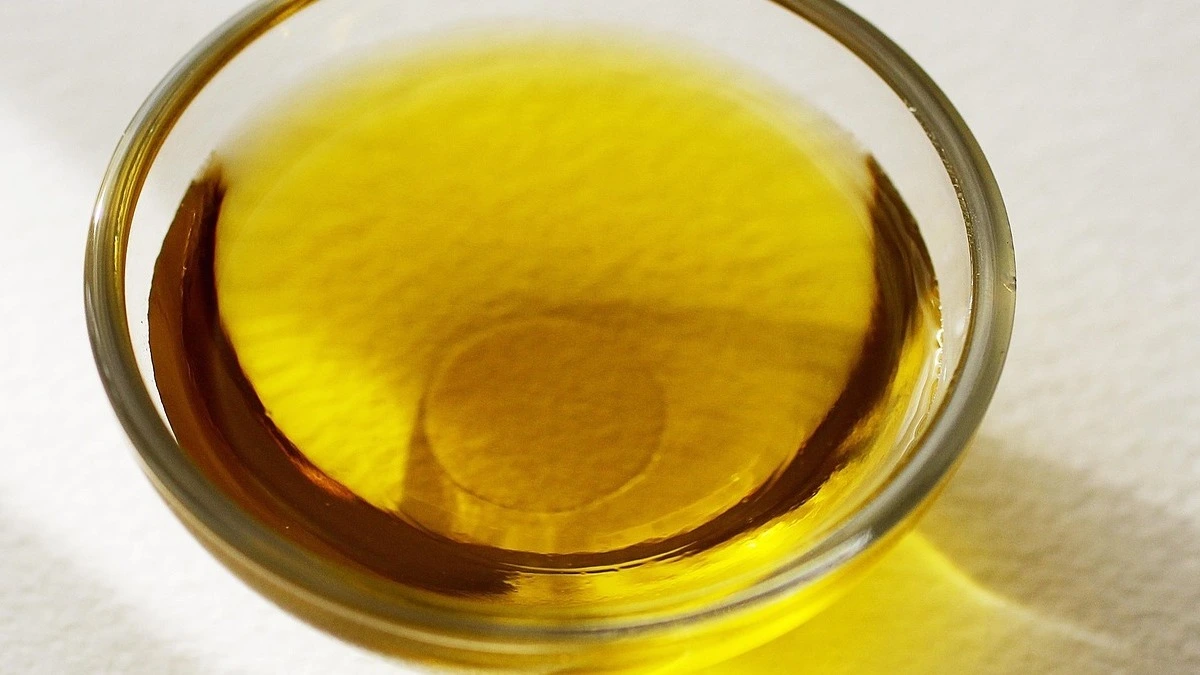

When managing diabetes, most people focus on sugar, carbohydrates, and medications. However, one silent dietary factor often overlooked is cooking oil. At first glance, this may seem confusing because oils contain zero carbohydrates and do not directly raise blood glucose levels. Yet, from a metabolic and clinical perspective, the type and quantity of oil used daily can significantly influence insulin resistance, inflammation, body weight, and cardiovascular risk.
In other words, the impact of cooking oil on diabetes is indirect but powerful.
Therefore, choosing the right oil is not about avoiding glucose spikes alone. Instead, it is about protecting long term metabolic health and reducing complications, especially heart disease, which diabetic patients are already more prone to.
Why Oil Choice Matters More Than You Think
Diabetes is not merely a condition of high blood sugar. Rather, it is a complex metabolic disorder involving chronic inflammation, impaired insulin signaling, and increased cardiovascular risk. Consequently, dietary fats play a crucial role in either supporting or worsening these pathways.
For instance, unsaturated fats are known to improve insulin sensitivity and reduce inflammation. On the other hand, excessive intake of saturated and trans fats may worsen insulin resistance and increase the risk of atherosclerosis.
As a result, oil selection becomes a preventive strategy, not just a cooking preference.
Extra Virgin Olive Oil (The Most Evidence-Backed Choice)
First and foremost, extra virgin olive oil is widely considered the gold standard for metabolic and cardiovascular health. It is rich in monounsaturated fatty acids and polyphenols, which help reduce oxidative stress and improve insulin sensitivity.
Moreover, dietary patterns that include olive oil, such as the Mediterranean diet, have consistently shown better glycemic control and lower cardiovascular risk in individuals with type 2 diabetes.
From a practical standpoint, olive oil is best used for,
• Salad dressings
• Light sauteing
• Finishing cooked meals
Importantly, using it at low to moderate heat helps preserve its antioxidant compounds.
Mustard Oil (A Culturally Relevant but Moderate Option)
Meanwhile, mustard oil is commonly used in South Asian households and offers a favorable fatty acid profile, including monounsaturated fats and omega-3 fatty acids. These components may support anti-inflammatory pathways and metabolic balance.
However, concerns about erucic acid and heart health have been widely discussed. Scientifically speaking, the harmful effects observed in early research were based on extremely high doses in animal models, not typical human dietary intake.
Still, because diabetic patients already have elevated cardiovascular risk, moderation is essential. Instead of relying exclusively on mustard oil, a diversified oil strategy is metabolically safer.
Rice Bran Oil (An Underrated Cardiometabolic Supporter)
In addition, rice bran oil is gaining attention due to its antioxidant compound, oryzanol, which may help improve cholesterol levels and metabolic parameters. Its high smoke point also makes it suitable for high temperature cooking without excessive oxidation.
Consequently, it can be a practical alternative for individuals who frequently cook at higher heat.
Canola Oil (A Heart Friendly Alternative)
Similarly, canola oil contains low saturated fat and beneficial omega-3 fatty acids. When used in place of saturated fats like butter or hydrogenated oils, it may help improve lipid profiles and insulin sensitivity.
Thus, it becomes a reasonable option for everyday cooking, especially for individuals focusing on heart health alongside diabetes control.
Oils Diabetic Patients Should Limit
On the contrary, not all oils are metabolically supportive. Some oils can silently worsen insulin resistance and cardiovascular risk when used excessively.
These include,
• Hydrogenated oils (vanaspati or banaspati and trans fats)
• Reused frying oil
• Excess palm oil
• Excess coconut oil in high quantities
Notably, repeatedly heated oils produce oxidative compounds that promote inflammation and vascular damage. Over time, this may contribute to poor glycemic control and increased heart complications.
Quantity (The Most Overlooked Factor)
Equally important, even the healthiest oil remains calorie-dense. One tablespoon contains approximately 120 calories. Therefore, excessive consumption can lead to weight gain, which directly worsens insulin resistance.
From a clinical nutrition perspective, moderation is more impactful than perfection. Limiting visible oil intake to around 2–3 teaspoons per day can significantly support metabolic balance.
In fact, many patients focus on switching oils but overlook portion control, which is a much stronger determinant of long-term outcomes.
Cold Pressed vs Refined Oils (Does Processing Matter?)
Furthermore, the method of oil processing also influences health effects. Cold pressed oils retain more natural antioxidants and bioactive compounds, which help reduce oxidative stress. In contrast, highly refined oils may lose some beneficial nutrients during processing.
Nevertheless, refined oils often have higher heat stability. Hence, a balanced approach works best,
• Cold pressed oils for raw or low heat use
• Stable oils for high heat cooking
This combination ensures both nutritional value and cooking safety.
The Smart Strategy Oil Rotation for Better Diabetes Management
Instead of relying on a single oil, rotating oils can provide a broader spectrum of beneficial fatty acids. For example,
• Olive oil for salads and finishing
• Mustard or groundnut oil for traditional cooking
• Rice bran or canola oil for high-heat use
As a result, this diversified intake supports both insulin sensitivity and cardiovascular protection.
A Pharmacist’s Final Clinical Perspective
In real world practice, patients often ask whether a specific oil can “control” diabetes. Scientifically, no single oil can regulate blood sugar on its own. Diabetes management depends on total dietary pattern, physical activity, medication adherence, and weight control.
However, the wrong oil habits, especially deep frying, excessive oil use, and trans-fat consumption, can silently worsen insulin resistance and heart risk over time.
Therefore, the goal is not to eliminate oil but to use it wisely, in moderate amounts, and with a focus on unsaturated fat sources.
Final Recommendation for Diabetic Patients
To support both blood sugar control and heart health,
• Prefer extra virgin olive oil as the primary oil
• Use mustard oil in moderation, especially in traditional diets
• Consider rice bran or canola oil for high-heat cooking
• Strictly avoid trans fats and repeatedly heated oils
• Most importantly, control total daily oil intake
Conclusion
Ultimately, the best cooking oil for diabetic patients is one that supports insulin sensitivity, reduces inflammation, and protects cardiovascular health. While oils do not directly raise blood glucose, their long-term metabolic effects are highly significant.
With mindful selection, portion control, and balanced dietary habits, cooking oil can shift from being a hidden metabolic risk to a supportive component of diabetes care.
FAQs
1. Which cooking oil is best for diabetic patients?
Extra virgin olive oil is the most evidence backed option because it contains monounsaturated fats and polyphenols that support insulin sensitivity and reduce inflammation. However, a balanced approach that includes olive oil for low heat use and stable oils like rice bran or canola oil for regular cooking is often more practical and metabolically supportive.
2. Can mustard oil increase heart risk in diabetic patients?
Mustard oil can be used in moderation. It contains beneficial unsaturated fats and omega-3 fatty acids that support metabolic health. The concern about erucic acid mainly comes from high dose animal studies, not typical dietary intake. For diabetic individuals already prone to heart disease, moderation and oil rotation are safer strategies than exclusive long-term use of one oil.
3. Does cooking oil raise blood sugar levels directly?
No, oils do not contain carbohydrates and do not directly increase blood glucose. However, excessive oil intake can lead to weight gain and worsen insulin resistance, which indirectly affects long term glycemic control.
4. How much oil should a diabetic patient consume daily?
Moderation is crucial. Generally, limiting visible oil intake to about 2–3 teaspoons per day helps support weight control, insulin sensitivity, and cardiovascular health.
5. Are refined oils harmful for diabetes?
Refined oils are not inherently harmful, but they may lose some antioxidants during processing. A balanced approach works best, using cold-pressed oils for salads and low-heat cooking, and heat stable oils like rice bran or canola oil for higher temperatures.
6. Which oils should diabetic patients avoid or limit?
Hydrogenated oils (vanaspati), trans fats, repeatedly heated frying oil, and excessive saturated fat rich oils like palm oil should be limited. These fats promote inflammation, oxidative stress, and increased cardiovascular risk.
7. Is oil rotation beneficial for diabetes management?
Yes, Rotating oils such as olive oil, mustard oil, and rice bran oil provides a diverse range of fatty acids and antioxidants, which supports metabolic balance and heart health.
Disclaimer
This content is for educational purposes only and does not replace professional medical advice. Individuals with diabetes or heart conditions should consult their healthcare provider or registered dietitian for personalized dietary recommendations.
Call to Action
Managing diabetes is not just about reducing sugar intake, it is about making smarter everyday dietary choices, including the type and quantity of cooking oil used. By choosing heart friendly oils, controlling portions, and avoiding trans fats and repeatedly heated oils, you can support better insulin sensitivity and long-term metabolic health. For personalized dietary guidance, consult a healthcare professional or registered dietitian to align oil selection with your overall diabetes and cardiovascular care plan.
References
• American Heart Association, Relevance: Emphasizes replacing saturated fats with unsaturated fats to improve heart and metabolic health.
• Mediterranean Diet Research (clinical nutrition literature), Relevance: Shows olive oil–rich dietary patterns improve glycemic control and reduce cardiovascular risk in type 2 diabetes.
• Lipid and Metabolic Studies on Unsaturated Fats, Relevance: Demonstrate improved insulin sensitivity and reduced inflammation with monounsaturated and polyunsaturated fat intake.
• Nutritional Research on Oryzanol in Rice Bran Oil, Relevance: Indicates potential benefits in cholesterol management and metabolic parameters.
• Clinical Nutrition Guidelines on Trans Fats and Oxidized Oils, Relevance: Link hydrogenated and repeatedly heated oils with inflammation, insulin resistance, and cardiovascular risk.