
Written by Aisha Saleem, Pharmacist & Health Writer at PharmaHealths.com
If you take antihistamines regularly for allergies, you may already know from my earlier articles that long term use can influence bone metabolism. The natural next question I get asked is what to actually do about it. As a pharmacist, calcium and vitamin D supplementation is the conversation I have most often with patients on chronic antihistamine therapy, and I want to walk you through how to choose the right supplement, how much you actually need, and what to watch out for.
Why Do Calcium and Vitamin D Matter During Antihistamine Therapy?
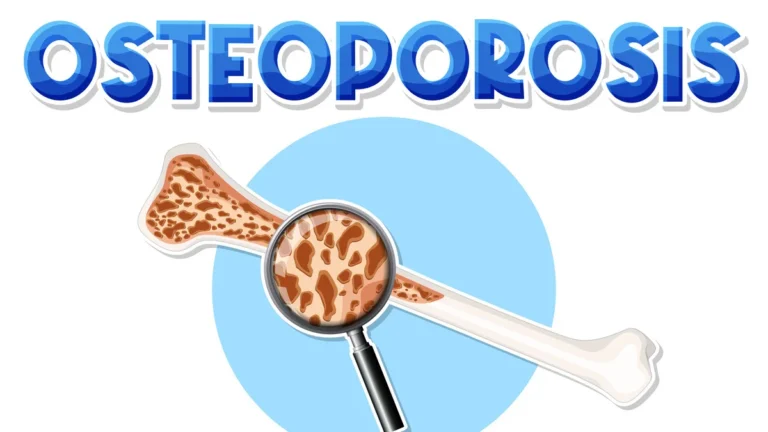
Calcium and vitamin D matter during antihistamine therapy because they directly support the bone remodeling process that chronic histamine exposure and allergic inflammation can disrupt. As I covered in my article on histamine and osteoporosis, histamine stimulates osteoclast activity, which breaks down bone, while H1 antihistaminesa offer a time limited protective effect in available research rather than a permanent benefit Once that window closes, ensuring adequate calcium and vitamin D intake becomes one of the most practical ways to support ongoing bone health.
Vitamin D plays a particularly important role here because it governs how well your body actually absorbs calcium from your diet or supplements. Without sufficient vitamin D, even a calcium rich diet will not translate into strong bones.
How Much Calcium and Vitamin D Do You Actually Need?
Most adults need between 700 and 1200 milligrams of calcium daily, with requirements increasing for postmenopausal women and adults over 70. The National Osteoporosis Society recommends daily calcium intake of around 700 milligrams for the general adult population, rising to 1200 milligrams for postmenopausal women not on hormone replacement therapy and older adults at higher fracture risk.
For vitamin D, the recommended daily intake for most adults sits between 600 and 800 international units, though many clinicians now suggest higher amounts, particularly during autumn and winter months when sun exposure is limited. According to guidance from Public Health England, adults should consider a daily supplement of 400 international units of vitamin D during the months when sunlight exposure is reduced, since this is when deficiency becomes most common.
If you are on long term antihistamine therapy, particularly if you also have limited sun exposure or a diet low in dairy and fortified foods, your actual requirement may sit toward the higher end of these ranges. This is where an individualized discussion with your pharmacist or doctor becomes especially important.
Calcium Carbonate or Calcium Citrate, Which Is Better?
Calcium citrate is generally better absorbed than calcium carbonate, particularly for people with reduced stomach acid or those taking it without food. Calcium carbonate requires stomach acid for proper absorption and is best taken with meals, while calcium citrate can be taken with or without food and is absorbed more consistently across different digestive conditions. Research published in the Journal of Clinical Endocrinology and Metabolism found that calcium citrate showed superior bioavailability compared with calcium carbonate, particularly in older adults and those on medications that reduce stomach acid.
Calcium carbonate does have an advantage in that it contains a higher percentage of elemental calcium per tablet, meaning you often need fewer tablets to meet your daily target. For most healthy adults without digestive issues, either form works well, but if you have a history of acid reflux medication use or reduced stomach acid, calcium citrate is usually the better choice.
Vitamin D3 or Vitamin D2, Which Should You Choose?
Vitamin D3 is generally the preferred form for supplementation because it raises blood vitamin D levels more effectively and for longer than vitamin D2. Vitamin D3, also called cholecalciferol, is the form naturally produced by your skin in response to sunlight, while vitamin D2, or ergocalciferol, comes from plant sources and is processed somewhat differently by the body. A study published in The American Journal of Clinical Nutrition found that vitamin D3 supplementation produced more sustained increases in serum vitamin D levels compared with equivalent doses of vitamin D2.
For most people choosing a supplement specifically to support bone health alongside antihistamine therapy, vitamin D3 is the more reliable option.
Is It Safe to Take Calcium and Vitamin D Supplements with Antihistamines?
Yes, calcium and vitamin D supplements are generally safe to take alongside antihistamines, with no significant interaction between them. There is no established clinically significant interaction between cetirizine, loratadine, fexofenadine, or other common second-generation antihistamines and standard calcium or vitamin D supplementation. As always, spacing supplements a few hours apart from other medications is sensible general practice to minimize any theoretical absorption interference, though this is more relevant for certain antibiotics and thyroid medications than for antihistamines.
What Are the Risks of Taking Too Much Calcium or Vitamin D?
Excessive calcium or vitamin D intake can cause harm, so more is not automatically better. High dose calcium supplementation, particularly above 2000 milligrams daily, has been associated with an increased risk of kidney stones in susceptible individuals. Maintaining good hydration alongside calcium intake can help reduce this risk. Research reviewed by the National Institutes of Health has also raised questions about excessive calcium supplementation and cardiovascular risk, although the evidence here remains mixed and is still debated within the clinical community.
Vitamin D toxicity is less common but can occur with very high dose supplementation over extended periods, typically above 4000 international units daily without medical supervision. Symptoms of vitamin D toxicity include nausea, weakness, and in severe cases elevated blood calcium levels. Staying within recommended daily ranges, and only exceeding them under medical guidance, is the safest approach.
Who Should Be Especially Mindful of Calcium and Vitamin D Intake?
Postmenopausal women, older adults, children with chronic allergic conditions on long term medication, and anyone on long term corticosteroid therapy for severe allergies should pay particular attention to calcium and vitamin D intake. These groups carry compounded bone health risk, whether from declining oestrogen, age related bone loss, ongoing skeletal development, or medication related bone density effects. If you fall into any of these categories and are also on long term antihistamine therapy, a conversation with your doctor about baseline vitamin D testing may be worthwhile before starting supplementation.
How Should You Choose a Supplement That Actually Works?
Choosing an effective calcium and vitamin D supplement comes down to checking the form, the dose, and your individual absorption needs. Look for calcium citrate if you have any digestive concerns, confirm the supplement contains vitamin D3 rather than D2, and check that the elemental calcium content matches what you actually need rather than just the total tablet weight. Combination supplements that pair calcium with vitamin D in a single tablet are convenient and widely available, but always check the actual milligram and international unit content rather than assuming all combination products are equivalent.
FAQs
Q1. How much calcium should I take daily while on antihistamines?
Most adults need around 700 to 1200 milligrams of calcium daily, with higher requirements for postmenopausal women and adults over 70. There is no specific increased requirement from antihistamine use itself, but supporting bone health becomes more relevant during long term therapy.
Q2. Is calcium citrate or calcium carbonate better absorbed?
Calcium citrate is generally better absorbed, particularly for people with reduced stomach acid or those taking supplements without food. Calcium carbonate requires food and stomach acid for proper absorption.
Q3. Should I take vitamin D3 or vitamin D2?
Vitamin D3 is the preferred form because it raises and sustains blood vitamin D levels more effectively than vitamin D2. Most supplements marketed for bone health use vitamin D3.
Q4. Can I take calcium and vitamin D with cetirizine or other antihistamines?
Yes, there is no significant interaction between standard calcium and vitamin D supplements and common antihistamines like cetirizine, loratadine, or fexofenadine.
Q5. Can too much calcium be harmful?
Yes, excessive calcium intake, particularly above 2000 milligrams daily, has been linked to a higher risk of kidney stones and has raised some cardiovascular concerns in research, though evidence remains mixed.
Q6. Who should be most careful about calcium and vitamin D intake during antihistamine therapy?
Postmenopausal women, older adults, children with chronic allergic conditions, and anyone on long term corticosteroids for allergies should pay particular attention to calcium and vitamin D intake and discuss individual needs with their doctor.
Q7. What is the safest way to choose a calcium and vitamin D supplement?
Choose calcium citrate if you have digestive concerns, confirm the supplement uses vitamin D3, and check the actual elemental calcium and vitamin D content rather than relying on tablet size alone.
Call to Action
If you are managing chronic allergies and want to better understand how to protect your bone health alongside your medication, I have more guidance for you on pharmahealths.com. My articles on histamine and osteoporosis and cetirizine long term side effects go deeper into the science behind why these matters. If you are taking antihistamines long term, supporting your bone health is not optional, it is part of preventive care Looking after your bones does not need to be complicated, just consistent, and I hope this guide gives you a practical starting point.
Disclaimer
This article is intended for informational purposes only and does not constitute medical advice. Always consult a qualified healthcare professional before starting any new supplement, particularly if you have existing health conditions or take other medications. Individual health circumstances vary, and nothing in this article should replace personalized clinical guidance.
References
• The American Journal of Medicine, antihistamines and bone metabolism
• National Osteoporosis Society, calcium intake recommendations
• Public Health England, vitamin D supplementation guidance
• Journal of Clinical Endocrinology and Metabolism, calcium absorption research
• The American Journal of Clinical Nutrition, vitamin D3 vs D2 effectiveness
• National Institutes of Health, calcium safety and risk review