
Omega-3 fatty acids have moved far beyond supplement shelves. Today, they sit at the center of conversations around heart health, brain performance, inflammation, and metabolic balance. Yet, despite their popularity, confusion remains about the best food sources, the role of seeds, and a surprisingly neglected factor, hydration.
As a pharmacist, I view omega-3 not as a trend, but as a biologically active nutrient whose benefits depend heavily on how and with what it is consumed. To understand this fully, we must look at foods, seeds, and the quiet but critical role water plays in omega-3 function.
Understanding Omega-3 Fatty Acids: A Necessary Foundation
Before discussing food sources, clarity matters.
Omega-3 fatty acids are polyunsaturated fats, and three forms dominate human health,
• ALA (alpha-linolenic acid), primarily from plant foods and seeds
• EPA (eicosapentaenoic acid), mainly from marine sources
• DHA (docosahexaenoic acid), essential for brain and eye structure
While ALA is essential and must come from the diet, the body converts only a small fraction into EPA and DHA. Therefore, source quality and variety become crucial, especially for long term health.
Seeds: Nature’s Most Concentrated Plant Omega-3 Sources
Among plant foods, seeds stand out, not marginally, but dramatically.
To begin with, chia seeds are one of the richest natural sources of ALA omega-3. Even a small daily amount delivers a meaningful dose. More importantly, chia seeds absorb water and form a gel like structure, slowing digestion.
As a result, omega-3 absorption becomes steadier, blood sugar spikes are blunted, and satiety improves. This makes chia particularly useful for metabolic and cardiovascular nutrition strategies.
Flaxseeds (Linseeds)
Similarly, flaxseeds are omega-3 powerhouses. However, form matters. Ground flaxseed is significantly more bioavailable than whole seeds, which often pass through the digestive system intact.
From a clinical perspective, flaxseed supports lipid balance, gut health, and low-grade inflammation. It is often recommended alongside dietary interventions for cardiovascular risk reduction.
Hemp Seeds
While hemp seeds contain less omega-3 than chia or flax, they offer a favorable omega-6 to omega-3 ratio, something modern diets frequently lack. Consequently, hemp seeds contribute to overall fatty acid balance rather than sheer omega-3 load.
Moving Beyond Seeds, Why Marine Foods Matter
Although plant seeds provide essential ALA, they do not fully replace marine omega-3 sources.
Fatty Fish, The Most Efficient Omega-3 Delivery
Fish such as sardines, mackerel, salmon, and anchovies provide EPA and DHA in their active forms. This means the body can use them immediately, no conversion required.
Therefore, for individuals with inflammatory conditions, cardiovascular disease, or high cognitive demand, marine omega-3s offer stronger and faster physiological effects.
Algae, The Original Omega-3 Source
Interestingly, fish do not produce omega-3s themselves. They accumulate them by consuming algae. This makes algal oil a valuable plant-based source of DHA and EPA, especially for vegetarians and vegans seeking evidence-based alternatives.
Nuts and Oils: Helpful, but Not Primary
At this point, it’s worth addressing commonly mentioned foods.
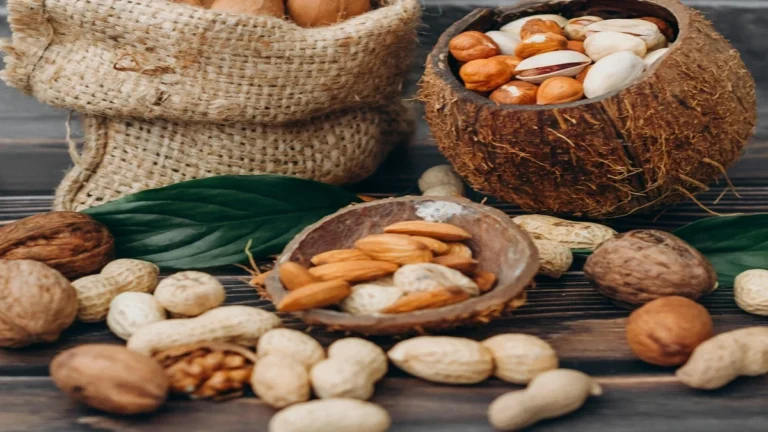
Walnuts contain modest ALA and beneficial antioxidants, but their omega-3 density is lower than seeds. Likewise, oils such as canola or soybean oil provide small amounts of ALA but are often dominated by omega-6 fats.
When omega-6 intake overwhelms omega-3, inflammatory pathways may be favored. Thus, these foods should complement, not replace, seed and marine sources.
Clearing the Confusion, Is Water an Omega-3 Fatty Acid?
This claim circulates online and deserves a clear answer.
Water does not contain omega-3 fatty acids. Biochemically, this is incorrect.
However, dismissing water entirely would miss a crucial physiological truth.
Why Water Is Essential for Omega-3 Function
Although water does not supply omega-3, it enables omega-3 to work effectively.
Here’s why hydration matters,
• Omega-3 transport occurs through blood plasma, which is water based
• Fat digestion relies on bile flow, which worsens with dehydration
• Cell membrane fluidity depends on both fats and water balance
• Dehydration thickens blood, impairing nutrient delivery
In practical terms, even a nutrient rich diet underperforms when hydration is poor. Omega-3 is the nutrient, but water is the system that delivers it.
Seeds and Water, A Smart Physiological Pairing
This is where theory meets practice.
Soaking chia or flax seeds in water is not a wellness trend; it’s applied digestion science.
When seeds hydrate,
• Fiber expands and improves bowel regularity
• Fat digestion becomes more controlled
• Omega-3 absorption improves
• Satiety increases naturally
Consequently, this combination is particularly useful for individuals managing constipation, metabolic syndrome, or cardiovascular risk.
How Much Omega-3 Do We Actually Need?
From an evidence-based pharmacist perspective,
• ALA, approximately 1.1–1.6 g/day
• EPA + DHA, 250–500 mg/day for general health
This can be achieved through,
• 1–2 tablespoons of chia or ground flax daily
• Two servings of fatty fish weekly
• Adequate daily water intake
More is not better. Consistency and balance matter more than excess.
Safety and Practical Considerations
Despite their benefits, omega-3 foods require context,
• Excess seeds without water may cause bloating
• Fish sources should be low mercury
• Omega-3 supplements may interact with anticoagulants
• Whole foods generally outperform capsules for healthy adults
Nutrition works best when aligned with physiology, not hype.
The Pharmacist’s Bottom Line
Seeds like chia, flax, and hemp deliver powerful plant-based omega-3s. Fatty fish and algae provide direct EPA and DHA with proven clinical relevance. Yet none of these nutrients function optimally in a dehydrated body.
Water does not contain omega-3, but without water, omega-3 cannot fully protect the heart, brain, or cells.
In nutrition, synergy always beats shortcuts. Omega-3 is the signal. Water is the medium. Together, they support health at the cellular level, quietly, consistently, and scientifically.
FAQs
Q1. Which seeds provide the highest amount of omega-3 fatty acids?
Chia seeds and flaxseeds provide the highest amounts of plant-based omega-3 fatty acids in the form of ALA (alpha linolenic acid). Among seeds, chia seeds are one of the most concentrated sources, while ground flaxseeds offer better absorption than whole flax due to improved digestibility.
Q2. Are plant-based omega-3 sources as effective as fish omega-3?
Plant based sources provide ALA, which the body can convert into EPA and DHA, but the conversion rate is limited. Fatty fish and algae provide EPA and DHA directly, making them more efficient for brain, heart, and anti-inflammatory benefits. A balanced diet may include both plant and marine sources.
Q3. Does water contain omega-3 fatty acids, and why is hydration important?
Water does not contain omega-3 fatty acids. However, adequate hydration is essential for omega-3 digestion, transport in the bloodstream, and incorporation into cell membranes. Without proper hydration, the physiological benefits of omega-3 intake may be reduced.
Disclaimer
This article is for educational purposes only and does not replace medical advice. Individuals with medical conditions, those taking blood thinning medications, or pregnant and breastfeeding individuals should consult a qualified healthcare professional before making significant dietary or supplement changes.
Call to Action
For more pharmacist reviewed, evidence-based nutrition and health content, follow and explore our articles focused on separating nutrition science from misinformation, because informed choices build long term health.
References
• American Heart Association, Dietary omega-3 recommendations for cardiovascular health
• Nutrients (Journal), Role of ALA, EPA, and DHA in human physiology
• Journal of Lipid Research, Omega-3 absorption, transport, and metabolism
• Harvard T.H. Chan School of Public Health, Plant and marine omega-3 food sources