
Written by Aisha Saleem, Pharmacist & Health Writer at PharmaHealths.com
Last Updated: July 11, 2026
Are Kidney Beans Good for Diabetes Management?
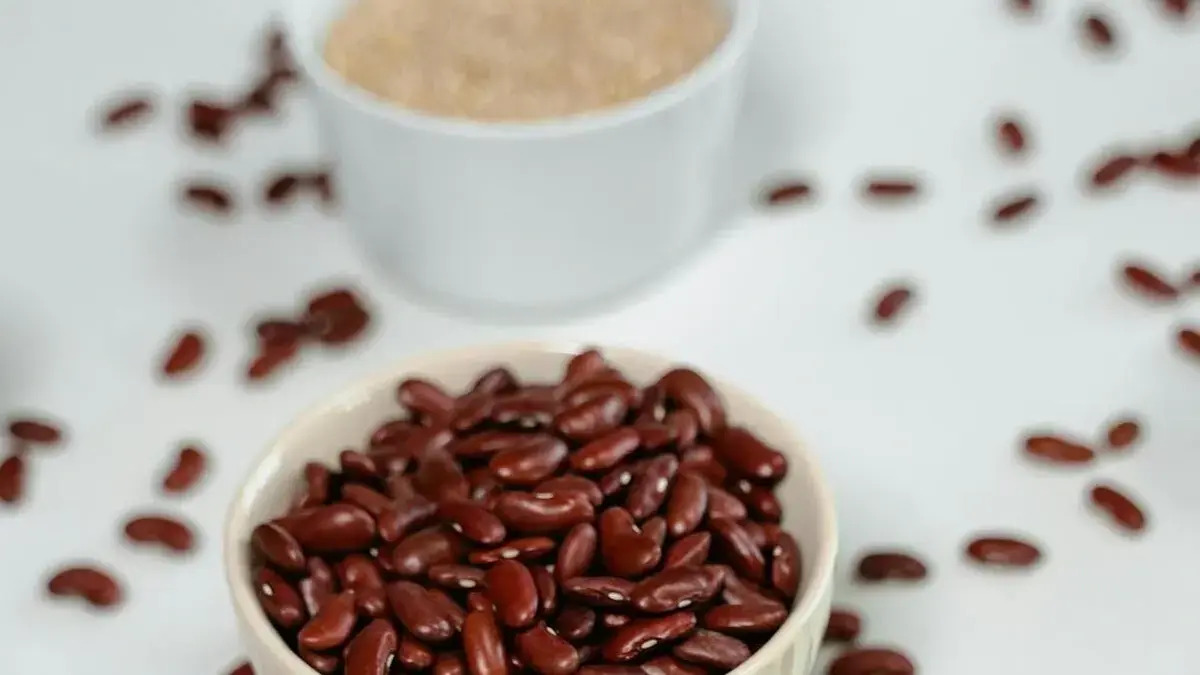
Yes, kidney beans, known as rajma or lal lobia in South Asian kitchens, are consistently helpful for diabetes management because they combine a low glycemic index with high fiber and plant protein, which together slow glucose absorption and reduce post meal blood sugar spikes. Both red kidney beans and white kidney beans (cannellini) work well for this purpose, though there are some real nutritional differences worth knowing.
A common question is whether red or white kidney beans are the better choice, so let’s go through what the evidence actually shows.
What Is the Glycemic Index of Kidney Beans?
Kidney beans typically have a glycemic index in the high 20s to low 30s, placing them firmly in the low GI category regardless of color. This means both red and white kidney beans release glucose into the bloodstream gradually rather than causing a sharp spike, which is exactly what you want when managing diabetes.
Even more importantly, kidney beans have a low glycemic load in typical serving sizes, meaning their real-world impact on blood sugar remains modest when eaten in balanced meals.
Any small variation between red and white beans in practice usually comes down to soaking time, cooking method, and what they’re eaten alongside, rather than an inherent difference in the bean itself.
Is Red Rajma or White Rajma Better for Blood Sugar Control?
Both varieties are excellent choices, but red kidney beans have a slight nutritional edge due to their higher antioxidant and fiber content. Red kidney beans contain more polyphenols and anthocyanin related compounds, the pigments responsible for their deep color, which help combat oxidative stress, something that tends to run higher in people with chronically elevated blood sugar.
Red beans also tend to provide marginally more fiber and magnesium than white kidney beans. Magnesium plays a well-established role here, since it’s involved in insulin signaling and glucose transport into cells. A meta-analysis of prospective cohort studies published in Diabetes Care found that higher dietary magnesium intake was associated with a meaningfully lower risk of developing type 2 diabetes, which supports magnesium rich foods like red kidney beans as a useful addition to a diabetes friendly diet.
White kidney beans aren’t far behind, though. They’re often easier to digest and have a milder flavor, which matters for people who find red beans cause more bloating or who simply prefer a softer texture in soups and salads.
How Do Kidney Beans Actually Help Control Blood Sugar?
Kidney beans help control blood sugar mainly through their combination of soluble fiber and plant protein, which slow gastric emptying and reduce the rate at which glucose enters the bloodstream after a meal. This steady release of glucose helps prevent sudden spikes and crashes, which is key for maintaining stable energy levels throughout the day.
This same fiber and protein combination also supports satiety, which helps with the weight management that often plays a role in type 2 diabetes control.
Is It Safe to Cook and Eat Kidney Beans Regularly?
Yes, properly cooked kidney beans are safe to eat regularly, but raw or undercooked kidney beans carry a real risk of food poisoning that’s worth knowing about. Raw kidney beans, particularly red ones, contain a natural toxin called phytohemagglutinin, and the FDA notes that eating even a small number of raw or improperly cooked beans can cause severe nausea, vomiting, and diarrhea within a few hours.
To destroy this toxin safely, I’d recommend soaking dried kidney beans for at least five hours, then boiling them thoroughly in fresh water rather than relying on a slow cooker on a low setting, since insufficient heat may not fully break down the toxin. Canned kidney beans go through a pressurized process that already removes this risk, so they’re a convenient and safe alternative if you’re short on time.
Which Kidney Beans Digest More Easily?
White kidney beans are generally considered easier to digest than red kidney beans, largely due to their milder fiber profile. Red kidney beans can cause more gas or bloating in some people if they aren’t soaked and cooked thoroughly, though proper preparation significantly reduces this issue for both varieties.
How Much Rajma Should a Diabetic Eat Per Day?
A typical diabetes-friendly serving is about half a cup of cooked kidney beans per meal, combined with vegetables, healthy fats, and a modest starch portion. This keeps the overall glycemic load of the meal balanced while still delivering the fiber and protein benefits kidney beans bring to the table.
Best Ways to Eat Rajma for Stable Blood Sugar
To get the most benefit from kidney beans without raising blood sugar too much, how you eat them matters,
• Pair rajma with high fiber vegetables like salad, spinach, or mixed sabzi
• Avoid large portions of white rice and instead use smaller portions or switch to brown rice
• Add healthy fats such as olive oil or yogurt to slow digestion further
• Keep portions moderate rather than overeating, even though rajma is healthy
Bringing It Together
Both red and white kidney beans are excellent, evidence-backed choices for diabetes management, and the difference between them isn’t dramatic. Red rajma has a slight edge for antioxidants, fiber, and magnesium, while white kidney beans offer gentler digestion and a milder flavor, so the right choice often comes down to personal tolerance and taste rather than one being clearly superior.
FAQs
Q1: Are kidney beans and rajma the same thing?
Yes, Rajma is the South Asian name for kidney beans, a legume from the Phaseolus vulgaris plant, named for its resemblance in shape and color to a kidney.
Q2: Are red kidney beans good for type 2 diabetes?
Yes, Red kidney beans are a good source of fiber, protein, and antioxidants, and their low glycemic index makes them a suitable addition to a type 2 diabetes meal plan in moderate portions.
Q3: Which beans are okay for a type 2 diabetic to eat?
Most beans, including kidney beans, black beans, pinto beans, and chickpeas, are good options for type 2 diabetics due to their fiber, protein, and low glycemic index.
Q4: Is it dangerous to eat undercooked kidney beans?
Yes, Raw or undercooked kidney beans contain a natural toxin that can cause severe nausea, vomiting, and diarrhea, so thorough soaking and boiling, or using canned beans, is important for safety.
Q5: How much rajma can a diabetic eat per day?
About half a cup of cooked kidney beans per meal is a reasonable portion for most people with diabetes, paired with vegetables and controlled starch.
Q6: Is white kidney bean easier to digest than red kidney bean?
Yes, generally. White kidney beans tend to have a milder fiber profile and are often gentler on sensitive digestive systems compared to red kidney beans.
Call to Action
If you’re building a broader high-fiber approach to blood sugar management, I’ve put together a complete guide on the Best High Fiber Foods for Diabetes, along with articles on chickpeas, lentils, whole wheat versus refined flour, oats, and mixed flour atta blends for diabetes management.
Disclaimer
This article is for educational purposes only and does not replace professional medical advice. Always consult your physician, dietitian, or pharmacist before making significant dietary changes, especially if you take glucose-lowering medication or insulin.
References
• Diabetes Care — Dong et al., Magnesium Intake and Risk of Type 2 Diabetes: Meta-Analysis of Prospective Cohort Studies
• FDA — Natural Toxins in Food