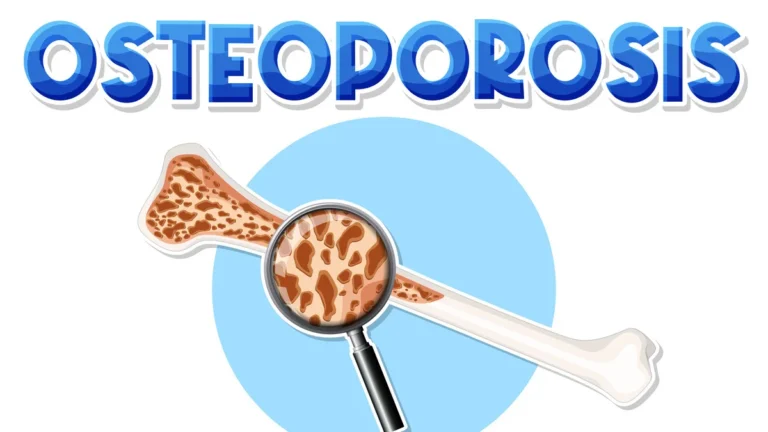


When bone health is discussed, calcium usually takes center stage. While calcium is essential, focusing on it alone tells only half the story. Growing scientific evidence shows that adequate protein intake is a critical but often overlooked factor in bone strength, muscle preservation, and fracture recovery.
In fact, osteoporosis is not just a disease of weak bones, it is also closely linked to muscle loss, balance issues, and frailty, all of which are strongly influenced by protein nutrition.
Why Protein Matters for Bones
Bones are living tissues, constantly being broken down and rebuilt. Protein provides the amino acids needed to form collagen, the structural framework on which minerals like calcium and phosphorus are deposited. Without enough protein, this framework weakens, even if calcium intake is adequate.
Research published in the Journal of Bone and Mineral Research shows that higher protein intake is associated with greater bone mineral density, particularly in older adults. This highlights an important transition in understanding: minerals harden bone, but protein gives it structure.
Protein, Muscle, and Fracture Risk
Bone health cannot be separated from muscle health. Muscles protect bones by improving balance, coordination, and shock absorption during falls. Adequate protein intake helps preserve muscle mass and strength, especially with aging.
Studies in The American Journal of Clinical Nutrition demonstrate that older adults consuming sufficient protein have lower rates of falls and fractures, even when bone density differences are modest. This suggests that protein’s benefits extend beyond bones alone to overall physical resilience.
Common Misconception (High Protein Harms Bones)
One persistent myth is that high protein intake weakens bones by increasing calcium loss in urine. Earlier studies fueled this concern, but newer research paints a different picture.
More recent evidence shows that although protein slightly increases calcium excretion, it also enhances calcium absorption from the gut. When calcium intake is adequate, higher protein diets are either neutral or beneficial for bone health.
Reviews in the BMJ and Osteoporosis International confirm that protein does not increase fracture risk and may reduce it in older populations.
Protein and Osteoporosis Recovery
Recovery after fractures places increased demands on the body. Protein is essential for wound healing, muscle repair, and bone remodeling. Clinical studies show that patients with hip fractures who receive adequate protein recover faster, maintain more muscle mass, and experience fewer complications.
This evidence reinforces the idea that protein is not optional support, it is foundational during bone healing and rehabilitation.
How Much Protein Do We Actually Need?
Most adults need at least 0.8 grams of protein per kilogram of body weight per day to meet basic needs. However, evidence suggests that older adults and individuals at risk of osteoporosis may benefit from higher intakes, around 1.0–1.2 g/kg/day, particularly when combined with adequate calcium and vitamin D.
Spreading protein intake evenly across meals further improves muscle and bone outcomes compared to consuming most protein at one time.
Food Sources That Support Bone Health
Protein rich foods that also provide bone supportive nutrients include dairy products, eggs, fish, legumes, nuts, seeds, and lean meats. Many of these foods supply calcium, vitamin D, magnesium, and phosphorus, creating a synergistic effect for bone strength.
Plant-based proteins can also support bone health when total protein intake and mineral intake are sufficient.
The Bigger Picture in Osteoporosis Prevention
Osteoporosis education has traditionally emphasized calcium and vitamin D, but this narrow focus misses a key element. Protein supports bone structure, muscle strength, balance, and recovery, all of which determine fracture risk in real life.
Modern evidence supports a more integrated approach: adequate protein, sufficient calcium, vitamin D, and regular weight-bearing activity together offer the strongest protection against bone loss and fractures.
The Bottom Line
Protein is not the enemy of bone health it is one of its strongest allies. Ignoring protein intake while focusing solely on calcium may leave bones structurally weaker and muscles unprotected.
Reframing osteoporosis education to include protein alongside minerals reflects what science now clearly shows: strong bones need strong nutrition, not just strong minerals.
FAQs
Q1. Can eating more protein really help prevent osteoporosis?
Adequate protein intake supports bone structure and muscle strength, both of which influence fracture risk. Research shows protein helps improve bone mineral density and reduces falls by preserving muscle mass, especially in older adults.
Q2. Is high protein intake harmful to bones?
Current evidence does not support this concern. When calcium intake is sufficient, higher protein consumption does not weaken bones and may actually support bone health.
Q3. How does protein affect fracture recovery?
Protein provides essential building blocks for tissue repair. Studies show that people recovering from fractures heal better and maintain more muscle mass when protein intake is adequate.
Q4. How much protein is generally recommended for bone health?
Most adults need at least 0.8 g/kg/day, while older adults or those at risk of osteoporosis may benefit from slightly higher intakes, according to research.
Q5. Are plant proteins effective for bone health?
Yes, Plant-based proteins can support bone health when total protein intake is adequate and diets include enough calcium, vitamin D, and other minerals.
Disclaimer
This article is for educational purposes only and does not provide medical advice, diagnosis, or treatment. Nutritional needs vary between individuals. People with osteoporosis, kidney disease, or other health conditions should consult a qualified healthcare professional before making significant dietary changes.
Call to Action
Bone health is more than calcium alone. A balanced diet that includes adequate protein, essential minerals, and healthy movement can make a meaningful difference over time. Rely on evidence, not myths, when building a strategy for lifelong bone strength.
References
• Journal of Bone and Mineral Research, Protein intake and bone mineral density associations
• The American Journal of Clinical Nutrition, Protein, muscle mass, and fracture risk in older adults
• Osteoporosis International, Reviews on dietary protein and skeletal health
• BMJ, Evidence-based analysis of protein intake and calcium balance